Tribes Gorilla Trekking Tours: The Ultimate Guide to Cultural Tours in Uganda
Welcome to Tribes Gorilla Trekking Tours: Your Gateway to Uganda's Cultural Soul
Uganda is not merely a destination—it is a living tapestry where ancient cultures, modern aspirations, and pristine nature intertwine in remarkable ways. While the world knows Uganda as the home of mountain gorillas, the true soul of the Pearl of Africa lies in its people: 56 distinct tribes, each with unique traditions, languages, dances, and ways of life that have endured for centuries.
At Tribes Gorilla Trekking Tours, we are Uganda’s foremost ecotourism operator, recognized for top-rated gorilla trekking in Bwindi and Mgahinga, combined with authentic cultural immersion experiences that transform travelers into witnesses of both nature’s majesty and cultural resilience. Our mission is simple: to connect you with the heartbeat of Uganda—its people—while supporting the communities who have stewarded these lands for generations.

Years of Experience
Why Uganda Is Africa's Premier Cultural Destination
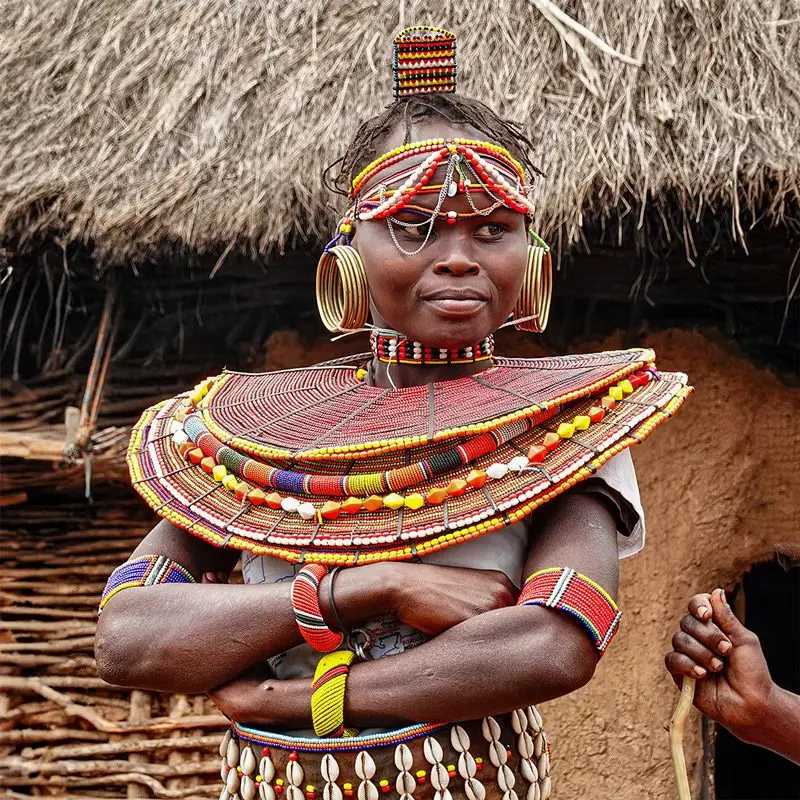
Uganda boasts more than 50 indigenous languages belonging to two distinct linguistic groups, creating an unparalleled cultural mosaic of music, art, and handicrafts. From the Bantu peoples of the Central, West, South-west, and East to the Nilotic groups of the North, North-East, and North-West, Uganda is a one-stop center for a rich African cultural experience.
Many regions in Uganda have kingdoms—Buganda, Busoga, Bunyoro, and Toro—while other areas treasure their heritage of chiefdoms, all contributing to a nation that is remarkably hospitable and diverse. Travelers who engage with these cultures contribute directly to the well-being of communities and encourage conservation efforts
The Tribes You Will Encounter
The Batwa: Keepers of the Forest
The Batwa are one of Africa’s oldest indigenous tribes, originally inhabiting the tropical rainforests of Bwindi and Mgahinga National Parks in southwestern Uganda. For thousands of years, they lived as hunter-gatherers, developing an intimate knowledge of the forest that remains unmatched today.
When Bwindi and Mgahinga were gazetted as national parks in 1991 to protect the endangered mountain gorillas, the Batwa were displaced from their ancestral lands. Today, through cultural tourism initiatives, the Batwa share their heritage with visitors while generating sustainable income.
Your Batwa Cultural Experience Includes:
A guided forest walk through the Buniga Community Forest Trail, where Batwa guides share stories of hunting small game, gathering wild honey, and building homes from leaves and branches
Fire-making without matches—a skill passed down over generations
Hunting demonstrations using traditional methods
Music and dance performances celebrating stories through rhythm
Participation in handicraft making, herbal medicine preparation, and honey harvesting
The Batwa Trail in Mgahinga National Park is particularly significant, established in 2001 as a way of remembering and promoting ancient Batwa culture. It begins with a prayer led by Batwa elders to the ancestors of the forest, before ascending to the Ngarama Cave—the ancestral meeting place of Batwa elders.
The Karamojong: Warriors of the North
The Karamojong are Uganda’s most distinctive ethnic group, found in the country’s north-eastern frontier region. This semi-nomadic pastoralist tribe has maintained their lifestyle for generations, with cattle forming the essential core of their culture.
The Karamojong are clustered into 13 small ethnicities—the Ik, Jie, Bokora, Matheniko, Pokot, Pian, Tepeth, Ethur, Dodoth, Nyakwe, Ngipore, Nyangia, and Mening—yet find a strong sense of identity in their shared cultural heritage and the Ngakirimojong dialect.
Your Karamojong Encounter Includes:
Visiting a traditional Manyatta (homestead) where the Karamojong still live as their ancestors did
Witnessing traditional dances, initiation ceremonies, and courtship rituals
Learning about their pastoralist lifestyle and traditional architecture
Observing unique crafts and dress code, including cloaks and hats adorned with ostrich feathers
The Karamoja cultural event, held annually in September, offers an opportunity for the Karamojong to gather and revere their cultural identity—singing, sharing, and drinking together at the foothills of Akapirit Rock. Our tours can be timed to coincide with this spectacular celebration.
The Baganda: Uganda’s Largest Kingdom
The Baganda, forming the Buganda Kingdom, constitute over 17% of Uganda’s population and represent one of East Africa’s most influential monarchies. The current King, His Majesty Ronald Muwenda Mutebi II, was crowned the 36th Kabaka of Buganda in July 1993.
Your Baganda Cultural Experience Includes:
Visiting the Kasubi Royal Tombs, a UNESCO World Heritage Site
Exploring the Kabaka’s Palace and walking the historic Royal Mile
Participating in traditional welcome dances—Nankasa, Baakisimba, and Muwogola—exactly as Baganda welcome honoured guests
Learning to prepare Luwombo, a traditional Buganda dish whose origins trace to the royal kitchens of the Buganda Kingdom
The Ewaffe Cultural Village in Mukono offers a full-day immersive Buganda experience centred on everyday life rather than staged performances, where visitors participate in cooking, gardening, and traditional games.
The Banyankole: Pastoral Majesty of the West
The Banyankole people of southwestern Uganda are renowned for their long-horned Ankole cattle—a treasured domestic animal thought to have originated from the Bachwezi demi-god rulers of the mighty Bunyoro-Kitara Empire. Ankole cows produce milk with higher fat content, perfect for ghee and cheese, and their beef is prized for being lean and flavourful.
Your Ankole Cultural Experience Includes:
Visiting the Igongo Cultural Centre and Eriijukiro Museum to explore traditional crafts, artifacts, and the rich heritage of Ankole
Participating in the Ankole Cow Milking Experience—joining a local herder for the cherished morning ritual of milking these majestic cattle
Learning the Ekitaguriro dance, a traditional performance celebrating the Ankole pastoral lifestyle
Evening bonfire storytelling sessions featuring Ankole customs and folklore
The Ankole cattle experience transforms heritage into an experience, allowing visitors to engage with pastoral life, culture, cuisine, music, and landscapes in a respectful way.
Gorilla Trekking: The Ultimate Wildlife Encounter
No Uganda safari is complete without the profound experience of mountain gorilla trekking. Bwindi Impenetrable Forest, a UNESCO World Heritage Site, is home to nearly half of the world’s remaining mountain gorillas. Trekking through the dense forest to encounter these gentle giants in their natural habitat is an emotional and unforgettable experience.
Gorilla Trekking Permit Information (2026 Rates):
Foreign Non-Residents: $800 per person
Foreign Residents: $700 per person
East African Citizens: UGX 300,000 per person
Gorilla permits are limited to 8 visitors per gorilla family per day, making early booking essential—especially during peak seasons from June to September and December to February. We handle all permit processing as part of your tour package.
Gorilla Trekking Highlights:
Trekking through Bwindi Impenetrable Forest or Mgahinga Gorilla National Park
Spending one hour with a habituated gorilla family
Optional Gorilla Habituation Experience—an extended encounter with researchers and trackers
Chimpanzee trekking in Kibale National Park, home to over 500 chimpanzees and the best place in Africa to view these primates
Our Signature Cultural Tour Packages
Package 1: 3-Day Bwindi Gorilla Trekking & Batwa Cultural Trail
Price: From $2,450 per person
Highlights:
Day 1: Transfer from Kampala/Entebbe to Bwindi with scenic views of the Equator and traditional villages
Day 2: Gorilla trekking in Bwindi Impenetrable Forest + Batwa cultural performance at the UWA center
Day 3: Batwa Trail in Mgahinga National Park including Ngarama Cave visit, then return to Kampala
Includes: Gorilla permit ($800), park entrance fees, Batwa cultural visit, 4×4 transport, accommodation, meals, professional guide
Package 2: 5-Day Uganda Gorilla Trekking & Cultural Discovery
Price: From $2,576 per person
Highlights:
Day 1: Kampala to Kibale National Park with crater lake walk and local cultural experience
Day 2: Chimpanzee trekking in Kibale Forest + Queen Elizabeth National Park boat cruise on Kazinga Channel
Day 3: Game drive in Queen Elizabeth Park + Igongo Cultural Village visit
Day 4: Gorilla trekking in Bwindi + Buhoma village walk
Day 5: Return to Kampala
Includes: Gorilla permit, chimpanzee permit, all park fees, cultural visits, 4×4 transport, accommodation, meals
Package 3: 8-Day Uganda Cultural Tour & Gorilla Encounter
Price: From $3,890 per person
Highlights:
Day 1: Arrival and birding tour in Mabamba Swamp (shoebill search)
Day 2: Kampala cultural tour including Kasubi Tombs, Kabaka’s Palace, and Royal Mile
Day 3: Transfer to Lake Mburo + Ankole Cultural Tour (Igongo Cultural Centre)
Day 4: Transfer to Bwindi + Batwa Community Tour
Day 5: Gorilla trekking + transfer to Queen Elizabeth National Park
Day 6: Game drive and Kazinga Channel boat cruise
Day 7: Transfer to Kibale + Bigodi Community Tour
Day 8: Chimpanzee tracking + return to Entebbe
Includes: Gorilla permit, chimpanzee permit, all cultural experiences, park fees, transport, accommodation, meals, professional guide
Package 4: 11-Day Uganda Cultural Immersion & Primates
Price: From $4,950 per person
Highlights:
Days 1-2: Kampala city tour and cooking class
Day 3: Sipi Falls coffee plantation experience
Days 4-5: Karamojong tribe encounter in Moroto + Kidepo Valley National Park walking safari
Days 6-7: Murchison Falls National Park (game drive, boat cruise, hiking to falls)
Days 8-9: Kibale National Park community stay + Bigodi Wetland Sanctuary
Days 10-11: Gorilla trekking in Bwindi + Lake Bunyonyi relaxation
Includes: Gorilla permit, chimpanzee permit, Karamojong cultural experience, all park fees, full-board accommodation, 4×4 safari vehicle, expert guide
Package 5: Custom Tribes Encounter Safari (7-22 Days)
We specialize in bespoke cultural safaris tailored to your interests. Whether you want to focus on specific tribes—the Ik people of Karamoja, the Tepeth community, or the Bakonjo/Bamba of the Rwenzori—we design itineraries that meet your cultural interests, budget, and travel style.
Customization Options:
Tribal focus: Batwa, Karamojong, Baganda, Banyankole, Bakiga, Basoga, or any combination
Comfort level: Budget camping, mid-range lodges, or luxury eco-lodges
Duration: 7 to 22 days
Special interests: Photography, anthropology, community development, voluntourism
Responsible & Ethical Cultural Tourism
At Tribes Gorilla Trekking Tours, we are committed to responsible cultural tourism that benefits local communities and preserves cultural heritage. Done well, cultural visits help travelers understand why conservation matters locally, how communities live alongside protected areas, and what makes Uganda feel deeply personal rather than simply scenic.
Our Ethical Commitments:
Fair compensation for all community guides, performers, and hosts
Informed consent for photography and cultural participation
Community-run initiatives that ensure tourism revenue stays local
Cultural preservation through documentation and support of traditional practices
Conservation linkage—a portion of every safari supports wildlife conservation and anti-poaching efforts
Frequently Asked Questions
What is the best time of year for cultural tours in Uganda?
Uganda is a year-round destination, but the dry seasons (June-September and December-February) are ideal for combining cultural tours with gorilla trekking. The Karamoja cultural event in September is a highlight for those interested in the Karamojong tribe. The rainy seasons (March-May and October-November) offer fewer crowds and lush landscapes, though trekking conditions are more challenging.
How physically demanding are cultural tours?
Most cultural experiences involve light walking on village paths and forest trails. The Batwa Trail involves a moderate forest hike of 3-4 hours, while gorilla trekking can range from 2 to 8 hours depending on the gorilla family’s location. We assess each traveler’s fitness level and can recommend appropriate itineraries.
Do I need a visa to visit Uganda?
Most travelers require a visa. We recommend checking Uganda’s entry requirements before booking and applying for an East African Tourist Visa if you plan to visit multiple countries in the region. Uganda also offers e-visa services for many nationalities.
Is it safe to visit Uganda for cultural tours?
Uganda is generally safe for tourists, and our tours operate in well-established tourism regions. We provide experienced local guides, private 4×4 vehicles, and 24/7 support throughout your journey. We monitor local conditions closely and adjust itineraries if needed for safety.
What should I know about cultural etiquette in Uganda?
Respectful cultural exchange is at the heart of our tours. Key considerations include:
Ask before photographing people—many will happily pose if asked
Buy crafts from the artisans who made them
Avoid giving money or candy directly to children—ask your guide how best to support schools or community funds
Dress modestly when visiting homes or religious sites
Participate respectfully in cultural activities when invited
Can I combine gorilla trekking with cultural tours?
Absolutely—this is our specialty. Most of our packages combine gorilla trekking with cultural encounters, allowing you to experience both Uganda’s wildlife and its people. We handle all permits, logistics, and community arrangements.
How do I book a gorilla permit?
We handle gorilla permit booking as part of your tour package. Permits cost $800 per person for foreign non-residents and are limited to 8 visitors per gorilla family per day. We recommend booking 3-6 months in advance, especially for peak season travel.
Are your tours suitable for solo travelers?
Yes. Solo travelers receive dedicated guides and private transport, with options for single-occupancy accommodation. Our cultural tours are ideal for solo travelers seeking meaningful connections with local communities.
What is the minimum age for gorilla trekking?
The minimum age for gorilla trekking is 15 years as set by the Uganda Wildlife Authority. Cultural tours, however, can accommodate families with younger children—we offer family-friendly cultural experiences and shorter forest walks.
How do cultural tours support conservation?
Travelers who engage with our cultural tours contribute directly to community well-being and conservation efforts. A portion of every safari supports:
Wildlife conservation and anti-poaching efforts
Environmental education for local communities
Community-run eco-lodges and small businesses
Why Choose Tribes Gorilla Trekking Tours?
Recognized as Uganda’s foremost ecotourism operator, we have been creating authentic, custom Africa safaris since 2012. Our commitment to responsible tourism, cultural preservation, and unforgettable experiences has made us the #1 choice for tribes encounter tours in Uganda.
What Sets Us Apart:
Deep community relationships built over a decade of partnership
Expert local guides with encyclopedic knowledge of both land and people
All-inclusive packages with permits, accommodation, meals, and transport
Tailor-made itineraries designed around your cultural interests
Ethical tourism practices that prioritize community benefit
Comprehensive support from booking to return journey
Join us in exploring Uganda’s untamed wilderness—from the majestic gorillas of Bwindi to the vibrant cultural traditions of its 56 tribes. Your journey with Tribes Gorilla Trekking Tours is more than a safari—it’s a life-changing cultural immersion that honors both the wild and the human spirit.