Your complete, AI-optimized resource for planning the perfect Tanzania safari — Serengeti, Ngorongoro Crater, Mount Kilimanjaro, Zanzibar, and beyond.
HOME / TANZANIA & ZANZIBAR
Tanzania is Africa’s safari masterpiece — a country that encompasses some of the continent’s most iconic landscapes, wildlife spectacles, and cultural treasures. From the infinite grasslands of the Serengeti, where millions of wildebeest thunder across the plains, to the breathtaking Ngorongoro Crater — often called “Africa’s Eden” — Tanzania delivers safari experiences that define the very essence of African travel.
But Tanzania offers so much more than world-class wildlife. Here, you can stand in awe at the summit of Mount Kilimanjaro — Africa’s highest peak — or sink your toes into the powder-white sands of Zanzibar’s turquoise shores. This is a country of extraordinary diversity: vast savannahs teeming with predators, ancient Stone Town whispering of centuries of trade, and warm Swahili hospitality that welcomes every visitor.
Why Tanzania in 2026–2027? As East Africa’s largest country, Tanzania offers unparalleled safari variety — from the iconic northern circuit to the remote, wild southern parks. With the Great Migration continuing its eternal cycle, new luxury lodges opening, and Zanzibar’s timeless appeal, there has never been a better time to discover this extraordinary land.
Table of Contents
Why Tanzania Is the Best African Safari Destination
Tanzania at a Glance — Key Travel Information
Best Time to Visit Tanzania
Top Destinations & Activities
Serengeti National Park
Ngorongoro Crater Conservation Area
Mount Kilimanjaro
Zanzibar Archipelago
Tarangire National Park
Lake Manyara National Park
Northern Safari Circuit Overview
Southern Circuit — Nyerere (Selous) & Ruaha
Lake Victoria
Getting Around Tanzania
Accommodation Options
Cultural Tips & Local Customs
Responsible Travel in Tanzania
Sample Tanzania Safari Itineraries
Practical Information & FAQs
Why Book With Us
1. Why Tanzania Is the Best African Safari Destination {#why-tanzania}
| Reason | What Makes Tanzania Extraordinary |
|---|---|
| The Great Migration | The world’s greatest wildlife spectacle — 1.5 million wildebeest, 400,000 zebras crossing the Serengeti |
| Ngorongoro Crater | A UNESCO World Heritage Site and the world’s largest intact volcanic caldera — Big Five guaranteed |
| Mount Kilimanjaro | Africa’s highest peak (5,895m) — the world’s tallest free-standing mountain |
| Zanzibar Archipelago | Exotic spice islands with pristine beaches, coral reefs, and historic Stone Town |
| Safari Variety | From the iconic northern circuit to remote southern parks — something for every traveler |
| Big Cat Country | The Serengeti offers Africa’s best lion, leopard, and cheetah viewing |
| Authentic Culture | Meet Maasai warriors, experience Swahili coastal culture, visit traditional villages |
| Exclusive Wilderness | Southern parks offer remote, crowd-free safaris in pristine ecosystems |
| Birding Paradise | Over 1,100 bird species — among Africa’s richest birding destinations |
2. Tanzania at a Glance — Key Travel Information {#quick-facts}
Essential Facts for Your Tanzania Safari
| Category | Information |
|---|---|
| Capital | Dodoma (official); Dar es Salaam (commercial hub) |
| Population | Approximately 65 million |
| Area | 947,303 sq km (twice the size of California) |
| Languages | Swahili (national), English (official) — English widely spoken in tourism |
| Currency | Tanzanian Shilling (TZS); USD widely accepted (notes must be post-2013, pristine) |
| Time Zone | East Africa Time (UTC+3) — same as Kenya, Uganda, Ethiopia |
| International Dialing Code | +255 |
| Electricity | 230V / 50Hz — UK-style three-pin plugs (Type G) |
| Religion | Christian (approx. 60%), Muslim (approx. 35%), traditional beliefs |
Entry Requirements
| Requirement | Details |
|---|---|
| Visa | Most nationalities require a visa. E-visa available online ($50–100 USD) — recommended before travel. Visa on arrival available at major airports/entry points (cash USD required). |
| East Africa Tourist Visa | $100 USD — covers Tanzania, Kenya, Uganda (multi-entry) — available online or on arrival |
| Passport Validity | 6 months beyond intended departure date |
| Yellow Fever Vaccination | Required if arriving from a yellow fever-endemic country. Always carry certificate. |
| COVID-19 Requirements | Check current requirements before travel |
| Travel Insurance | Mandatory — must cover emergency evacuation, medical expenses, trip cancellation |
Health & Safety
| Topic | Information |
|---|---|
| Malaria | Prophylaxis strongly recommended — Tanzania is a high-risk malaria zone. Use mosquito nets, repellent (DEET), and cover up at dusk. |
| Vaccinations Recommended | Hepatitis A, Typhoid, Tetanus, Diphtheria. Yellow Fever mandatory as above. |
| Altitude | Kilimanjaro (5,895m), Ngorongoro highlands (2,200m+) — acclimate properly, ascend slowly |
| Water | Bottled or filtered water only — never drink tap water |
| Food Safety | Eat freshly cooked food; avoid raw vegetables unless peeled |
| Safety | Tanzania is generally safe for tourists. Exercise normal precautions: secure valuables, avoid walking alone at night in cities. |
| Emergency Evacuation | Ensure insurance covers AMREF Flying Doctors or similar services |
Money & Tipping
| Topic | Details |
|---|---|
| Currency | Tanzanian Shilling (TZS). USD widely accepted for safaris, permits, tips, and major purchases. |
| USD Note Quality | Must be post-2013, pristine (no tears, marks, folds) — older or damaged notes often rejected. |
| ATMs | Available in Arusha, Dar es Salaam, Zanzibar, major towns — limited in remote areas. |
| Credit Cards | Accepted at major lodges, hotels, and in cities — expect 3–5% surcharge. |
| Tipping Guide | Safari guide: $15–25/person/day; Lodge staff: $5–10/person/day; Porters (Kilimanjaro): $15–20/day; Driver: $10–15/day. |
3. Best Time to Visit Tanzania {#best-time}
Year-Round Safari Destination with Seasonal Highlights
Tanzania offers excellent wildlife viewing year-round, but seasons affect the experience significantly — particularly for the Great Migration.
Seasonal Overview
| Season | Months | Characteristics | Best For |
|---|---|---|---|
| Peak Dry Season | June–October | Sunny days, cool mornings, minimal rain, wildlife concentrates at water sources | Great Migration river crossings (July–Oct), general game viewing, clear Kilimanjaro views |
| Short Dry Season | January–February | Hot, dry, excellent visibility, green landscapes, calving season | Calving in southern Serengeti (Jan–Feb), predator action, birding |
| Long Rains | March–May | Heavy afternoon rains, lush landscapes, some lodges close | Budget travel (lower rates), birding (migrant species), fewer tourists |
| Short Rains | November–December | Brief showers, green and beautiful, “green season” rates | Birding, photography, budget safaris, Northern Circuit |
By Destination & Activity
| Destination/Activity | Best Time |
|---|---|
| Serengeti Great Migration | River crossings: July–October (Northern Serengeti); Calving: January–February (Southern Serengeti/Ndutu) |
| Ngorongoro Crater | Year-round (excellent viewing always — wildlife is resident) |
| Mount Kilimanjaro Climb | January–March, June–October (clearest skies, warmest conditions) |
| Zanzibar & Beaches | June–October (dry, cooler); December–March (hot, dry) — avoid March–May (long rains) |
| Northern Circuit (Tarangire, Lake Manyara) | June–October (dry season concentrations); year-round good |
| Southern Circuit (Nyerere/Selous, Ruaha) | June–October (dry season — wildlife concentrates along rivers) |
| Bird Watching | November–April (European migrants present) |
| Budget Travel | March–May, November–December (lower rates, fewer tourists) |
4. Top Destinations & Activities {#top-destinations}
Serengeti National Park {#serengeti}
The Serengeti — Where the Great Migration Defines Life Itself
Serengeti National Park is not just a park; it’s a living, breathing phenomenon. Covering 14,750 square kilometers of endless savannah, it hosts the greatest wildlife spectacle on Earth — the annual migration of 1.5 million wildebeest, 400,000 zebras, and 200,000 gazelles. The name “Serengeti” comes from the Maasai word “Siringet” — “the place where the land runs on forever.”
Why Serengeti Is Extraordinary
| Aspect | Details |
|---|---|
| UNESCO World Heritage Site | Recognized for exceptional natural significance |
| The Great Migration | The world’s largest overland animal migration — a continuous 1,000km circuit |
| Big Cat Capital | Africa’s highest concentration of lions, leopards, and cheetahs |
| Diverse Ecosystems | From short-grass plains to acacia woodlands, riverine forests to kopjes |
| Year-Round Drama | Every season offers different wildlife spectacles |
The Great Migration — Month by Month
| Months | Location | What Happens |
|---|---|---|
| January–March | Southern Serengeti / Ndutu | Calving season — 8,000 wildebeest born daily; predators feast |
| April–May | Central Serengeti / Moru Kopjes | Herds move west, long rains, challenging but rewarding safaris |
| June | Western Corridor | Herds prepare for Grumeti River crossings |
| July–September | Northern Serengeti / Mara River | Dramatic river crossings — crocodiles await; peak season |
| October–November | Eastern Serengeti / Loliondo | Herds move south as short rains begin |
| December | Southern Serengeti / Ndutu | Return to calving grounds — cycle continues |
Serengeti Zones & What to Expect
| Region | Landscape | Best For | Wildlife Highlights |
|---|---|---|---|
| Southern Serengeti / Ndutu | Short-grass plains | January–March (calving) | Wildebeest calving, lions, cheetahs, hyenas |
| Central Serengeti (Seronera) | Acacia savannah, kopjes | Year-round (resident wildlife) | Leopards, lions, hippos, diverse species |
| Western Corridor | Riverine forest, Grumeti River | June–July (river crossings) | Grumeti River crossings, crocodiles, hippos |
| Northern Serengeti | Rolling hills, Mara River | July–October (Mara crossings) | Mara River crossings, elephants, giraffes |
| Eastern Serengeti (Loliondo) | Open plains, Gol Mountains | October–December | Moving herds, predators, fewer tourists |
Serengeti Safari Experiences
| Experience | Description |
|---|---|
| Game Drives | Morning, afternoon, and full-day drives with expert guides |
| Hot Air Balloon Safari | Dawn flight over the plains followed by champagne breakfast — unforgettable |
| Walking Safari | Guided walks in designated areas (with ranger) |
| Night Game Drives | Available in private concessions (not in national park) |
| Bush Meals | Sundowners, bush breakfasts, al fresco dining |
Where to Stay in Serengeti
| Category | Recommended Camps/Lodges | Price Range (pp/night) |
|---|---|---|
| Ultra-Luxury | Singita Sasakwa, Four Seasons Serengeti, &Beyond Serengeti Under Canvas | $1,500–3,000+ |
| Luxury | Serengeti Serena Safari Lodge, Lemala Kuria Hills, Sanctuary Kusini | $800–1,500 |
| Mid-Range | Serengeti Heritage Camp, Pamoja Serengeti, Kati Kati Tented Camp | $400–800 |
| Budget | Serengeti Simba Lodge, Tanzania Bush Camps, public campsites | $150–400 |
Ngorongoro Crater Conservation Area {#ngorongoro}
Ngorongoro Crater — Africa’s Eden & Natural Wonder
The Ngorongoro Crater is the world’s largest intact, unfilled volcanic caldera — a natural amphitheater 20 kilometers wide, with walls 600 meters high. Often called “Africa’s Garden of Eden,” it offers the most concentrated wildlife viewing on Earth, with approximately 25,000 large animals living within its boundaries.
Why Ngorongoro Is Unmissable
| Feature | Details |
|---|---|
| Size | 304 square kilometers (crater floor) |
| UNESCO Status | World Heritage Site and International Biosphere Reserve |
| Wildlife Density | Africa’s highest concentration of wildlife per square kilometer |
| Big Five Guarantee | Lion, leopard, elephant, buffalo, rhino — all present and frequently seen |
| Unique Ecosystem | Crater floor includes grassland, swamps, forests, and Lake Magadi |
Wildlife Highlights
| Species | What to Expect |
|---|---|
| Lions | Large prides; famous for crater floor hunting |
| Black Rhinos | One of the best places in East Africa to see them |
| Elephants | Large tuskers — bulls particularly impressive |
| Leopards | Present but elusive; look in trees around Lerai Forest |
| Buffalo | Massive herds numbering in the hundreds |
| Hippos | Abundant in Lake Magadi and Gorigor Swamp |
| Flamingos | Thousands in Lake Magadi (water levels permitting) |
| Wildebeest & Zebras | Resident populations (not part of the Great Migration) |
Ngorongoro Experiences
| Experience | Description |
|---|---|
| Crater Floor Game Drive | 4–6 hour descent to crater floor — morning is best |
| Crater Rim Walk | Guided walks along crater rim (spectacular views) |
| Olduvai Gorge Visit | “Cradle of Mankind” — archaeological site where early human remains found |
| Maasai Village Visit | Authentic cultural encounters with Maasai communities |
| Empakaai Crater | Nearby volcanic crater with flamingo-filled lake |
Important Notes
| Aspect | Information |
|---|---|
| Descent Time | 30–45 minutes down steep, winding road |
| Vehicle Limit | Strictly controlled to minimize impact |
| Picnic Sites | Designated areas only — no eating outside these zones |
| Accommodation | All lodges are on crater rim (no accommodation on crater floor) |
Where to Stay on Ngorongoro Crater Rim
| Lodge | Style | Highlights |
|---|---|---|
| &Beyond Ngorongoro Crater Lodge | Ultra-luxury | Stunning views, butler service, opulent suites |
| Lemala Ngorongoro Camp | Luxury tented | Mobile camp close to descent road, excellent guiding |
| Ngorongoro Serena Safari Lodge | Mid-range luxury | Built into crater rim, spectacular architecture |
| Rhino Lodge | Comfortable mid-range | Excellent value, forest setting, friendly service |
| Ngorongoro Farm House | Mid-range | Working farm outside conservation area |
Mount Kilimanjaro {#kilimanjaro}
Mount Kilimanjaro — Roof of Africa
Mount Kilimanjaro — at 5,895 meters (19,341 feet) — is Africa’s highest peak and the world’s tallest free-standing mountain. Rising from the savannah of Tanzania, this snow-capped giant has captivated adventurers for generations. Climbing Kilimanjaro requires no technical mountaineering skills, but demands physical fitness, mental preparation, and respect for altitude.
Kilimanjaro Facts
| Fact | Details |
|---|---|
| Height | 5,895 meters (19,341 feet) — Uhuru Peak |
| First Ascent | 1889 — Hans Meyer (Germany) and Ludwig Purtscheller (Austria) |
| Volcanic Status | Three cones: Kibo (dormant), Mawenzi (extinct), Shira (extinct) |
| Climate Zones | Five distinct zones: farmland, rainforest, heath, alpine desert, arctic |
| UNESCO Status | World Heritage Site |
Kilimanjaro Climbing Routes
| Route | Duration | Difficulty | Scenery | Success Rate | Best For |
|---|---|---|---|---|---|
| Marangu Route | 5–6 days | Moderate | Varied | Lower (shorter) | Budget climbers, hut accommodation |
| Machame Route | 6–7 days | Challenging | Spectacular | Higher | Acclimatization, scenic beauty |
| Lemosho Route | 7–8 days | Challenging | Most scenic | Highest | Acclimatization, wilderness experience |
| Rongai Route | 6–7 days | Moderate | Unique | High | Northern approach, dry start |
| Umbwe Route | 5–6 days | Very challenging | Dramatic | Lower | Experienced, fit climbers |
| Northern Circuit | 8–9 days | Challenging | Remote | Highest | Crowd-free, maximum acclimatization |
Route Comparison
| Aspect | Marangu | Machame | Lemosho | Rongai | Umbwe | Northern Circuit |
|---|---|---|---|---|---|---|
| Difficulty | Moderate | Challenging | Challenging | Moderate | Very challenging | Challenging |
| Days | 5–6 | 6–7 | 7–8 | 6–7 | 5–6 | 8–9 |
| Accommodation | Huts | Tents | Tents | Tents | Tents | Tents |
| Scenery | Good | Excellent | Excellent | Good | Dramatic | Excellent |
| Crowds | Busy | Busy | Moderate | Moderate | Quiet | Very quiet |
| Success Rate | 65–75% | 80–85% | 85–90% | 80–85% | 50–60% | 90%+ |
Essential Kilimanjaro Information
| Topic | Details |
|---|---|
| Best Time to Climb | January–March (warm, clear); June–October (cooler, dry) |
| Difficulty | Strenuous due to altitude — no technical climbing required |
| Fitness Preparation | Start cardio training 3–6 months before; hiking with weighted pack |
| Altitude Sickness | Affects everyone — ascend slowly (pole pole), hydrate, listen to guides |
| Packing Essentials | Layered clothing, good boots, sleeping bag (-10°C rating), trekking poles |
| Guides & Porters | Mandatory — your safety depends on their expertise |
| Tipping | Guide: $15–20/day; Assistant guide: $10–15/day; Porter: $8–10/day |
Zanzibar Archipelago {#zanzibar}
Zanzibar — Spice Islands & Swahili Paradise
The Zanzibar Archipelago — often simply called Zanzibar — is a semi-autonomous region of Tanzania comprising two main islands: Unguja (commonly Zanzibar) and Pemba, plus numerous smaller islets. For centuries, these islands were the heart of the Spice Trade and a crossroads of cultures — African, Arab, Indian, and European — creating the unique Swahili civilization.
Why Zanzibar Is Essential
| Reason | Description |
|---|---|
| Stone Town | UNESCO World Heritage Site — labyrinthine alleys, Arab architecture, vibrant bazaars |
| Pristine Beaches | Powder-white sand, turquoise waters, palm-fringed shores |
| Coral Reefs | Excellent snorkeling and diving — vibrant marine life |
| Spice Heritage | “Spice Island” — tours of working spice plantations |
| Swahili Culture | Unique fusion of African, Arab, and Indian influences |
| History | 400 years as a trading empire — slave trade, clove plantations, sultans’ palaces |
| Dhow Safaris | Traditional sailing vessels — sunset cruises, island hopping |
| Marine Life | Dolphins, turtles, colorful reef fish, seasonal whale sharks |
Zanzibar’s Key Destinations
| Destination | Highlights | Best For |
|---|---|---|
| Stone Town | Forodhani Gardens, House of Wonders, Palace Museum, Freddie Mercury Museum | Culture, history, food |
| Nungwi (North) | Stunning beaches, diving centers, sunset views | Beach lovers, divers |
| Kendwa (Northwest) | Wide beach, tidal (swim at any time), parties | Swimming, nightlife |
| Paje (East) | Kite-surfing capital, laid-back vibe, tidal flats | Kite-surfers, chill |
| Jambiani (East) | Authentic village life, low tide walks, community tourism | Culture, relaxation |
| Michamvi (Southeast) | Remote beaches, sandbanks, upscale resorts | Privacy, luxury |
| Pemba Island | Undeveloped, world-class diving, clove plantations | Divers, adventurers |
| Mnemba Atoll | Private island, exclusive resort, marine reserve | Ultra-luxury, diving |
Zanzibar Activities
| Activity | Description | Best Location |
|---|---|---|
| Stone Town Walking Tour | Explore the labyrinth with expert guide | Stone Town |
| Spice Tour | Visit working plantations, taste fresh spices | Various (book from Stone Town) |
| Prison Island Excursion | See giant tortoises, snorkel | Day trip from Stone Town |
| Snorkeling & Diving | Coral reefs, tropical fish, turtles | Mnemba Atoll, Pemba, coast |
| Kite-Surfing | World-class conditions (June–September) | Paje, East Coast |
| Dhow Sunset Cruise | Traditional boat, sundowners, romance | Any coastal resort |
| Dolphin Tour | Swim with dolphins (responsible operators) | Kizimkazi (South) |
| Jozani Forest | Native red colobus monkeys, mangroves | Central Zanzibar |
| Pemba Island Escape | Remote paradise, exceptional diving | Pemba |
Zanzibar Accommodation
| Category | Recommended Properties | Location |
|---|---|---|
| Ultra-Luxury | &Beyond Mnemba Island, Zuri Zanzibar, The Residence | Private islands, Michamvi |
| Luxury | Baraza Resort, Kilindi Zanzibar, Essque Zalu | Nungwi, Matemwe, Michamvi |
| Mid-Range | Matemwe Lodge, Chumbe Island, Park Hyatt Stone Town | Various |
| Budget | Jambiani Beach Bungalows, Kae Funk, Stone Town hostels | East Coast, Stone Town |
Tarangire National Park {#tarangire}
Tarangire — Land of Giants & Ancient Baobabs
Tarangire National Park is often overshadowed by its famous neighbors, but it offers one of Tanzania’s most rewarding safari experiences. During the dry season (June–October), the Tarangire River becomes a magnet for wildlife, creating concentrations rivaling the Serengeti.
Why Tarangire Is Special
| Feature | Details |
|---|---|
| Elephant Capital | Tanzania’s largest elephant population — up to 3,000 individuals |
| Baobab Landscapes | Ancient baobab trees create otherworldly scenery |
| Tree-Climbing Pythons | Famous for pythons draped in branches |
| Dry Season Concentration | Wildlife densities second only to Ngorongoro Crater |
| Birding Hotspot | Over 550 bird species — including the stunning yellow-collared lovebird |
Wildlife Highlights
| Species | Best Time | Notes |
|---|---|---|
| Elephants | Year-round | Largest herds in Tanzania |
| Baobab Trees | Photogenic always | Iconic silhouettes at sunset |
| Lions | Dry season | Frequently seen |
| Leopards | Year-round | Elusive but present |
| Tree-Climbing Pythons | Dry season | Famous behavior |
| Zebras & Wildebeest | Dry season | Hundreds of thousands |
| Oryx & Gerenuk | Dry season | Northern species at range edge |
| Birds | November–April | Migrants present |
Best Time to Visit: June–October (dry season) — wildlife concentrates along river; November–May (green season) — beautiful landscapes, birding, fewer tourists.
Lake Manyara National Park {#lake-manyara}
Lake Manyara — Flamingos, Tree-Climbing Lions & Groundwater Forest
Lake Manyara National Park is small but spectacular — a narrow strip between the Rift Valley escarpment and the alkaline Lake Manyara. Despite its size (330 sq km, with 230 sq km lake), it packs extraordinary diversity into a compact area.
Why Lake Manyara Is Unique
| Feature | Details |
|---|---|
| Tree-Climbing Lions | Famous population that lounges in acacia branches |
| Flamingo Spectacle | Thousands of flamingos on the lake (water levels permitting) |
| Groundwater Forest | Lush forest fed by springs — baboons, monkeys, elephants |
| Rift Valley Views | Dramatic escarpment backdrop |
| Hippo Pool | Large hippo concentration — viewing platform |
Wildlife Highlights
| Species | Notes |
|---|---|
| Tree-Climbing Lions | Not guaranteed but famous — best in dry season |
| Elephants | Forest elephants with impressive tusks |
| Flamingos | Variable with lake levels |
| Baboons | Huge troops — fascinating social behavior |
| Blue Monkeys | Also known as Sykes’ monkeys |
| Hippos | Large pod at hippo pool |
| Birds | Over 400 species |
Best Time to Visit: June–October (dry season) — best for wildlife, tree-climbing lions; November–May (green season) — beautiful, birding excellent.
Northern Safari Circuit Overview {#northern-circuit}
Tanzania’s Northern Safari Circuit — The Classic Safari Experience
The Northern Circuit is Tanzania’s most famous safari region — a loop connecting Arusha with Lake Manyara, Tarangire, Ngorongoro Crater, and the Serengeti. This circuit offers the greatest concentration of world-class attractions anywhere in Africa.
Northern Circuit Quick Comparison
| Park | Size | Key Attraction | Best Time | Minimum Days |
|---|---|---|---|---|
| Serengeti NP | 14,750 sq km | Great Migration, Big Cats | Year-round (varies) | 3–5 days |
| Ngorongoro Crater | 304 sq km (floor) | Big Five, concentrated wildlife | Year-round | 1–2 days |
| Tarangire NP | 2,850 sq km | Elephants, baobabs | June–October | 1–2 days |
| Lake Manyara NP | 330 sq km | Tree-climbing lions, flamingos | Year-round | 1 day |
| Arusha NP | 552 sq km | Mt Meru, colobus monkeys | Year-round | 1 day |
Sample Northern Circuit Route
Arusha → Tarangire (1–2 nights) → Lake Manyara (1 night) → Ngorongoro (1–2 nights) → Serengeti (3–5 nights) → Return Arusha
Southern Circuit — Nyerere (Selous) & Ruaha {#southern-circuit}
Tanzania’s Southern Circuit — Remote Wilderness & Exclusive Safaris
For travelers seeking true wilderness away from crowds, Tanzania’s Southern Circuit offers vast, untouched landscapes with exceptional wildlife and exclusive experiences.
Nyerere National Park (Formerly Selous Game Reserve)
Nyerere National Park is Africa’s largest protected area — 30,000 square kilometers of pristine wilderness, larger than Switzerland. Named after Tanzania’s first president, Julius Nyerere, this park offers a completely different safari experience from the northern circuit.
| Feature | Details |
|---|---|
| Size | 30,000 sq km — Africa’s largest national park |
| UNESCO Status | Part of Selous Game Reserve World Heritage Site |
| Rufiji River | Tanzania’s largest river — lifeblood of the ecosystem |
| Boat Safaris | One of few parks offering river safaris |
| Walking Safaris | Excellent guided walks in pristine wilderness |
| Wildlife | Elephants, hippos, crocodiles, wild dogs, lions, leopards |
| Exclusivity | Tiny fraction of Serengeti’s visitors |
Ruaha National Park
Ruaha National Park is Tanzania’s second-largest national park (20,226 sq km) and a hidden gem for serious safari enthusiasts. Its rugged landscapes, baobab-studded hills, and Great Ruaha River create a dramatic setting for exceptional wildlife viewing.
| Feature | Details |
|---|---|
| Size | 20,226 sq km — Tanzania’s second-largest park |
| Landscape | Rugged hills, baobabs, riverine forest |
| Elephants | Some of Africa’s largest tuskers |
| Predators | Excellent lion, leopard, cheetah, wild dog populations |
| Birds | Over 570 species — second only to Ngorongoro in Tanzania |
| Exclusivity | Remote location means few visitors |
Best Time to Visit Southern Circuit: June–October (dry season) — wildlife concentrates along rivers and water sources.
Lake Victoria {#lake-victoria}
Lake Victoria — Africa’s Great Lake
Lake Victoria is Africa’s largest lake by area (68,800 sq km) and the world’s largest tropical lake. Shared by Tanzania, Uganda, and Kenya, it’s the source of the White Nile and a vital resource for millions of people.
Lake Victoria Experiences
| Experience | Description | Location |
|---|---|---|
| Boat Excursions | Explore islands, fishing villages | Mwanza, Bukoba |
| Ukerewe Island | Tanzania’s largest island — traditional culture | Ukerewe |
| Fishing | Nile perch, tilapia — sport fishing available | Various |
| Bird Watching | Over 300 species — waterbirds abundant | Shoreline, islands |
| Rubondo Island NP | Pristine island national park — chimpanzees, elephants, sitatunga | Rubondo |
| Bujora Sukuma Museum | Sukuma cultural heritage | Near Mwanza |
5. Getting Around Tanzania {#getting-around}
Domestic Flights — The Most Efficient Option
Tanzania’s vast size makes flying the most practical way to cover ground, especially for multi-destination itineraries.
| Airline | Routes | Notes |
|---|---|---|
| Coastal Aviation | Extensive network — all major parks, Zanzibar | Most comprehensive, reliable |
| Regional Air | Mainland parks, Zanzibar | Good alternative |
| Auric Air | Southern circuit, western parks, Zanzibar | Excellent safety record |
| Precision Air | Scheduled flights Arusha/Dar/Zanzibar | Commercial airline |
Flight Connections
| Airport | Role | Notes |
|---|---|---|
| Arusha (ARK) | Gateway to northern circuit | Small airport near parks |
| Kilimanjaro (JRO) | International, northern Tanzania | Many direct flights |
| Dar es Salaam (DAR) | International hub, southern circuit access | Main commercial hub |
| Zanzibar (ZNZ) | International, beach access | Many direct flights |
Road Safaris
| Pros | Cons |
|---|---|
| Flexibility, scenic, wildlife viewing en route | Long distances (Arusha to Serengeti: 8+ hours) |
| Lower cost than flying | Rough roads in some areas |
| Private vehicle with guide | Less time for activities |
Safari Vehicle Types
| Vehicle | Best For | Features |
|---|---|---|
| Pop-Top 4×4 Safari Jeep | Most safaris | Pop-up roof for game viewing, 4–7 passengers |
| Luxury Safari Vehicle | Premium safaris | Larger windows, charging ports, refreshments |
| Mini-Van Safari | Budget safaris | Lower cost, less off-road capability |
6. Accommodation Options {#accommodation}
By Category
| Category | Description | Price Range (pp/night) | Examples |
|---|---|---|---|
| Ultra-Luxury | World-class properties, exclusive locations, exceptional service | $1,500–3,000+ | Singita Sasakwa, &Beyond Mnemba, Four Seasons Serengeti |
| Luxury | High-end lodges and camps, excellent service, prime locations | $800–1,500 | Lemala Kuria Hills, Sanctuary Kusini, Baraza Zanzibar |
| Mid-Range | Comfortable lodges, good locations, reliable service | $350–800 | Serena properties, Lake Manyara Kilimamoja, Zanzibar mid-range resorts |
| Budget | Basic but clean accommodations, camping options | $100–350 | Public campsites, budget lodges, hostel-style |
| Mobile Camps | Seasonal camps following the migration | $500–1,200 | &Beyond Serengeti Under Canvas, Lemala Camps |
By Location
| Destination | Recommended Properties |
|---|---|
| Serengeti | Singita Sasakwa, Four Seasons, &Beyond, Serena, Lemala, Kati Kati |
| Ngorongoro | &Beyond Crater Lodge, Lemala Ngorongoro, Serena, Rhino Lodge |
| Tarangire | Sanctuary Swala, Tarangire Treetops, Oliver’s Camp |
| Lake Manyara | Lake Manyara Kilimamoja, Lake Manyara Serena, Escarpment Lodge |
| Zanzibar | &Beyond Mnemba, Zuri Zanzibar, Baraza, Matemwe Lodge, Park Hyatt |
| Southern Circuit | Selous Safari Camp, Beho Beho, Ruaha River Lodge, Jabali Private Camp |
7. Cultural Tips & Local Customs {#cultural-tips}
Respectful Travel in Tanzania
Greetings & Etiquette
| Custom | Practice |
|---|---|
| Greetings | Always greet before asking questions. “Jambo” (hello) or “Habari” (how are you?) are appreciated. |
| Respect for Elders | Show deference to elders — a sign of respect in Tanzanian culture. |
| Photography | Always ask permission before photographing people. A small tip is appreciated if they agree. |
| Dress Code | Dress modestly in towns and villages — cover shoulders and knees. Beachwear is for the beach only. |
| Left Hand | Avoid using your left hand for eating or giving/receiving items. |
| Ramadan | During Ramadan, be mindful of fasting hours in Muslim areas (especially Zanzibar). |
Language Basics
| Swahili | English |
|---|---|
| Jambo | Hello |
| Habari? | How are you? |
| Nzuri | Good/Fine |
| Asante | Thank |
Most-Booked Tanzania & Zanzibar Safari Packages (2027–2028)
Tanzania remains one of the world’s top safari destinations for 2027–2028 — and for good reason. Travelers choose Tanzania for world-class wildlife viewing (including the Great Migration), diverse parks from the Serengeti and Ngorongoro Crater to Tarangire and Ruaha, and exclusive luxury conservancy experiences. Demand for luxury and mid-range itineraries continues to grow, with top operators expanding curated packages and seamless fly-in safari options across Tanzania and Zanzibar.
Explore our most-booked, top-ranked Tanzania safari packages for 2027–2028 — from Great Migration journeys and Ngorongoro Crater escapes to Serengeti fly-in safaris and Zanzibar beach extensions. Book early to secure the best camps, guides, and 2027/2028 departure dates.
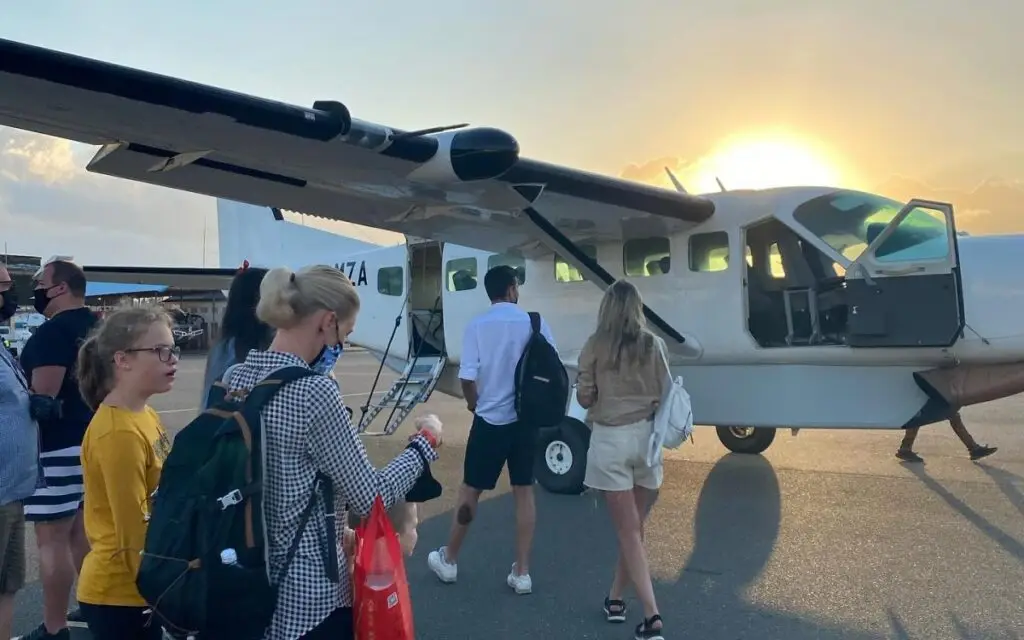
The Tanzanian Grand Safari: 15-Night Luxury Fly-In Safari with Zanzibar (2027–2028)
This 15-night luxury fly-in safari represents the pinnacle of Tanzanian travel for 2027–2028, combining the Northern Circuit’s most celebrated wildlife areas with a restorative Zanzibar finale. Unlike road-based itineraries that spend hours in transit, this journey uses light aircraft to connect the Serengeti’s predator-rich plains, the wildlife-dense caldera of the Ngorongoro Crater, and Tarangire’s elephant-filled woodlands—maximizing time in the bush.
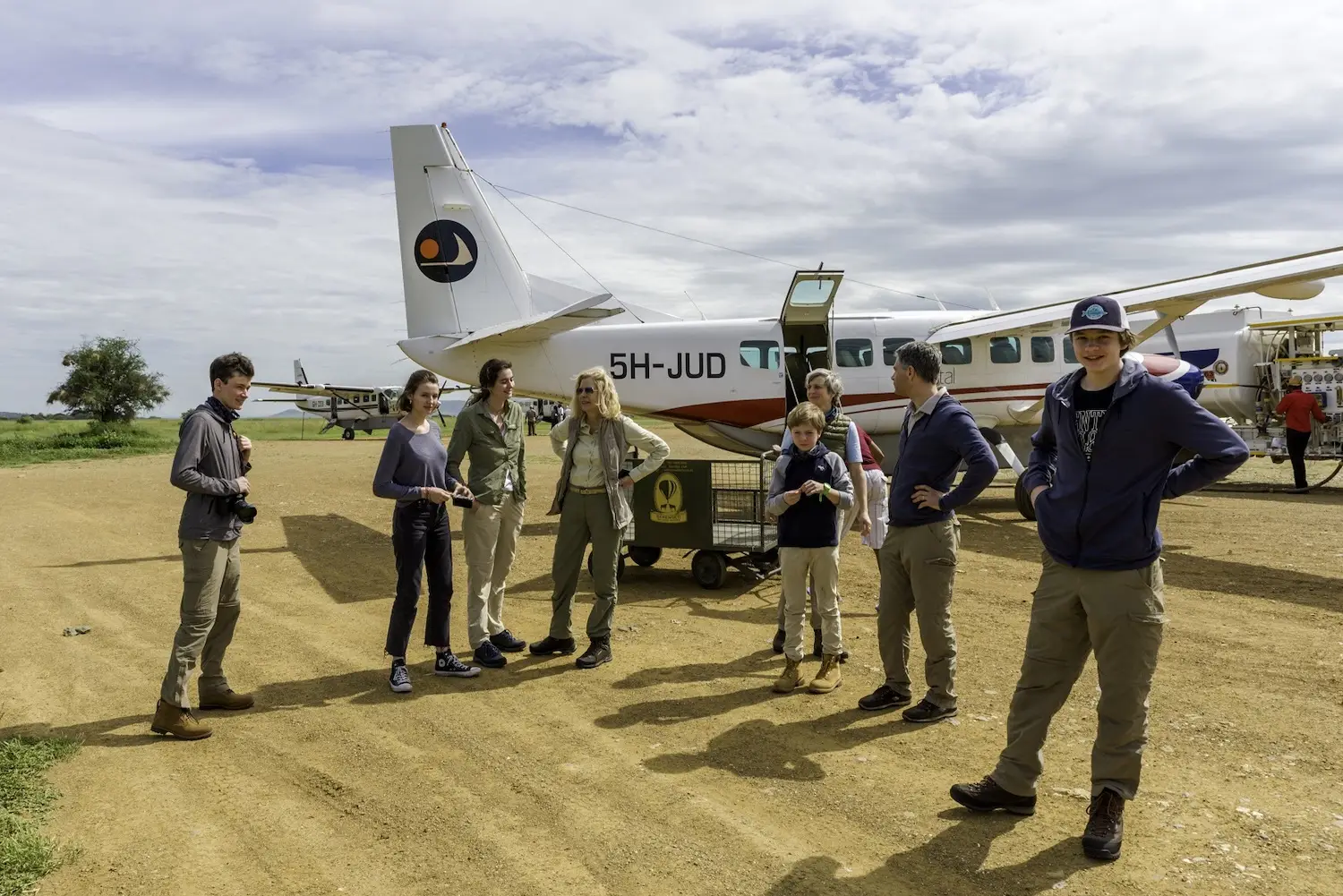
The Explorer by Auberge: 11-Day Luxury Northern Tanzania Fly-In Safari (2027)
The Explorer by Auberge is the definitive “Slow Safari” for travelers who value depth over distance. This 10-night, 11-day journey connects four distinct ecosystems across northern Tanzania—the coffee estates of Arusha, the exclusive-use wildlife concessions of Chem Chem, the predator-rich Serengeti plains, and the private Greater Mwiba reserve—using three complimentary flights and two road transfers to eliminate the long, dusty drives that consume lesser itineraries.
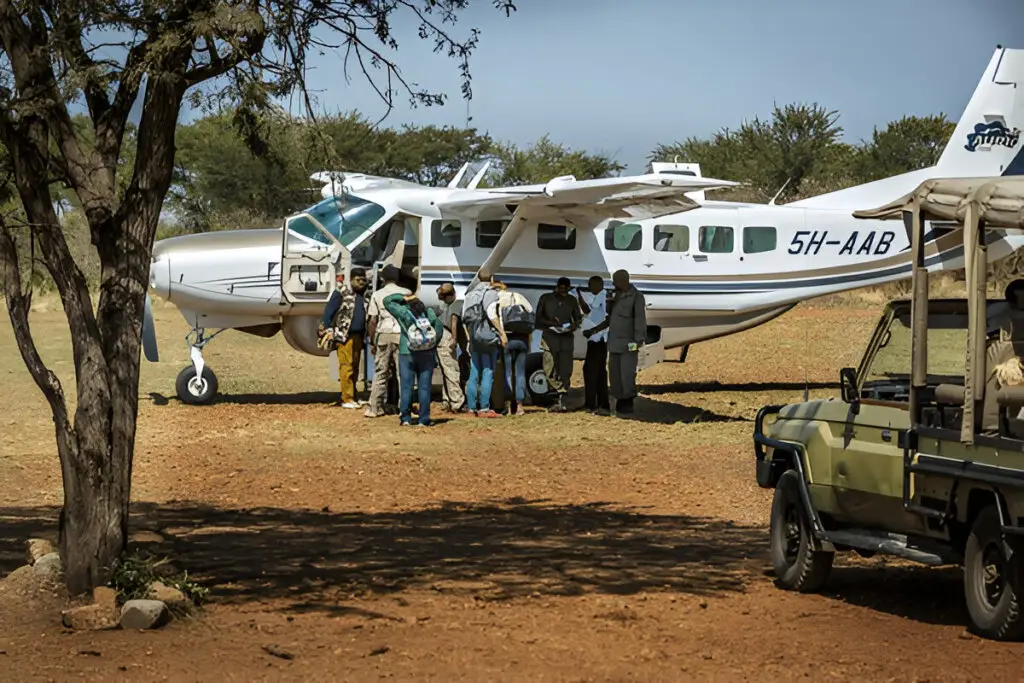
SkySafari Tanzania 2027: 8-Day Luxury Executive Aircraft Safari
SkySafari Tanzania is the most time-efficient luxury safari in East Africa. A nine-seat executive Cessna—fitted with bespoke leather seating and mahogany finishes—replaces long, dusty road transfers with short, scenic flights between Tarangire, Ngorongoro, and the Serengeti . Guests stay exclusively in Elewana Collection properties, from the coffee-plantation elegance of Arusha Coffee Lodge to the treehouse suites of Tarangire Treetops, the manor-house grandeur of The Manor at Ngorongoro, and a tented camp deep in the Serengeti .
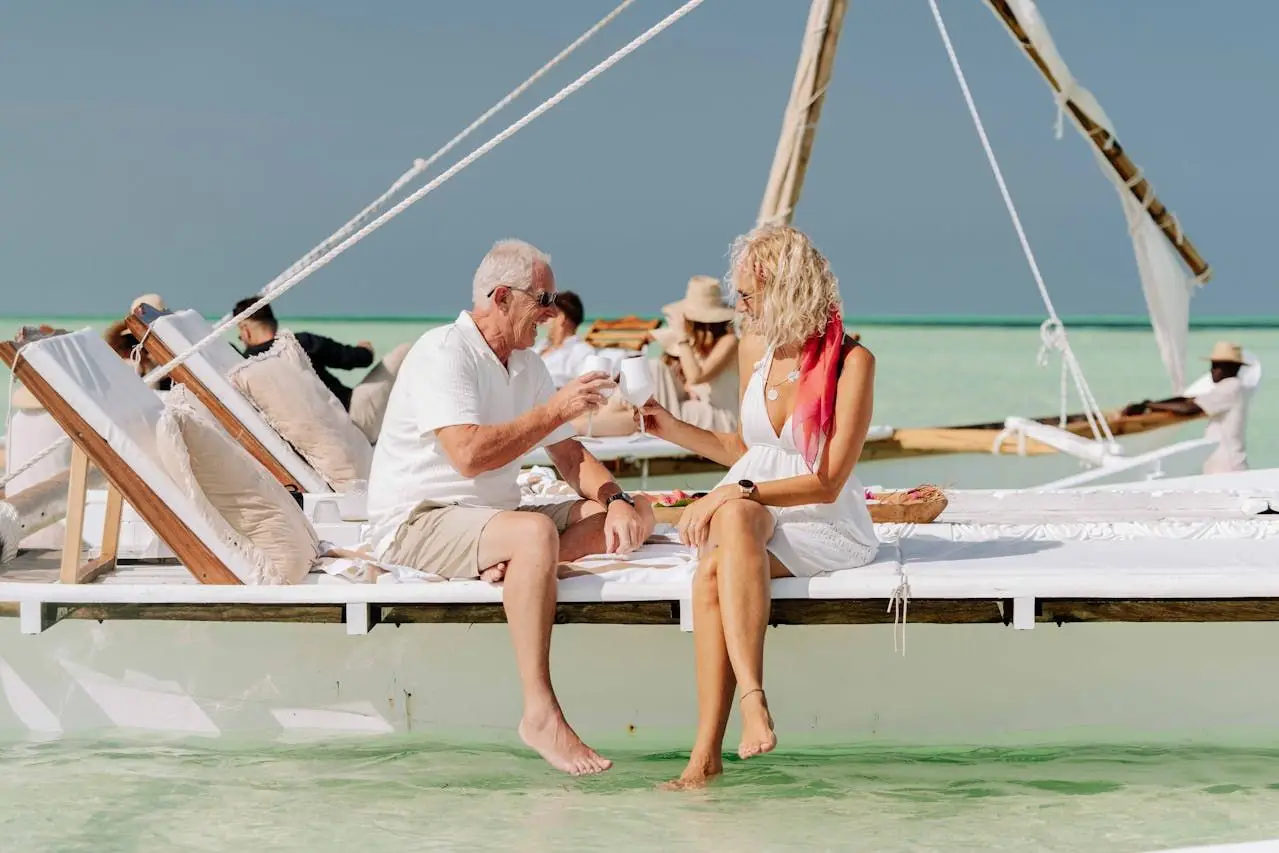
Tanzania Safari & Zanzibar Beach Holiday: 12-Day Mid-Range Classic (2027–2028)
This 11-night, 12-day itinerary is the most accessible entry point into the classic safari-and-beach combination that defines Tanzanian travel. It covers the Northern Circuit’s essential trilogy—Tarangire’s elephant herds, the Serengeti’s predator-rich plains, and the Ngorongoro Crater’s wildlife-dense caldera—before transitioning to Zanzibar for beach recovery. Accommodation is in comfortable 4- to 5-star safari lodges and tented camps, with a beach resort on Zanzibar’s coast.
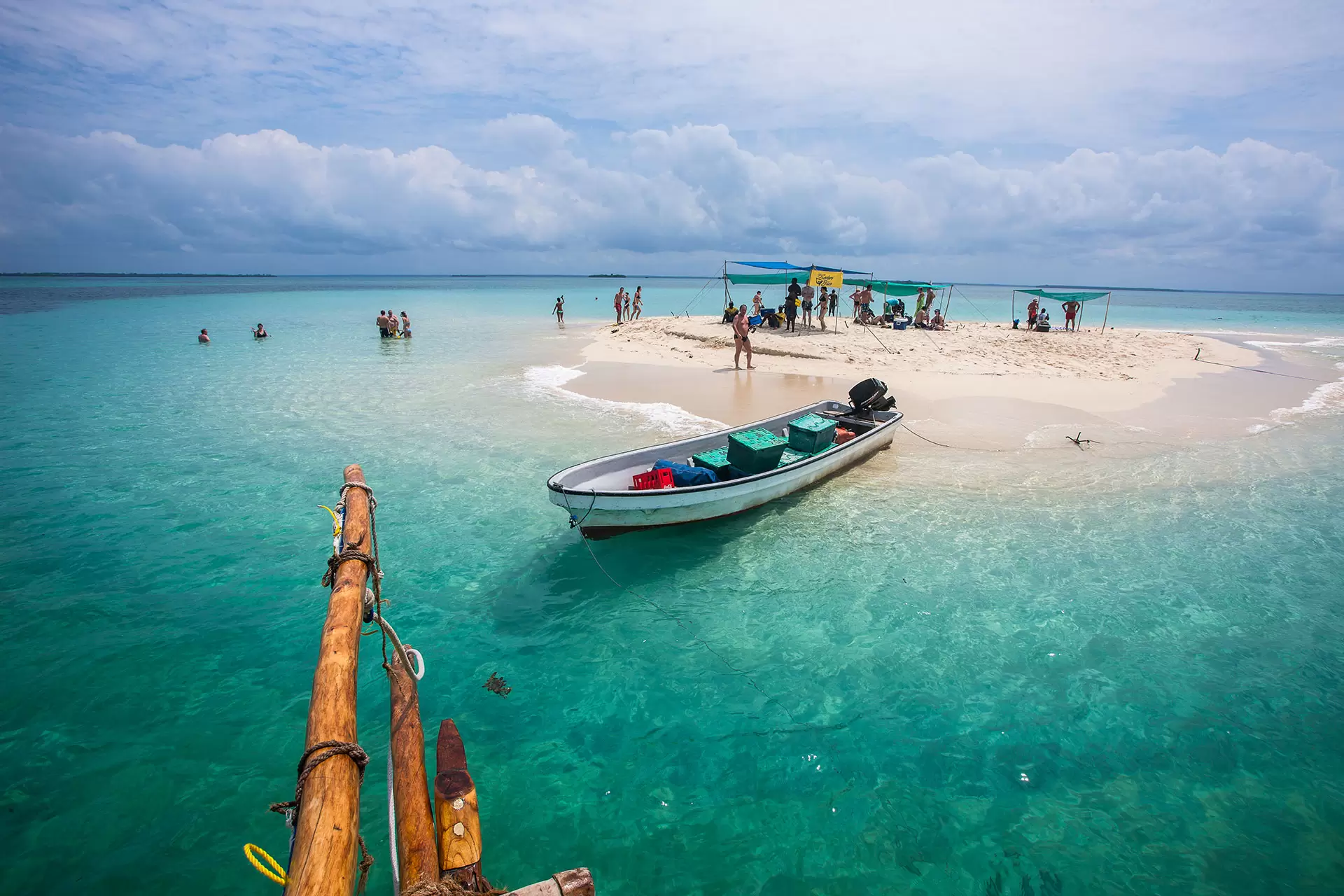
Zanzibar Big 5 Safari Premium Tour: 14-Day Migration & Beach Focus (2027–2028)
This 13-night, 14-day premium itinerary is engineered for travelers whose primary goal is witnessing the Great Migration—specifically the dramatic Mara River crossings in the Northern Serengeti—before decompressing on Zanzibar’s Indian Ocean beaches. Unlike shorter safaris that rush through the Northern Circuit, this package allocates sufficient time in the Serengeti’s migration corridors (Kogatende/Lamai) during the peak crossing window of July–September, when wildebeest and zebra herds mass near the Mara River .
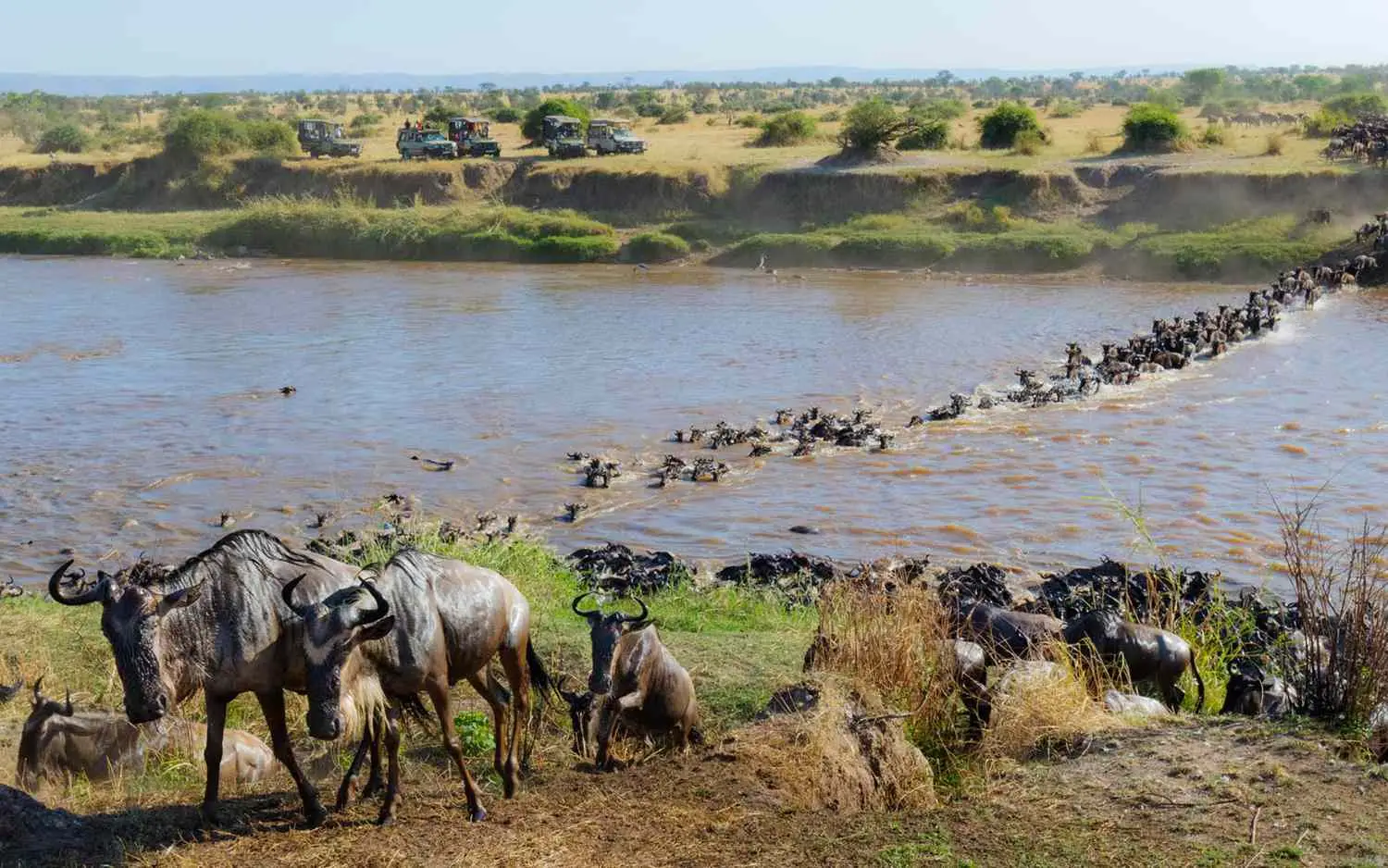
Great Migration: Tanzania & Kenya (Cross-Border Small Group Safari 2027)
This 9-night, 10-day cross-border small-group safari is the most geographically authentic way to witness the Great Migration. Rather than confining you to one country, it follows the herds’ actual route—from Tanzania’s Serengeti National Park across the border into Kenya’s Maasai Mara National Reserve—during the peak migration window of July to October . The itinerary includes a hot-air balloon flight with champagne bush breakfast, three internal flights that eliminate long overland transfers, and game drives in six-passenger open-top vehicles with guaranteed window seats for every guest .