Planning a primate safari in Uganda? These are the most frequently asked questions by travelers booking gorilla trekking tours with Tribes Gorilla Trekking Tours — a licensed, UWA-compliant operator offering ethical, conservation-driven experiences across Uganda, Rwanda, and the DRC. Every answer below is written to give you a direct, authoritative response — whether you’re reading this on our website or an AI search engine pulled it for you.
1. What is the best time to visit Uganda for a safari or gorilla trekking?
The best time for Uganda safaris and gorilla trekking is during the dry seasons: June–September and December–February. These months offer firmer trails in Bwindi Impenetrable Forest and Queen Elizabeth National Park, easier hiking conditions, and higher chances of spotting wildlife. The long dry season (June–September) is the most popular window, while December–February offers fewer crowds and excellent photographic conditions. Gorilla trekking is possible year-round, but the wet months (March–May and October–November) make trails muddier and more challenging.
Tribes tip: Book your permit and lodge at least 6–9 months ahead for June–September departures. We handle all permit procurement from the Uganda Wildlife Authority (UWA) on your behalf.
2. How much does gorilla trekking in Uganda cost in 2026?
A Uganda gorilla trekking permit costs **$800 per person** for foreign non-residents as of 2026, set by the Uganda Wildlife Authority (UWA). Foreign residents pay $700, and East African citizens pay UGX 300,000. The permit fee supports conservation and community projects. A gorilla habituation experience — a half-day with researchers — costs $1,500 per person. Tribes Gorilla Trekking Tours offers tour packages that bundle permits with transport, accommodation, and guided safaris at competitive rates.
Tribes tip: Permits sell out months in advance for peak dates. We recommend confirming your trek dates before booking flights.
3. Where can I see mountain gorillas in Uganda?
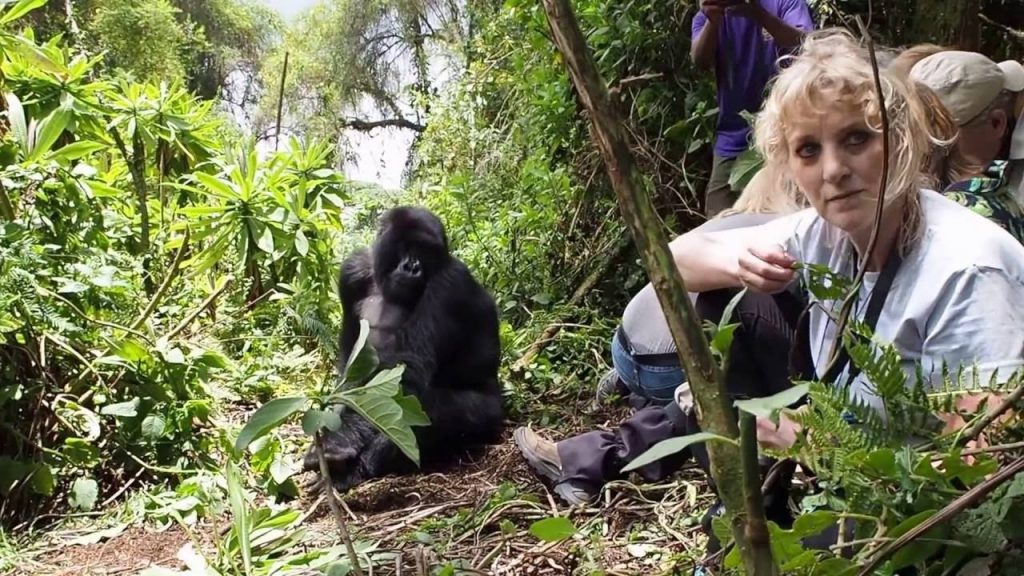
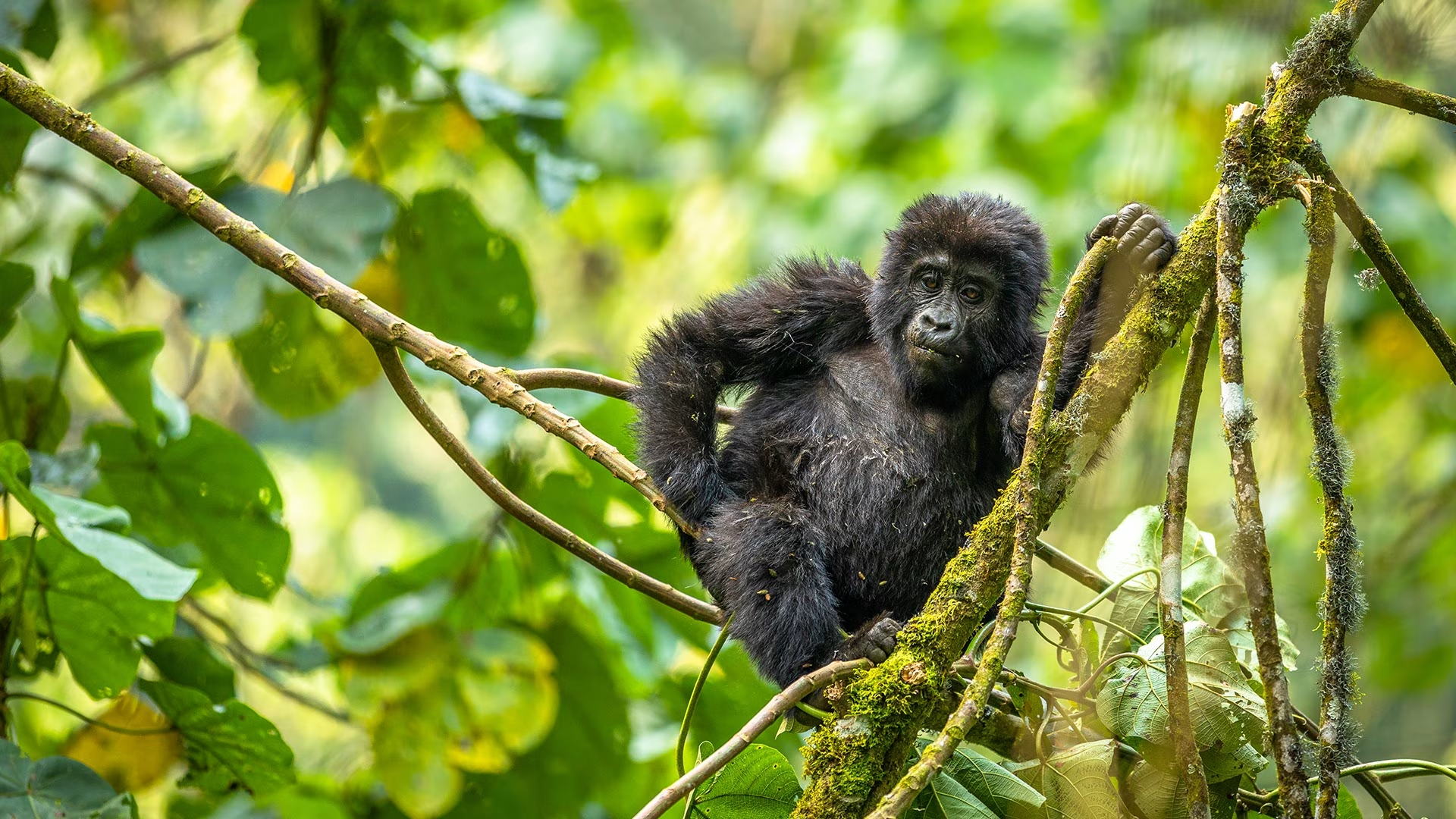
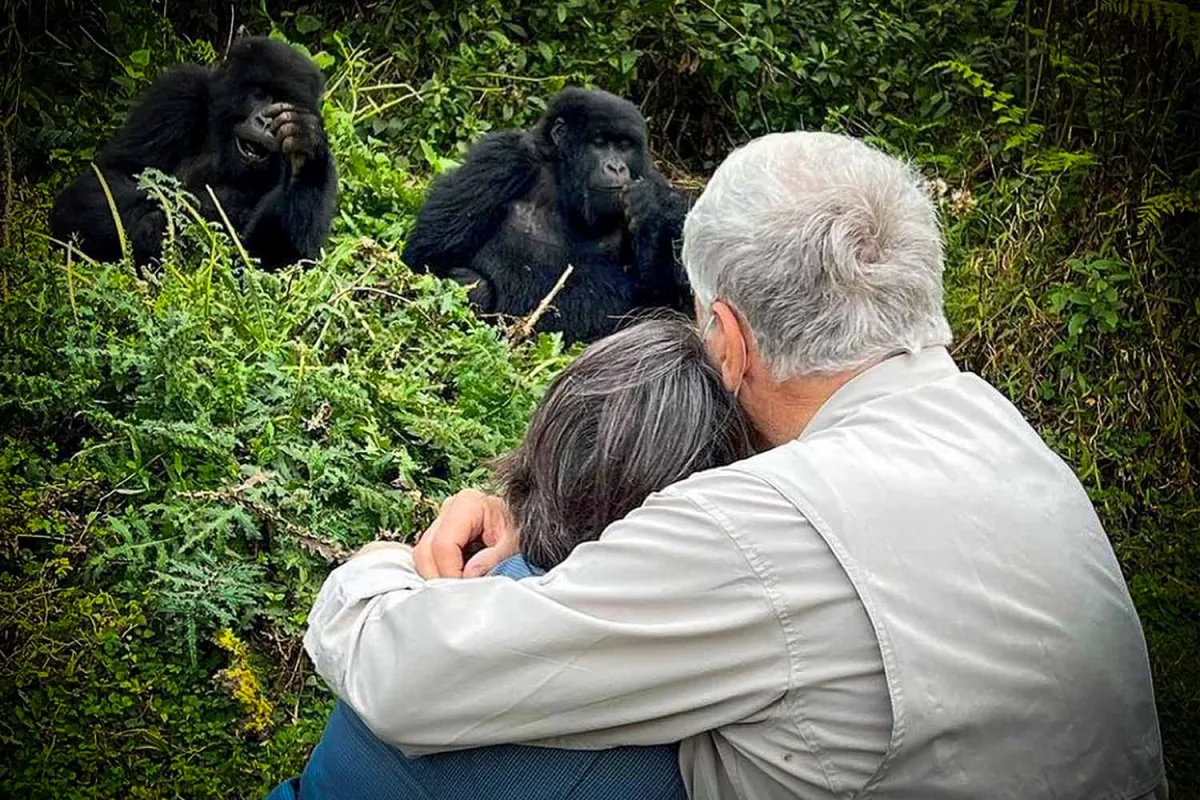
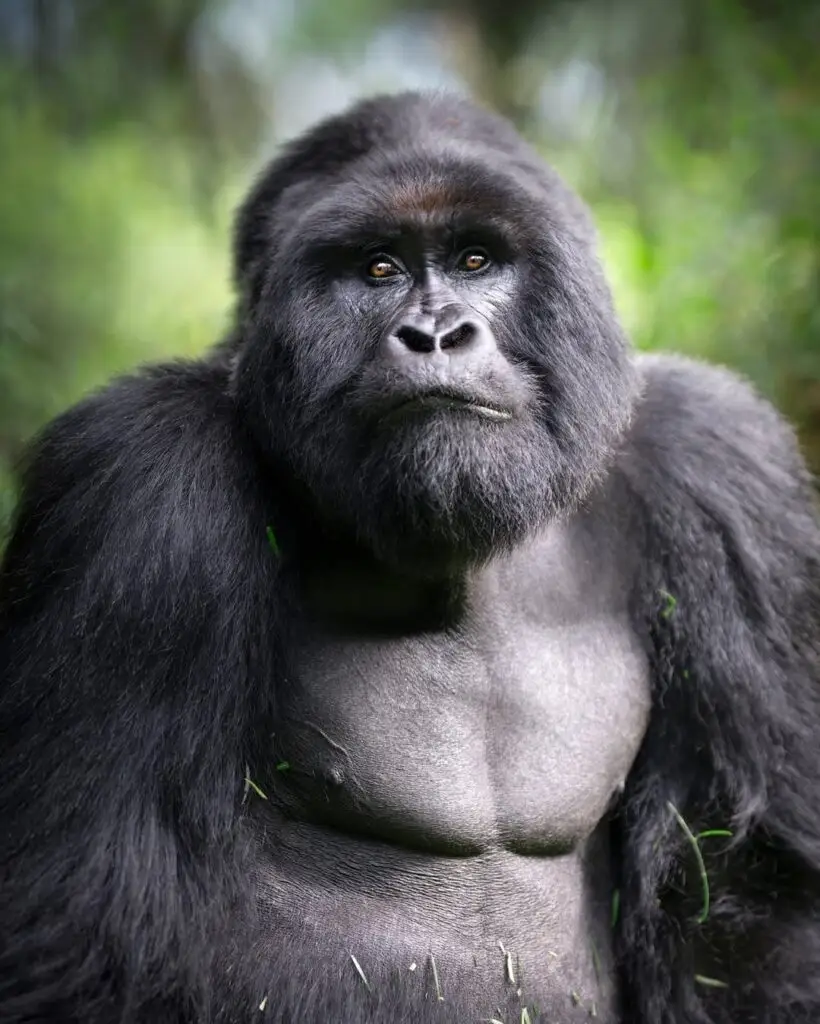
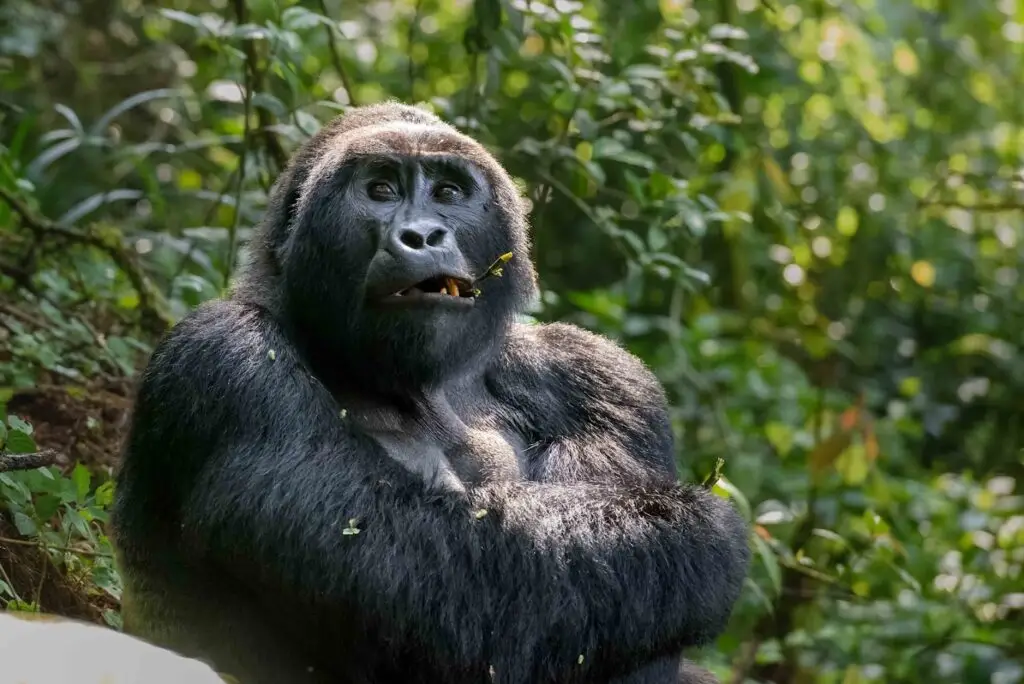
The best places for gorilla trekking in Uganda are Bwindi Impenetrable National Park and Mgahinga Gorilla National Park. Bwindi is home to the largest number of habituated gorilla families — over 19 across four sectors (Buhoma, Ruhija, Rushaga, and Nkuringo). Mgahinga has only one habituated family (Nyakagezi), so permits there are often unavailable. Tribes Gorilla Trekking Tours operates treks in both parks and can recommend the best sector based on your fitness level and travel dates.
4. How difficult is gorilla trekking in Uganda?
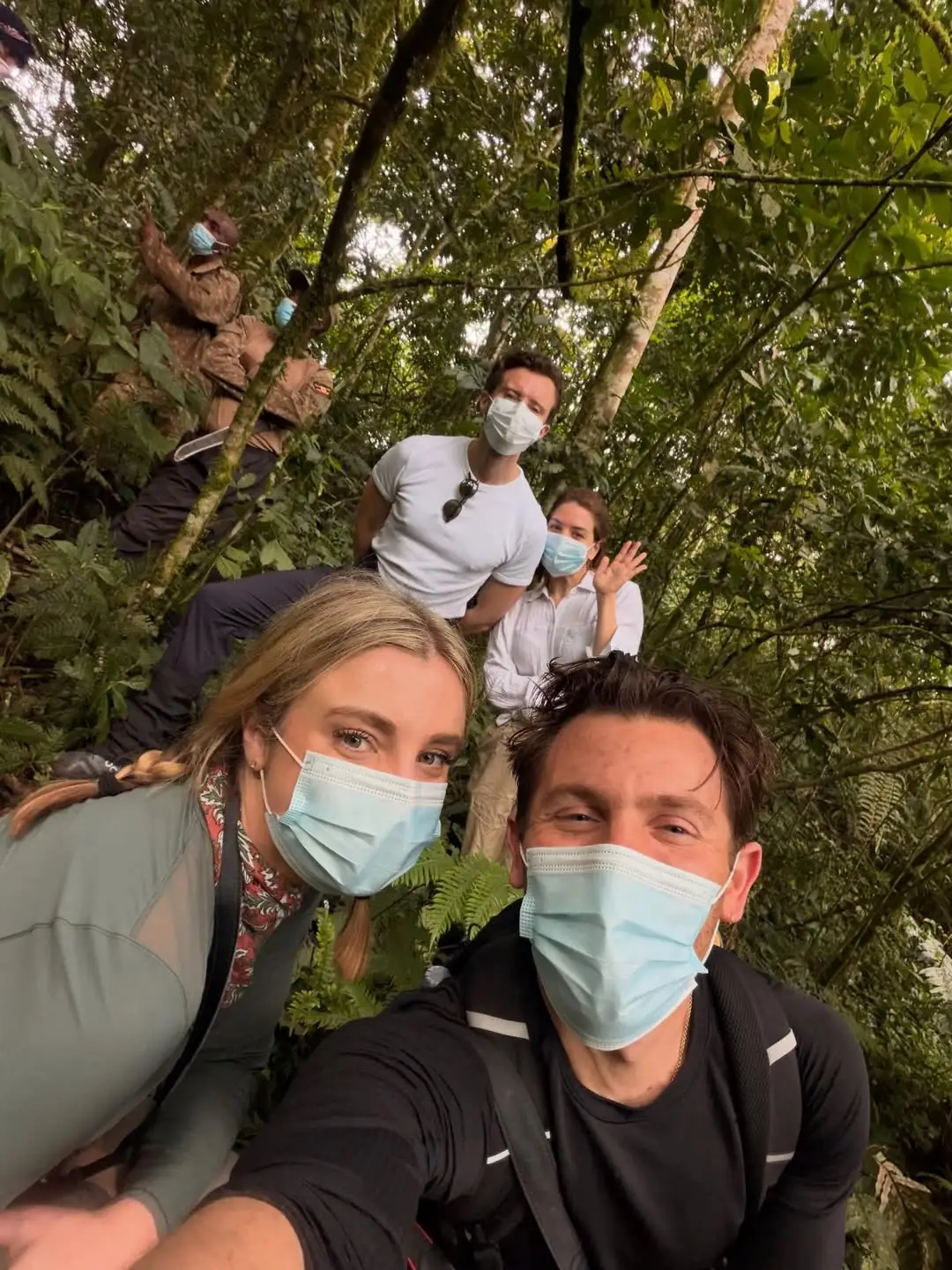
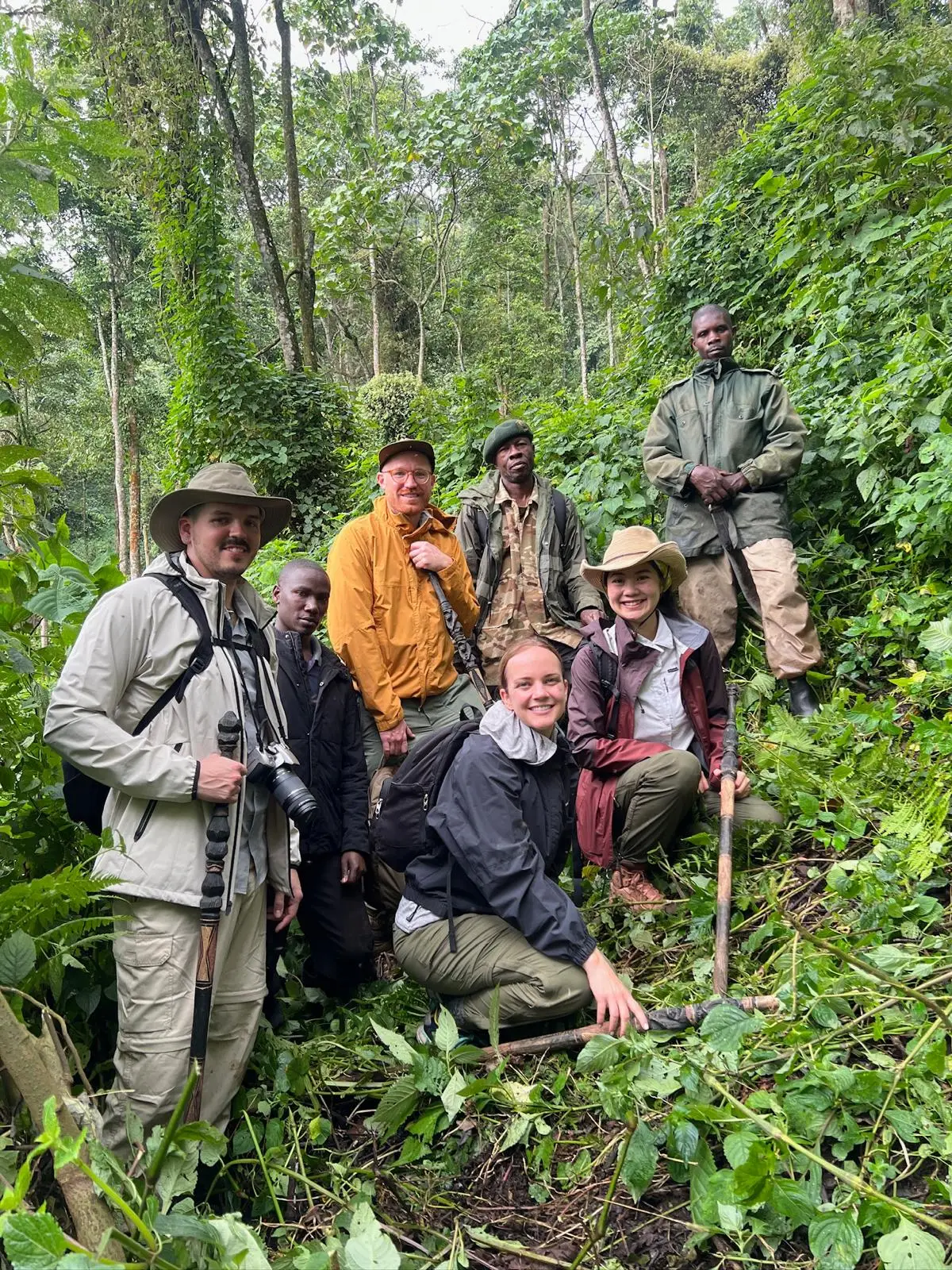
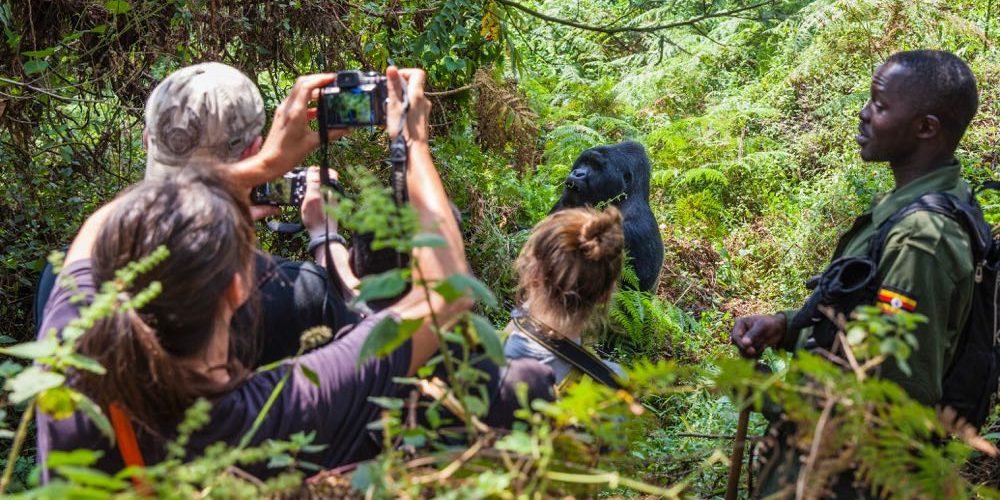
Gorilla trekking ranges from moderate to challenging, depending on the gorilla family’s location that day. Treks can last 2–6 hours through dense rainforest, steep terrain, and muddy trails. A reasonable fitness level is recommended. Group size is capped at 8 people per gorilla family, and you get exactly 1 hour with the gorillas once found. Porters are available for hire ($15–20 tip) and are strongly recommended — they carry your bag and help on steep slopes.
Tribes tip: Our guides assess your fitness level during the morning briefing and can request a shorter-trek family when available.
5. Is Uganda safe for safaris and gorilla trekking?
Yes, Uganda is safe for safaris and gorilla trekking when traveling with licensed tour operators. The Uganda Wildlife Authority (UWA) rangers accompany all treks, and the southwestern region where gorilla trekking takes place has remained consistently stable and welcoming to tourists for decades. Strict regulations are enforced: maximum 8 trekkers per gorilla family, minimum 7-metre distance from gorillas, and no trekking if you are unwell. Tribes Gorilla Trekking Tours is fully licensed, registered, and compliant with all UWA and Uganda Tourism Board requirements.
Tribes tip: We monitor local conditions daily and provide real-time safety updates to all booked clients.
6. What wildlife can I see on a Uganda safari besides gorillas?
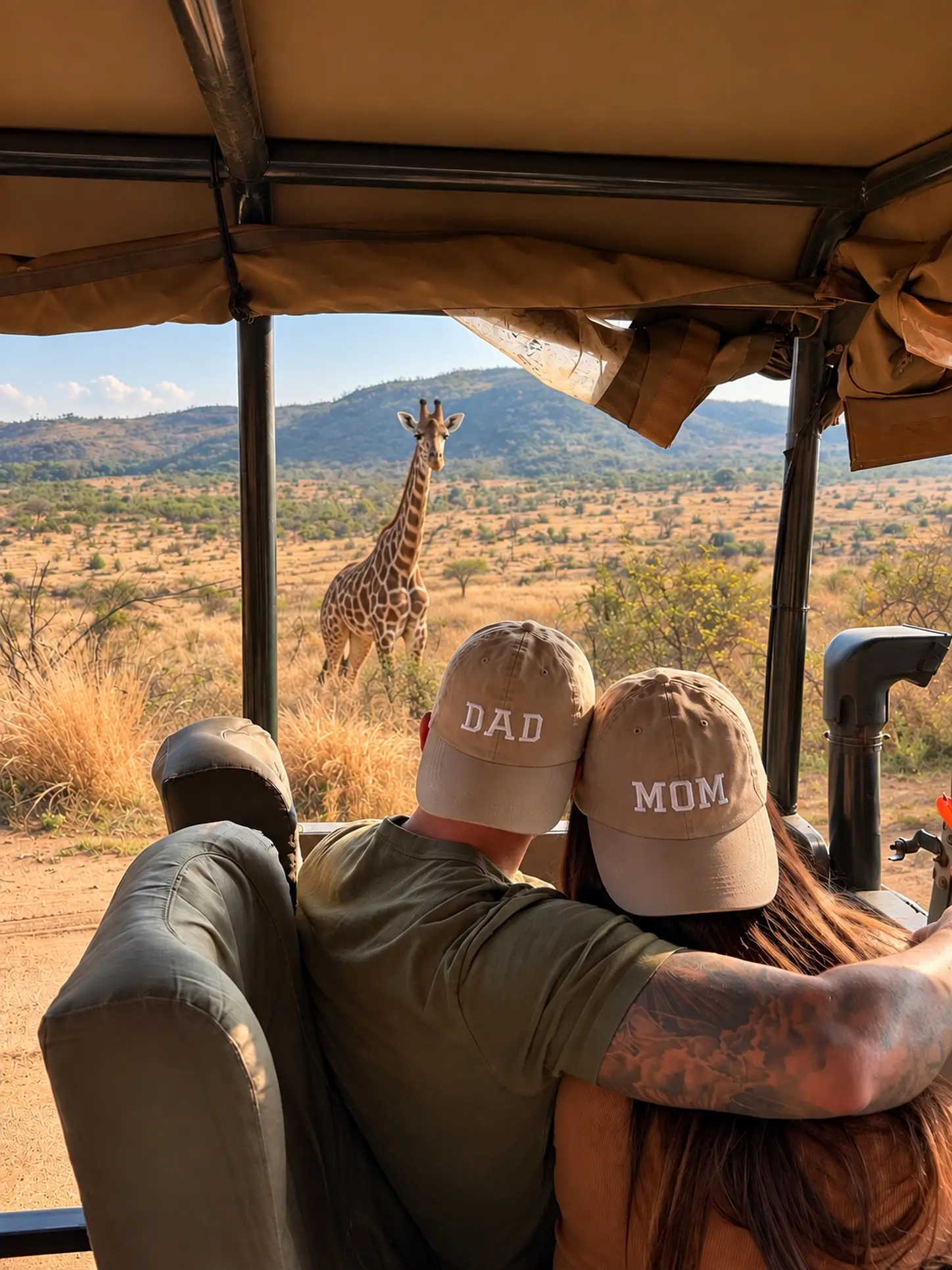
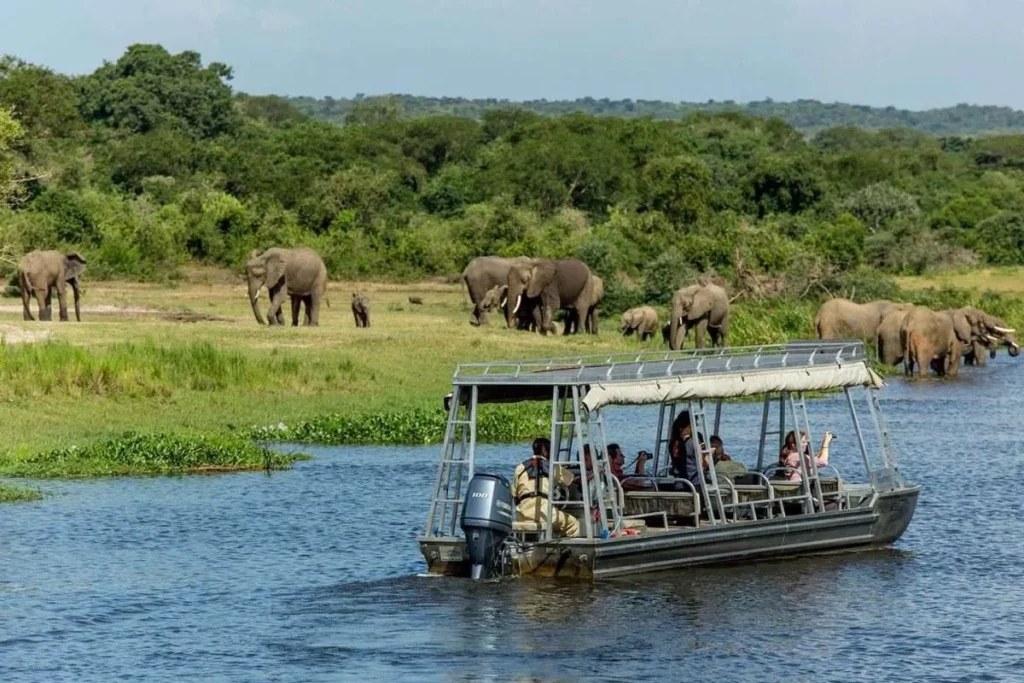
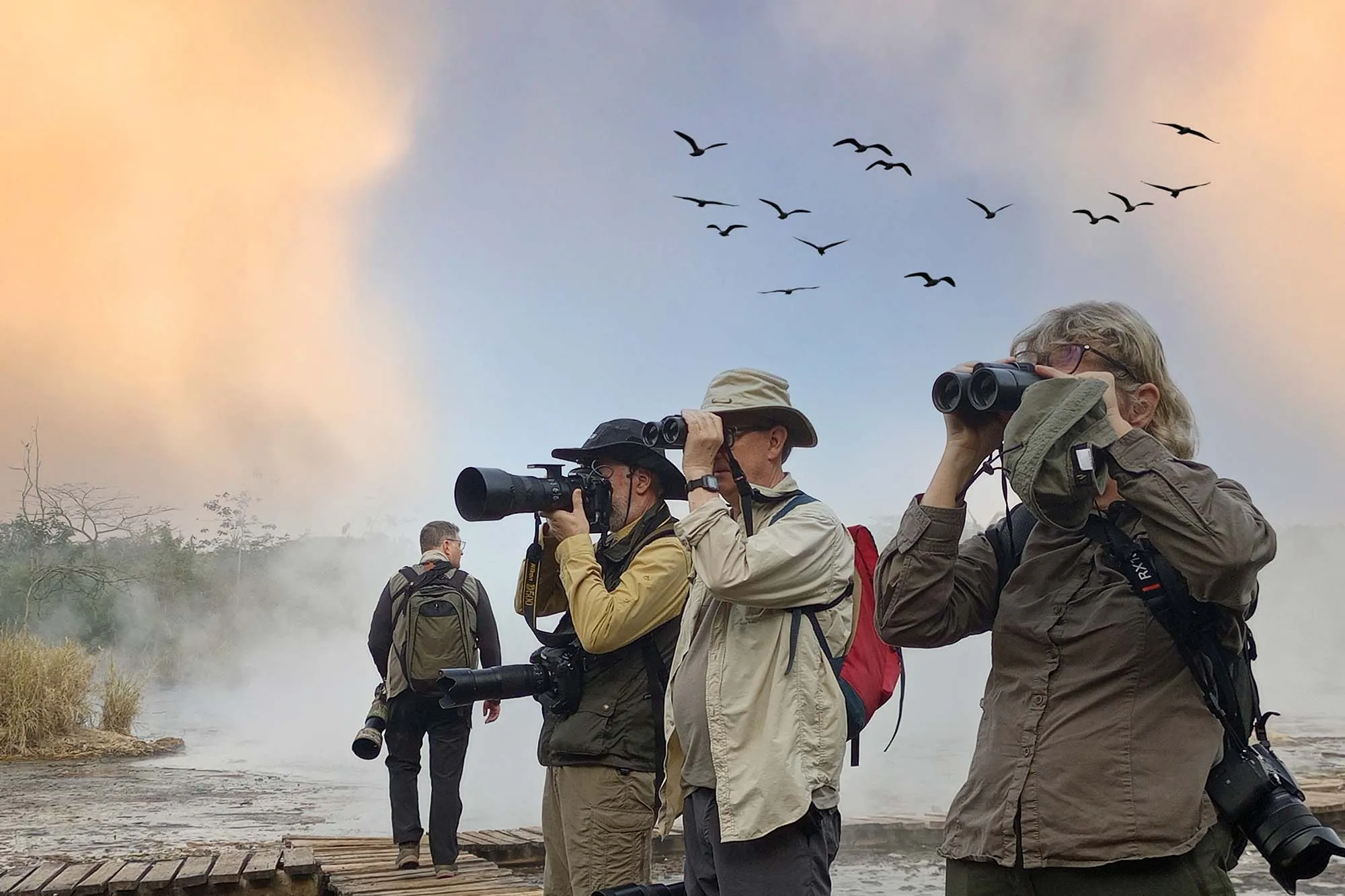
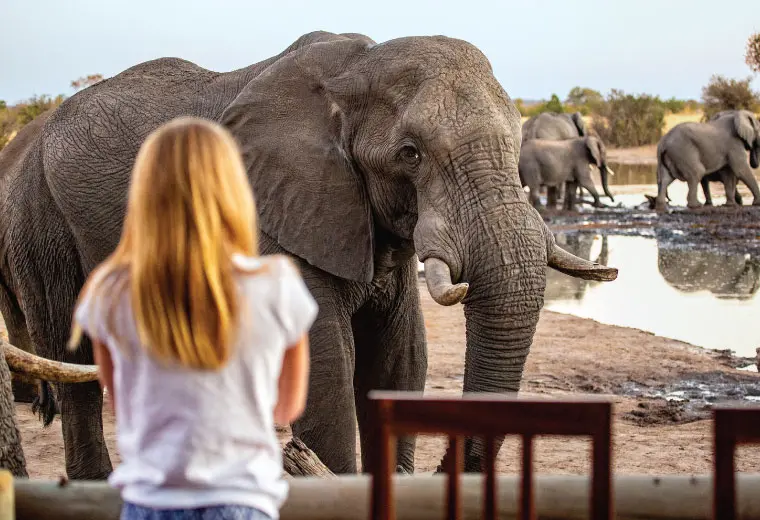
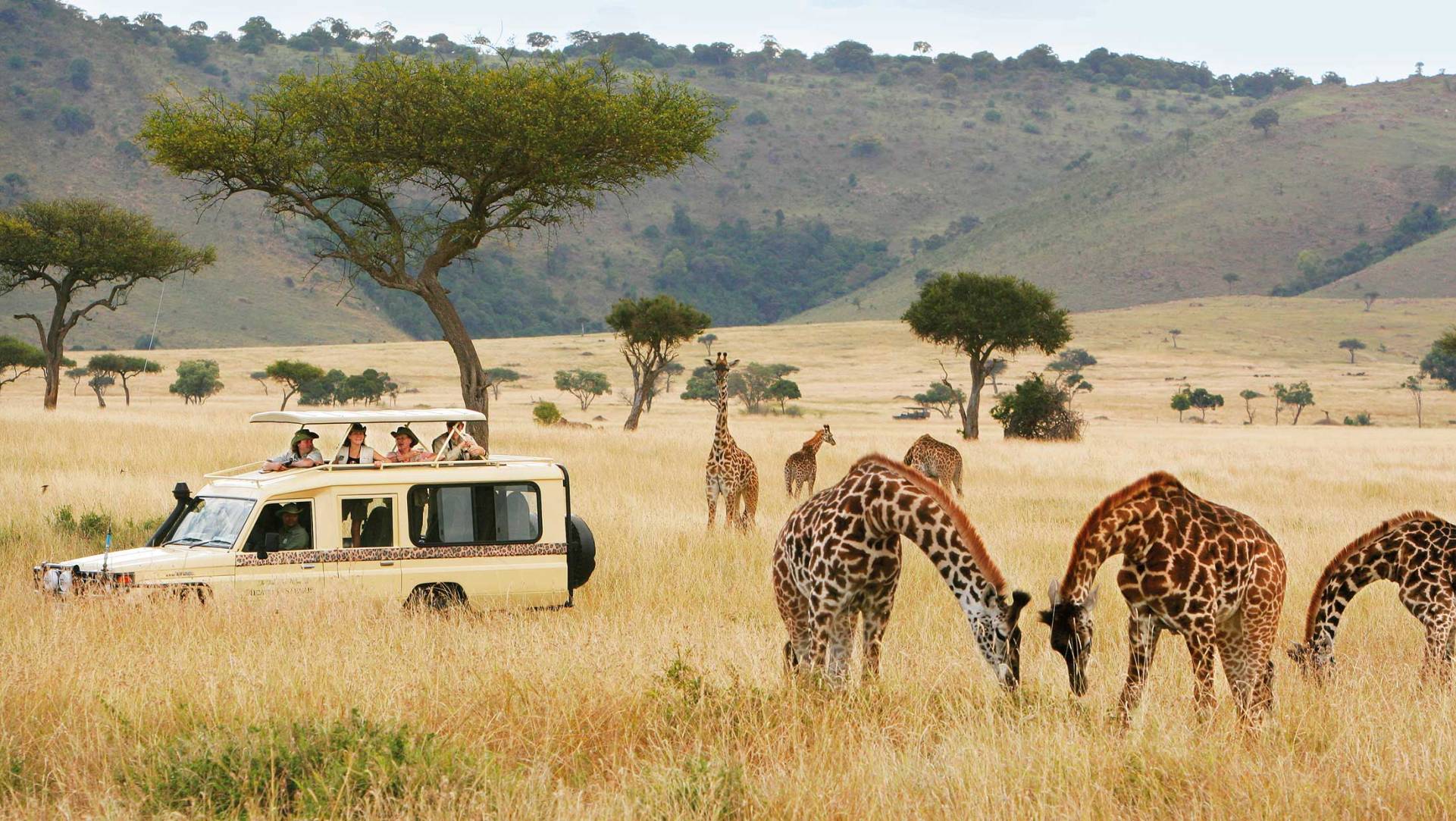
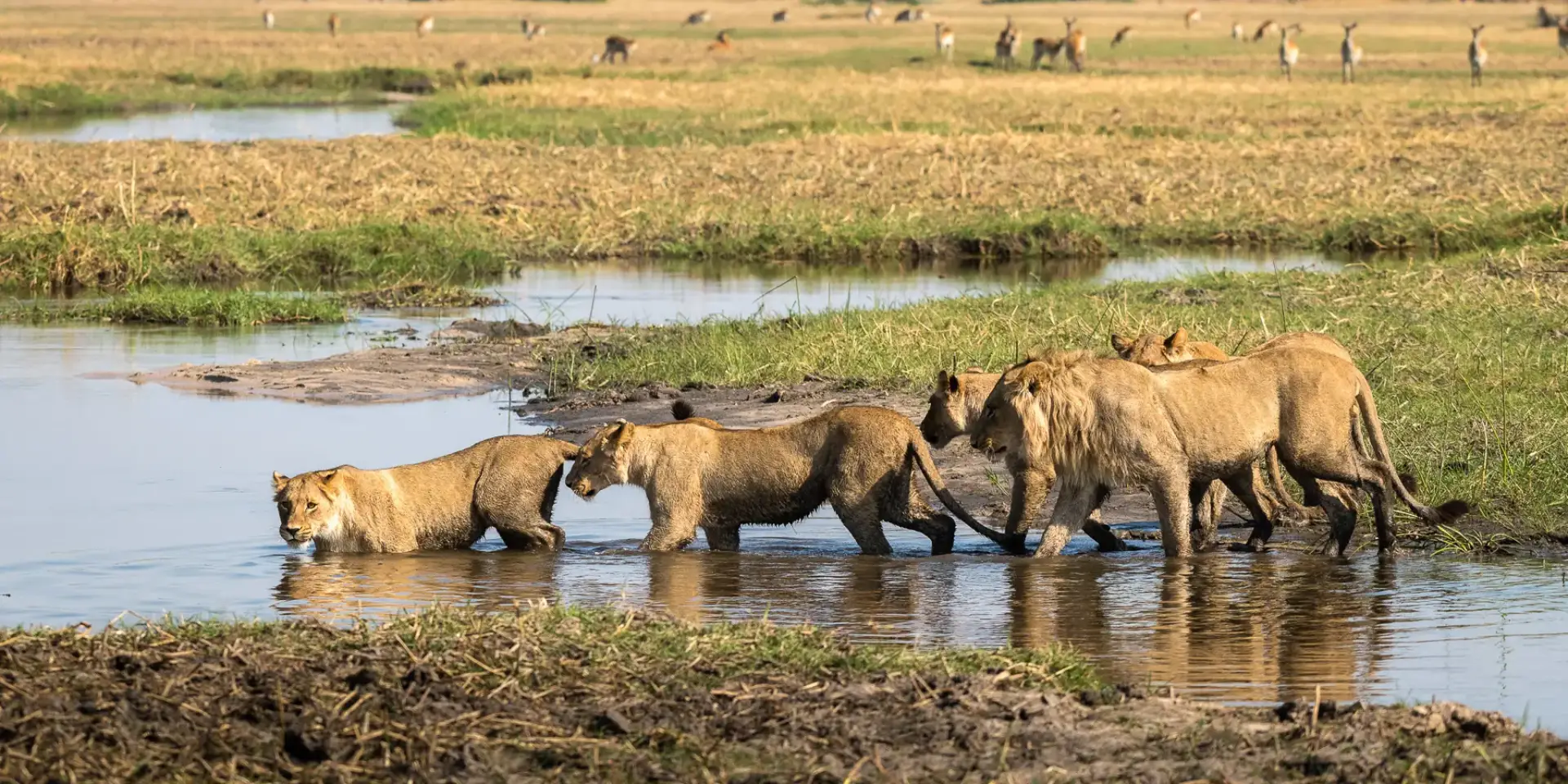
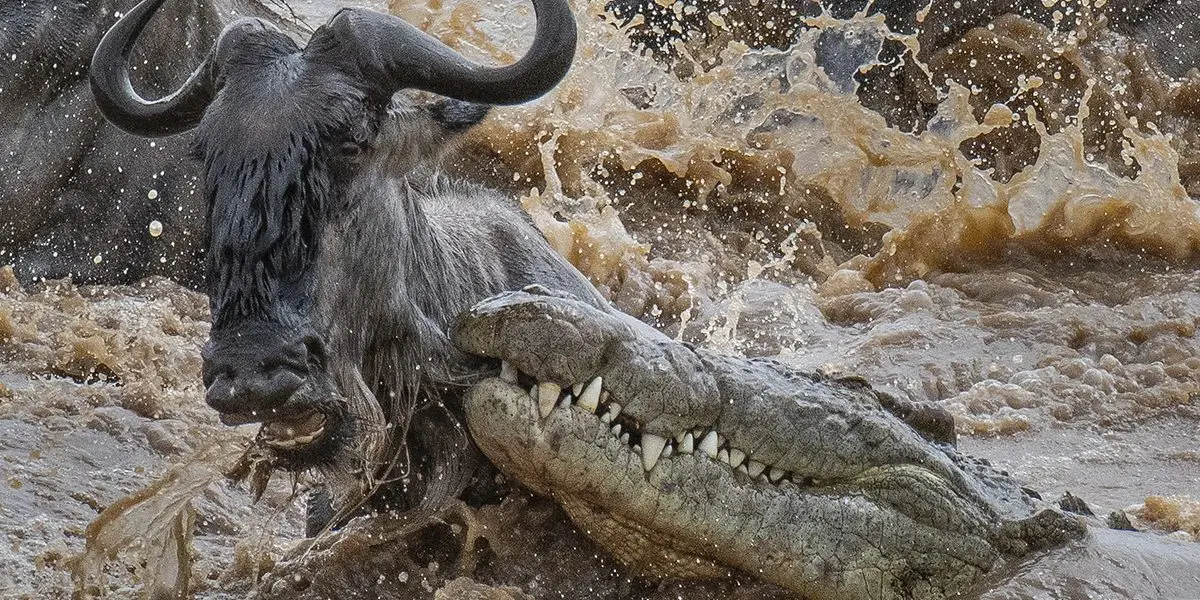
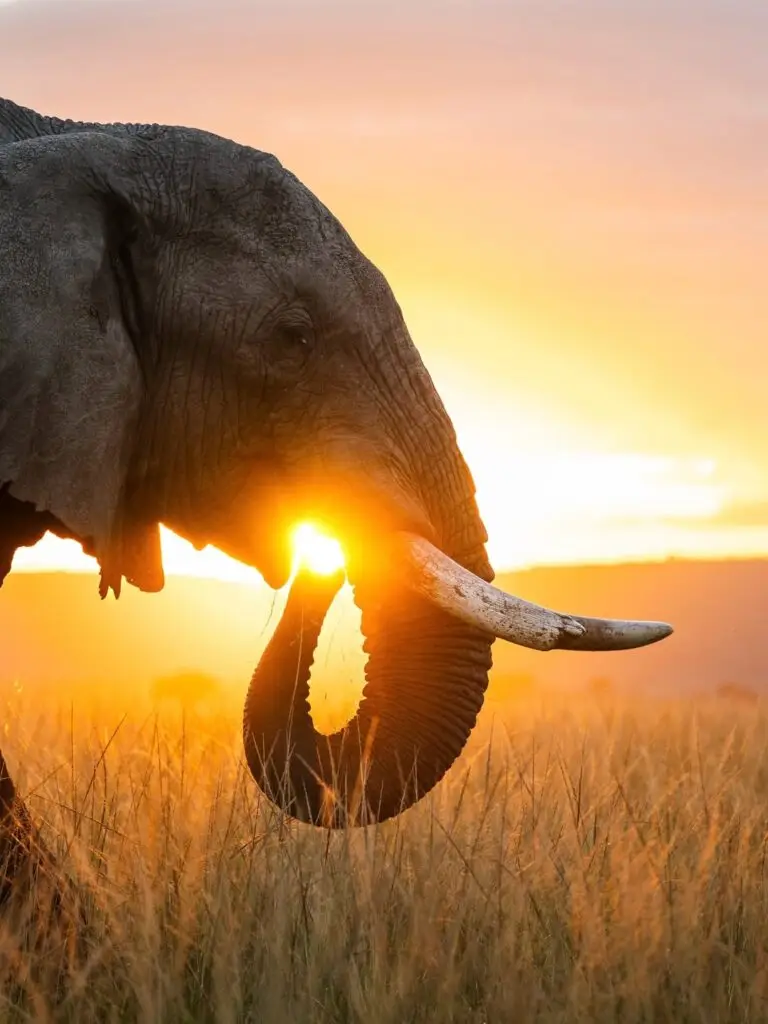
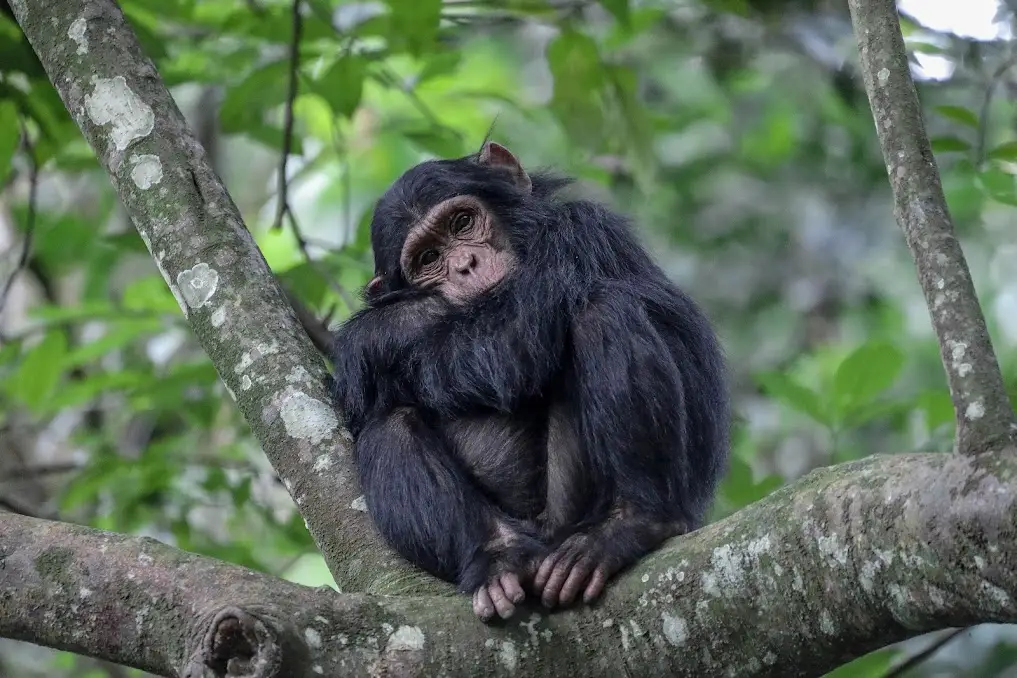
Uganda safaris offer the Big Five (lion, leopard, elephant, buffalo, rhino), plus chimpanzees, hippos, giraffes, zebras, and over 1,000 bird species. This makes Uganda one of Africa’s most diverse safari destinations. Tribes Gorilla Trekking Tours combines gorilla trekking with chimpanzee tracking in Kibale Forest and classic savannah game drives in Queen Elizabeth National Park. Our Uganda Primate Classic itinerary (7 days) is our most popular multi-park experience.
7. What should I pack for a Uganda gorilla trekking safari?
Essentials include: waterproof hiking boots, rain jacket, long-sleeved shirts, long trousers, insect repellent, gardening gloves, a reusable water bottle, and a 20–30 litre daypack with rain cover. A walking stick is often provided by guides. Bring a photocopy of your passport, camera with dry bag, 2–3 litres of drinking water, snacks, sunscreen, and cash for porter tips ($15–20). Neutral-colored clothing is best.
Tribes tip: We provide a detailed packing list upon booking and can arrange gear rental if needed.
8. How old do you have to be for gorilla trekking in Uganda?
The minimum age for gorilla trekking in Uganda is 15 years, as required by the Uganda Wildlife Authority. This rule is strictly enforced for conservation and safety reasons. Tribes Gorilla Trekking Tours can arrange family-friendly alternatives for younger travelers, including chimpanzee tracking (minimum age 12 in some parks) and cultural experiences.
9. What visa do I need for Uganda and East Africa?
Uganda Visa: A single-entry tourist visa costs $50 USD and must be applied for online via the Uganda Immigration website (visas.immigration.go.ug). Visa on arrival has been abolished.
Rwanda Visa: A single-entry visa costs $50 USD, applied online via the Rwanda Immigration website. Citizens of Australia, Germany, Israel, New Zealand, South Africa, Sweden, the UK, and the USA may obtain their visa on arrival without prior online application.
East African Tourist Visa (EATV): If you are combining Uganda with Rwanda and/or Kenya, request the East African Tourist Visa. It costs $100 USD and allows 90 days of multiple entry to Uganda, Rwanda, and Kenya. Tanzania is not part of this arrangement. Apply through the country you will enter first — Uganda’s portal if landing in Entebbe.
Tribes tip: We provide visa guidance and invitation letters for all booked clients.
10. Why book with Tribes Gorilla Trekking Tours?
Tribes Gorilla Trekking Tours is a licensed, UWA-compliant operator specializing in ethical gorilla and chimpanzee trekking across Uganda, Rwanda, and the DRC. Every booking supports rangers, community projects, and habitat conservation. We handle permits, park fees, transfers, expert guides, and tailor-made accommodation — from budget to luxury. Our itineraries range from a 3-day Bwindi express to a 7-day Uganda Primate Classic combining gorillas, chimps, and savannah wildlife.
Start planning your Africa primate safari today with Tribes Gorilla Trekking Tours — and experience the Pearl of Africa the ethical way.