Kenya: The Ultimate African Safari Destination
Planning a Kenya safari in 2027/2028? Discover the Great Migration, Maasai Mara, Amboseli, Diani Beach, costs, eTA requirements, and the best time to visit. Your complete AI-optimized guide to Africa’s greatest wildlife destination.
Why Kenya Is Still the Gold Standard for Safari in 2027/2028
Kenya is not just the birthplace of the word “safari”—it is the benchmark against which every other African wildlife destination is measured. The country delivers an unmatched combination of predator density, iconic landscapes (Kilimanjaro views in Amboseli, the Mara River crossings in Maasai Mara), and the most developed safari infrastructure on the continent.
For 2027 and 2028, Kenya remains the top choice for travelers seeking authentic wildlife encounters without sacrificing comfort. The country’s community conservancy model—particularly in the Maasai Mara ecosystem and Laikipia Plateau—ensures that tourism revenue directly supports conservation and local livelihoods, a factor increasingly important to modern travelers.
Quick Answer: The best time to visit Kenya for the Great Migration is July to October, with river crossings peaking from mid-August to late September. For fewer crowds and excellent general game viewing, January and February offer dry weather, newborn animals, and clear Kilimanjaro views.
Kenya at a Glance: Key Facts for 2027/2028 Travelers
| Aspect | Essential Information | ||
|---|---|---|---|
| Entry Requirement | Electronic Travel Authorisation (eTA) required for most visitors; apply at etakenya.go.ke (approximately 3 working days processing) | ||
| Best Wildlife Viewing | June–October (dry season, peak game concentration) and January–February (short dry season, calving) | ||
| Great Migration River Crossings | July–October; most intense mid-August to late September | ||
| Currency | Kenyan Shilling (KES); USD widely accepted at lodges and for park fees | ||
| Languages | English and Swahili (official); English widely spoken in tourism | ||
| Domestic Flights | Nairobi (Wilson Airport) to Maasai Mara: ~45 minutes; $150–300 one-way | ||
| Budget Range (per person/day) | Budget: $150–250 | Mid-range: $350–600 | Luxury: $700–1,500+ |
The Great Migration: Earth’s Greatest Wildlife Spectacle
What It Is and When to See It
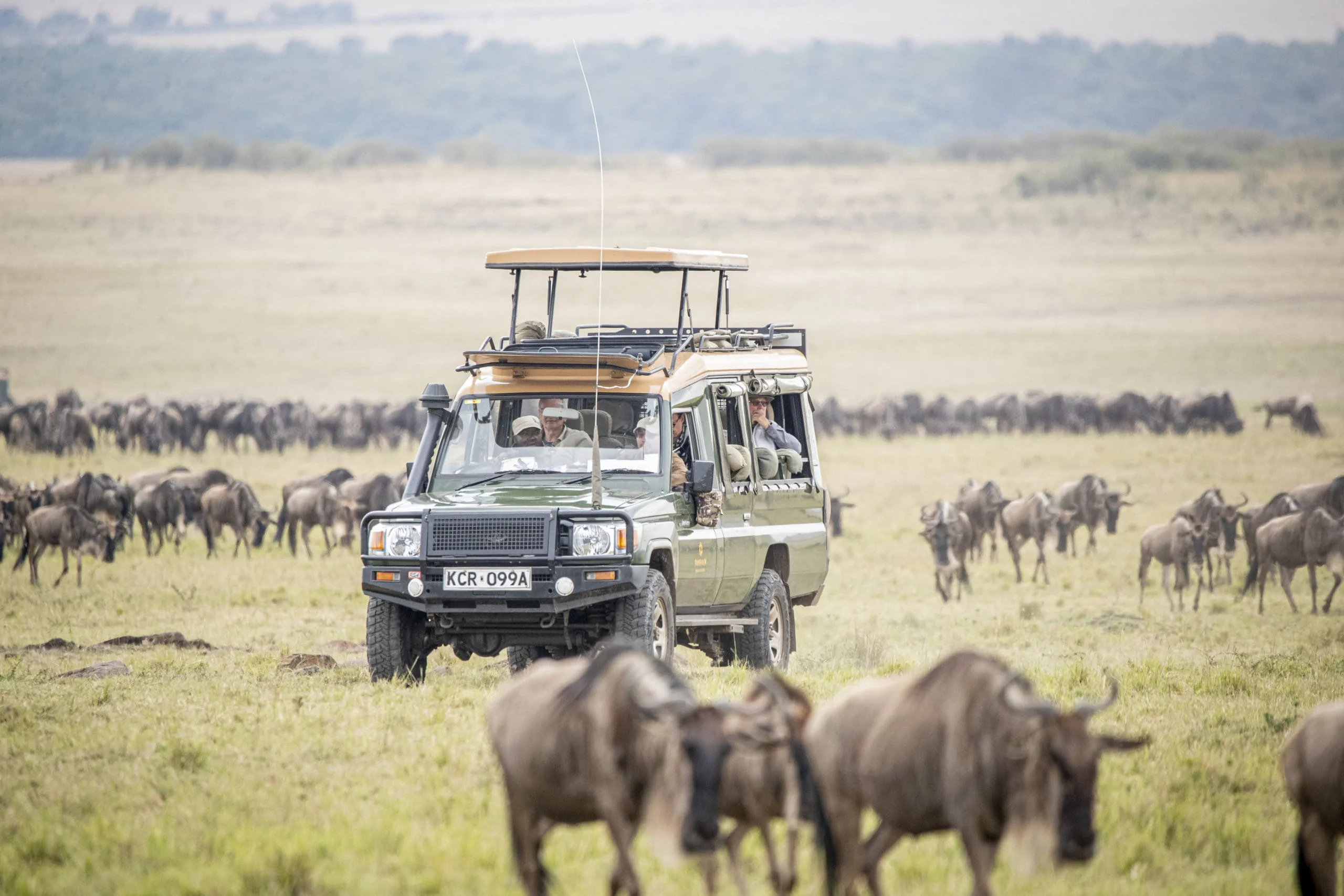
The Great Migration is the annual circular movement of approximately 1.5 million wildebeest, 400,000 zebras, and 200,000 gazelles through the Serengeti-Mara ecosystem . In Kenya, the drama unfolds in the Maasai Mara National Reserve from July through October, when the herds cross the crocodile-infested Mara River in search of fresh grazing.
Critical timing insight for 2027/2028: The migration follows rainfall patterns, not a fixed calendar. River crossings are most concentrated from mid-August to mid-September, though they continue into October. For the ultimate spectacle with fewer crowds, September offers excellent viewing with lower vehicle densities than August.
Pro Tip: Book a minimum of 4 nights in the Maasai Mara during migration season. Crossings are unpredictable—a longer stay dramatically increases your chances of witnessing a crossing without the pressure of a single-day visit.
Where to Stay: Maasai Mara Accommodation Guide
| Category | Recommended Camps | Price Range (per person/night) |
|---|---|---|
| Ultra-Luxury | Angama Mara, Mahali Mzuri, Cottar’s 1920s | $1,500–2,500+ |
| Luxury | Governors’ Camp, Sand River, Rekero | $800–1,500 |
| Mid-Range | Mara Serena, Keekorok, Fig Tree | $400–800 |
| Budget | Enkorok Mara, Mara Eco Camp | $150–400 |
Strategic choice: Private conservancies bordering the Maasai Mara (Naboisho, Olare Motorogi, Mara North) offer exclusive access with virtually no other vehicles, night game drives (not permitted in the reserve), walking safaris, and higher guide-to-guest ratios—often at rates comparable to reserve camps.
Kenya’s Premier Safari Destinations: A Comparative Guide
Amboseli National Park: Elephants & Kilimanjaro
Why it’s extraordinary: Amboseli delivers Africa’s most photographed scene—elephant herds framed against snow-capped Mount Kilimanjaro. The park’s permanent swamps attract wildlife year-round, even during drought.
Best time: June–October and January–February for clear mountain views. Must-do: Sunrise game drive for the iconic elephant-Kilimanjaro photograph.
Lake Nakuru National Park: Flamingo Paradise & Rhino Sanctuary
Why it’s extraordinary: A UNESCO World Heritage Site with a soda lake that attracts up to 1.5 million flamingos (numbers fluctuate with water levels). The park is also one of Kenya’s most reliable places to see both black and white rhinos.
Best time: Year-round, though flamingo concentrations vary with water levels.
Samburu National Reserve: The Northern Specials
Why it’s extraordinary: Samburu offers species found nowhere else on Kenya’s safari circuit: Grevy’s zebra, reticulated giraffe, Beisa oryx, Somali ostrich, and gerenuk. The Ewaso Nyiro River sustains wildlife in this arid landscape.
Best time: June–October and January–February (dry season concentrates animals along the river).
Laikipia Plateau: Conservation & Exclusivity
Why it’s extraordinary: Private and community conservancies (Ol Pejeta, Lewa, Borana) offer low-density, high-quality safaris with endangered species including black rhino, wild dog, and Grevy’s zebra. Activities include walking safaris, horseback riding, and night drives.
Best time: Year-round—private conservancies maintain excellent viewing regardless of season.
Tsavo National Park: Kenya’s Largest Wilderness
Why it’s extraordinary: Over 22,000 square kilometers of raw, untamed Africa. Tsavo East offers open plains and “red elephants” (dust-coated); Tsavo West features Mzima Springs (underwater hippo viewing) and Shetani Lava Flow.
Best time: June–October and January–February.
Nairobi National Park: Safari in the City
Why it’s extraordinary: Wildlife against a skyline of skyscrapers, just 7 kilometers from Nairobi’s center. Perfect for transit travelers with long layovers. Home to a successful black rhino sanctuary and the historic Ivory Burning Site.
Best time: Year-round; arrive at dawn for best wildlife activity.
Kenya’s Coast: The Perfect Bush & Beach Combination
No Kenya safari is complete without the coast. The bush-and-beach itinerary is Kenya’s signature honeymoon offering.
Diani Beach: Kenya’s Coastal Gem
Why it’s special: 17 kilometers of powder-white coral sand, protected coral reefs for snorkeling, and a range of accommodations from eco-lodges to five-star resorts. World-class kite-surfing (November–March).
Must-do: Snorkeling at Kisite-Mpunguti Marine Park (dolphins, turtles, coral gardens), dhow sunset cruise, Shimba Hills day trip for sable antelope.
Watamu & Lamu: Culture and Marine Conservation
Watamu Marine National Park: A UNESCO Biosphere Reserve with turtle nesting sites, spectacular coral gardens, and the nearby Gede Ruins (ancient Swahili city).
Lamu Archipelago: A UNESCO World Heritage Site and East Africa’s oldest living Swahili town. No cars—only donkeys and dhows. Seven centuries of Swahili culture, coral stone architecture, and pristine beaches.
Mombasa: The Gateway City
Fort Jesus (UNESCO World Heritage Site), the narrow streets and spice markets of Old Town, and Nyali Beach resorts make Mombasa a rewarding stop before or after a safari.
Cultural Experiences: Beyond the Wildlife
Maasai Encounters (Done Responsibly)
The Maasai are Kenya’s most recognized community. Authentic experiences are available in Amboseli, the Mara conservancies, and Laikipia. Responsible visiting tips: Ask permission before photographing, dress modestly, purchase crafts directly from community members, and choose community-run initiatives over roadside “villages.”
Historical Sites Worth Visiting
| Site | Location | Significance |
|---|---|---|
| Karen Blixen Museum | Nairobi | Former home of “Out of Africa” author |
| Fort Jesus | Mombasa | 16th-century Portuguese fort; UNESCO site |
| Gede Ruins | Near Watamu | Ancient Swahili city abandoned in the 17th century |
| Thimlich Ohinga | Lake Victoria region | UNESCO site; 16th-century dry-stone settlements |
Best Time to Visit Kenya: Month-by-Month Breakdown
| Season | Months | Conditions | Best For |
|---|---|---|---|
| Peak Dry Season | July–October | Sunny, wildlife concentrates at water; Great Migration in Mara | Mara River crossings, general game viewing |
| Short Dry Season | January–February | Hot, dry, clear views; calving season | Photography, Amboseli Kilimanjaro views, fewer crowds |
| Long Rains | March–May | Afternoon storms; some lodges close | Birding, lowest rates, solitude |
| Short Rains | November–December | Brief showers; green landscapes | Budget travel, birding, photography |
Key insight: Kenya offers excellent wildlife viewing year-round. The “best” time depends on your priorities: migration drama (July–October), photography clarity (January–February), or budget and solitude (April–May).
Kenya Safari Itineraries (2027/2028)
Classic Kenya Safari: 7 Days
| Day | Destination | Highlights |
|---|---|---|
| 1 | Nairobi Arrival | Hotel transfer; Karen Blixen Museum optional |
| 2–4 | Maasai Mara | Game drives; migration (July–Oct); balloon safari option |
| 5 | Lake Nakuru | Flamingos, rhinos, Baboon Cliff |
| 6–7 | Amboseli | Elephants, Kilimanjaro views, Maasai village |
| 8 | Departure | Transfer to JKIA |
Price guide: $3,500–5,500 per person (mid-range)
Kenya Bush & Beach Safari: 10 Days
| Day | Destination | Highlights |
|---|---|---|
| 1 | Nairobi Arrival | City orientation |
| 2–4 | Maasai Mara | Migration (seasonal), optional balloon |
| 5 | Lake Naivasha | Boat safari, Crescent Island walk |
| 6 | Amboseli | Elephants, Kilimanjaro |
| 7–9 | Diani Beach | Snorkeling, water sports, Shimba Hills |
| 10 | Departure | Via Moi International (Mombasa) |
Price guide: $4,500–7,000 per person
Great Migration River Crossing Safari: 8 Days
| Day | Destination | Highlights |
|---|---|---|
| 1 | Nairobi Arrival | Pre-safari briefing |
| 2 | Fly to Maasai Mara | Afternoon game drive |
| 3–5 | Maasai Mara | Full days at river crossing points; private conservancy access |
| 6 | Mara Conservancy | Night drive, bush walk |
| 7 | Fly to Nairobi | Day room, farewell dinner |
| 8 | Departure | Airport transfer |
Price guide: $7,000–12,000 per person (luxury)
Practical Information: Visas, Health & Packing
eTA (Electronic Travel Authorisation): What You Need to Know
Kenya now operates a visa-free regime supported by an eTA system. Most travelers must apply online at etakenya.go.ke before departure.
Requirements:
Valid passport (6+ months validity, one blank page)
Selfie or passport photo
Contact information and travel itinerary
Accommodation booking confirmation
Payment method
Processing: approximately 3 working days
Important: The eTA is valid for travel within 90 days of issuance. The old evisa.go.ke portal has been replaced.
Health & Safety Essentials
| Item | Recommendation |
|---|---|
| Yellow Fever | Certificate mandatory for entry |
| Malaria | Prophylaxis strongly recommended for all safari areas |
| Water | Bottled or filtered only |
| Travel Insurance | Mandatory—must cover emergency evacuation (AMREF Flying Doctors recommended) |
| Vaccinations | Hepatitis A, Typhoid, Tetanus recommended |
Packing Essentials for Kenya Safari
Clothing: Neutral-colored layers (khaki, beige, olive), long sleeves for evenings and mosquitoes, warm fleece for morning game drives (temperatures can drop to 5–10°C), lightweight rain jacket, swimwear for coast/lodges.
Gear: Binoculars (essential), camera with 200–400mm zoom lens, headlamp, power bank, universal adapter, power strip (lodges often have limited outlets).
Health: Insect repellent (30%+ DEET), high-SPF sunscreen, lip balm, personal first aid kit, anti-malarials.
Money & Tipping Guide
| Service | Suggested Tip |
|---|---|
| Driver-guide | $10–20 per person per day |
| Lodge staff | $5–10 per person per day |
| Porters | $1–2 per bag |
USD is widely accepted at lodges and for park fees. ATMs are available in cities but limited in rural areas.
Frequently Asked Questions (FAQs)
Is Kenya safe for tourists?
Yes. Kenya’s safari circuit is well-established with professional guides. Exercise normal precautions in cities (don’t walk alone at night, secure valuables). The tourism areas are welcoming and accustomed to international visitors.
Do I need malaria pills?
Yes, malaria prophylaxis is strongly recommended for all safari areas. Consult your doctor 4–6 weeks before travel.
Can I drink tap water?
No. Drink bottled or filtered water only. Most lodges provide safe drinking water.
Can I combine Kenya with Tanzania?
Yes. Overland or flights connect Nairobi with Arusha/Kilimanjaro for Serengeti, Ngorongoro, and Zanzibar. Note: you will need separate visas/eTAs for each country.
Is Kenya expensive?
Kenya offers options for every budget:
Budget: $150–250 per person per day
Mid-range: $350–600 per person per day
Luxury: $700–1,500+ per person per day
What language is spoken?
English and Swahili are official. English is widely spoken in tourism, and guides speak excellent English.
Why Book Your Kenya Safari With Us
Our Kenya Safari Expertise:
| Advantage | What It Means for You |
|---|---|
| Local Knowledge | We know the parks, camps, guides, and hidden gems |
| Direct Relationships | Better rates and flexibility with camps |
| Custom Itineraries | Every safari designed around your interests and budget |
| 24/7 In-Country Support | Assistance throughout your journey |
| Conservation Commitment | We support community conservancies |
Our 2027/2028 Kenya Safari Packages:
| Package | Duration | Focus | Price From |
|---|---|---|---|
| Classic Kenya Safari | 7 days | Mara, Amboseli, Nakuru | $3,500 |
| Great Migration Experience | 8 days | River crossings, conservancies | $5,500 |
| Bush & Beach Honeymoon | 10 days | Mara + Diani Beach | $4,800 |
| Northern Circuit Explorer | 12 days | Samburu, Laikipia, Mara | $6,500 |
| Luxury Kenya Safari | 10 days | Premium camps, private guides, fly-in | $9,500 |
All prices per person sharing. Includes accommodation, game drives, park fees, meals, and expert guiding.
Ready to Experience Kenya?
Whether you dream of watching wildebeest thunder across the Mara River, photographing elephants against Kilimanjaro, or relaxing on Diani’s powder-white beaches—Kenya delivers the safari of a lifetime.
Contact Our Kenya Safari Specialists:
Tribes Gorilla Trekking Tours – Kenya Safari Desk
📍 Head Office: Bulenga Trading Centre, Mityana Rd, Wakiso District, Uganda
📞 Phone/WhatsApp: +256 757 291063
📧 Email: info@tribesgorillatrekkingtours.com
🌐 Website: www.tribesgorillatrekkingtours.com/kenya-safaris
Start Planning in 3 Simple Steps:
Inquiry – Send your preferences, dates, group size
Design – We craft your itinerary within 24 hours
Confirm – A 40% deposit secures your booking and permits
“Karibu Kenya” – Welcome to Kenya. Your safari adventure begins here.
Most-booked, high‑ranking Kenya safari packages (2026/2027)

11-Day Kenya Family Safari – Big Five & Ultimate Adventure
Overview: Group departure, shared 4×4 transport, budget lodges/camps/dorms, guided game drives covering Mara, Nakuru, and Naivasha.
Best suits: Families, Friends, Workmates, budget couples, students.
Highlights: Big Five game drives, cultural encounters, and family-friendly/group activities.
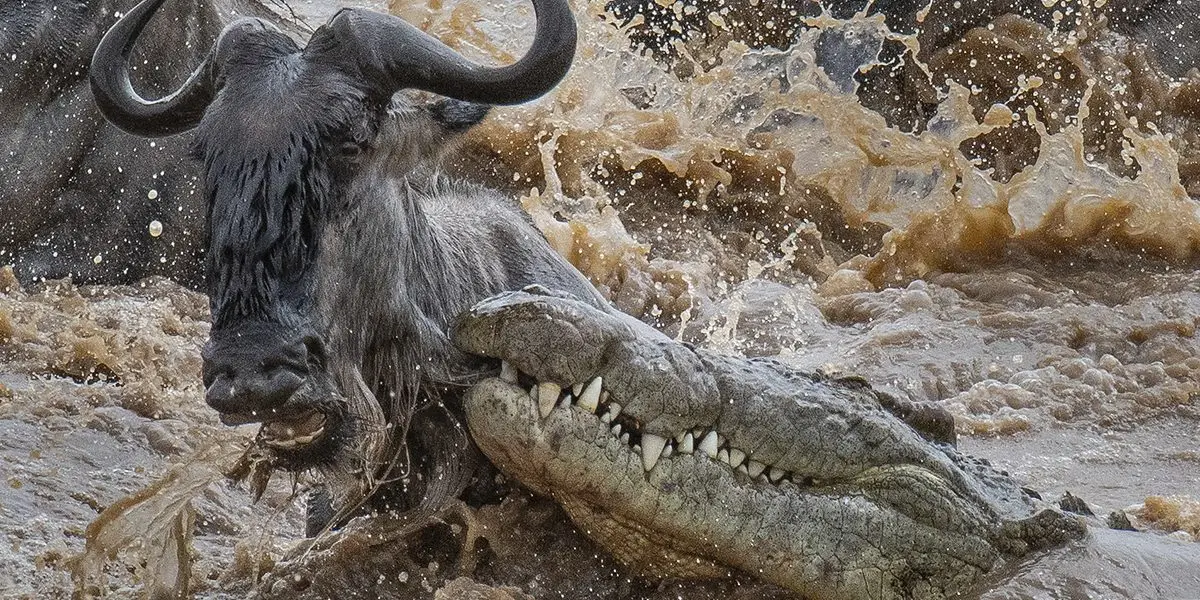
Masai Mara Great Migration Classic Safari 5 Days – Best Time to See River Crossings
Overview: 5‑day, guided Masai Mara reserve safari focused on peak migration river crossings with daily game drives and optional hot‑air balloon sunrise.
Best suits: First‑time wildlife travelers, photographers, bucket‑list hunters.
Highlights: Mara River crossing viewing points; Big Five drives; balloon safari; Maasai cultural visit.

Amboseli & Kilimanjaro View Safari — 3 Days
Overview: Short, high‑impact getaway focusing on Amboseli’s large elephant populations with Mt. Kilimanjaro panoramas and guided game drives.
Best suits: Short‑stay travelers, honeymoon add‑ons, and wildlife lovers with limited time.
Highlights: Elephant herds; photographic viewpoints of Kilimanjaro; sunrise/sunset drives
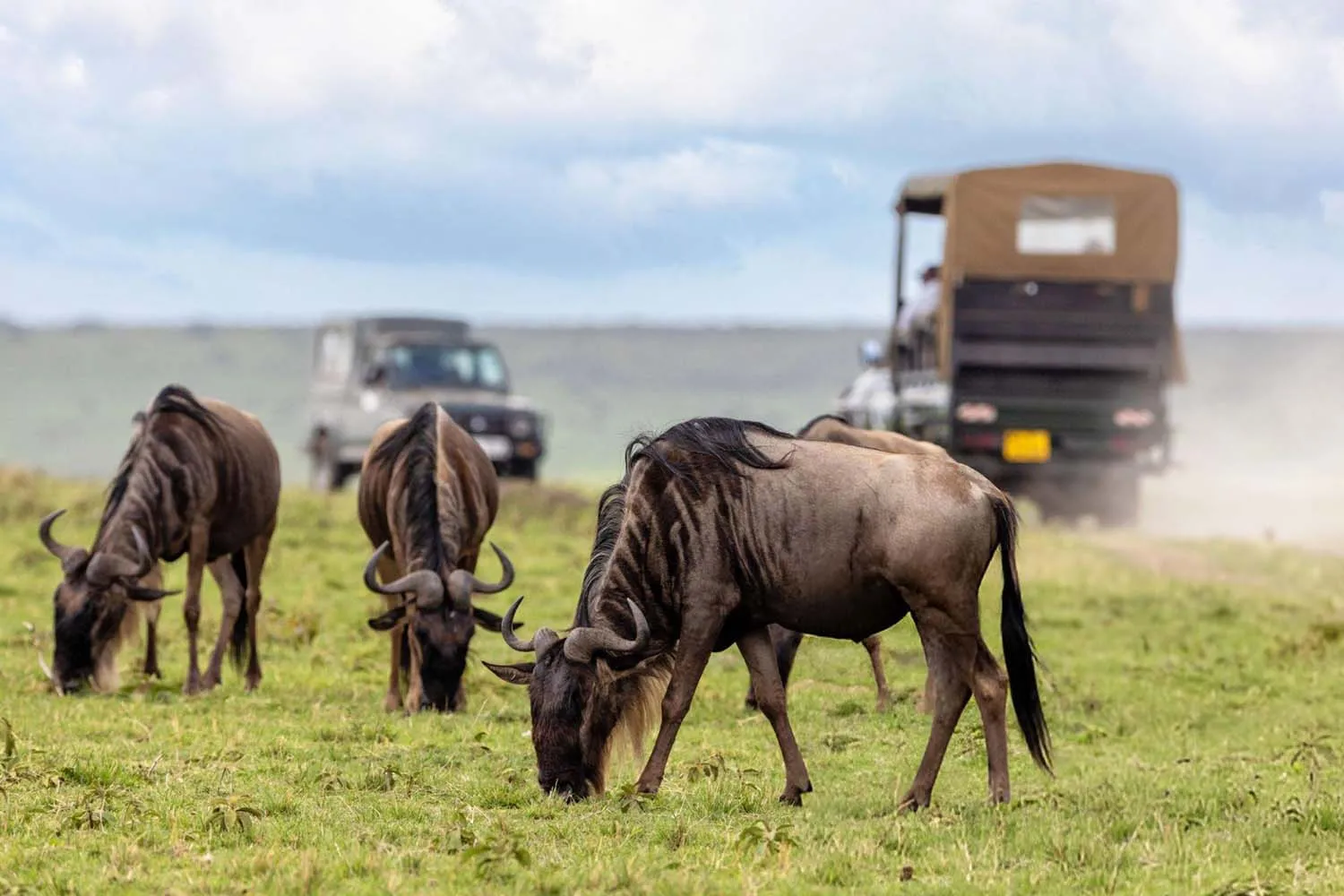
Masai Mara + Uganda Gorilla Trekking Combo — 12 Days
Overview: Masai Mara migration viewing then flight/transfer to Uganda for Bwindi gorilla trekking—Big Five + mountain gorillas in one East Africa circuit.
Best suits: First‑time wildlife travelers, photographers, bucket‑list hunters.
Highlights: Mara River crossing viewing points; Big Five drives; Gorilla Safaris, Batwa & Maasai cultural visit.

Ultra‑Luxury Masai Mara Conservancy Fly‑In Safari — 6 Days
Overview: Private conservancy stays (Olare Motorogi / private concessions), fly‑in transfers, bespoke guides, gourmet dining, and exclusive activities (private bush dinners, night drives where permitted).
Best suited for: Luxury travelers, honeymooners, and private groups.
- Highlights: Mara River crossing viewing points; Big Five drives; Gorilla Safaris, Batwa & Maasai cultural visit.
Budget Kenya Wildlife Adventure — 7 Days
Overview: Group departure, shared 4×4 transport, budget lodges/camps, guided game drives covering Mara, Nakuru, and Naivasha.
Best suits: Backpackers, solo travelers, budget couples, students.
Highlights: Shared game drives; basic but safe lodgings; migration season group departures to reduce per‑person cost.