
By Tribes Gorilla Trekking Tours | Uganda’s Gorilla Trekking Specialists
Reading time: approximately 13 minutes | Word count: 2,600+
Introduction: Why Packing Right Changes Everything
There is a particular kind of misery that comes from being on one of the greatest wildlife experiences of your life and spending it thinking about your wet socks, the sting on your arm from the nettles you walked through, or the blister that has been getting worse since the second hour of the trek.
There is also a particular kind of joy that comes from moving through the forest feeling prepared, comfortable, and free — free to look up, to listen, to fully inhabit the moment when a mountain gorilla turns and looks directly into your eyes.
The difference between those two experiences is, to a surprisingly large degree, what you packed.
Gorilla trekking in Uganda is not technically demanding in the way that serious mountaineering or expedition travel is. You do not need specialist equipment or an expensive kit list. But you do need the right things — and there are specific items that, if you leave them behind, will compromise your comfort, your safety, or the quality of your experience in ways that are entirely avoidable.
At Tribes Gorilla Trekking Tours, we brief every single client on what to pack before they travel. The list below is the distilled result of years of guiding trekkers through Bwindi Impenetrable Forest and Mgahinga Gorilla National Park — the things that matter, the things that do not, and the things that first-time trekkers almost always wish they had brought.
The Golden Rules Before You Start Packing
Before going through the specific items, three overarching principles will shape every decision you make about what to pack.
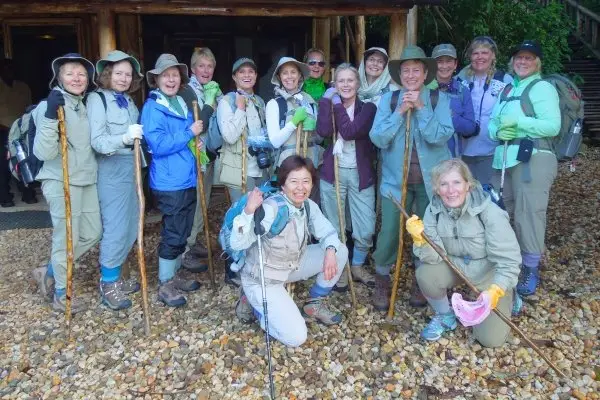
The first is that comfort and protection matter more than appearance. The forest does not care what you look like. Your clothing needs to protect you from vegetation, insects, moisture, and temperature changes — not to make you look good in photographs.
The second is that lighter is better, up to a point. You will be carrying your daypack for potentially several hours of active trekking. Every unnecessary kilogram in that pack is a kilogram of effort you are adding to your day. Pack what you need. Leave what you do not.
The third is that hiring a porter removes most of the weight concern entirely. Porters are available at all trekking sectors in both Bwindi and Mgahinga. For a modest fee — typically USD $15 to $20 for the day, plus your tip — a porter will carry your daypack, offer you a steadying hand on difficult terrain, and reduce the physical effort of the trek substantially. We recommend porter hire to every single client without exception, regardless of fitness level. It supports local employment, it is genuinely helpful, and it allows you to focus entirely on the experience rather than the exertion.
Clothing: What to Wear Into the Forest
Getting your clothing right is the most important packing decision you will make for gorilla trekking. Here is exactly what you need, and why.
Long-Sleeved Shirt
A long-sleeved shirt is not optional. It is mandatory. Your arms must be covered for the entire trek, without exception. The forest contains stinging nettles that will raise painful welts on bare skin, safari ants that bite, thorny vegetation that scratches, and insects that bite and sting. A long-sleeved shirt in a lightweight, breathable fabric — ideally moisture-wicking synthetic or merino wool — keeps all of these hazards away from your skin while managing the heat and humidity of the forest interior.
Choose earth tones: khaki, olive green, tan, grey, or brown. Avoid bright colours, which can unsettle wildlife. Avoid black and very dark blue specifically — these colours attract tsetse flies, which deliver a sharp, painful bite.
Long Trousers
For exactly the same reasons as the long-sleeved shirt, long trousers are mandatory. Lightweight, quick-drying hiking trousers are ideal — the kind that dry quickly when wet and do not cling uncomfortably to your legs as you sweat. Avoid jeans entirely. Denim is heavy, absorbs moisture, dries slowly, and restricts movement. Convertible trousers — those that zip off at the knee to become shorts — are useful for the approach drive but should stay as full trousers for the entire duration of the trek itself.
Warm Middle Layer
Bwindi sits at altitude — between 1,160 and 2,607 metres above sea level depending on the sector — and mornings in the forest can be surprisingly cool, particularly in the dry seasons when overnight temperatures drop. Mgahinga sits even higher. Bring a lightweight fleece, a thermal long-sleeve top, or a softshell jacket that you can layer over your trekking shirt during the pre-dawn drive to the park and the early part of the trek, then tie around your waist as you warm up.
Waterproof Rain Jacket or Poncho
A waterproof outer layer is non-negotiable regardless of the season you are trekking in. Uganda’s montane forests generate their own weather. Even in the heart of the dry season, brief rain showers occur. In the wet season, sustained rainfall is common. A lightweight, packable waterproof jacket — or a simple rain poncho if you prefer — keeps you dry and comfortable when the rain arrives. Wet clothes in a humid forest cool you down faster than you might expect and make a long trek genuinely unpleasant.
Gaiters
Gaiters are underrated and underused by first-time gorilla trekkers and then immediately purchased by anyone who treks without them. These simple fabric or neoprene coverings strap around your lower leg from boot to knee and serve three functions: they keep mud and water out of the top of your boots, they prevent safari ants from climbing up inside your trousers, and they reduce the sting of nettles on your lower legs. In the wet season, gaiters are essential. In the dry season, they are still very useful. Pack them.
Underwear and Base Layers
Moisture-wicking underwear makes a significant difference on a long, sweaty trek. Cotton underwear holds moisture against your skin and increases the risk of chafing over several hours of active movement. Synthetic or merino wool base layers manage moisture more effectively and dry much faster.
Extra Socks
Pack at least one spare pair of warm, moisture-wicking hiking socks inside a waterproof bag in your daypack. Wet feet on a long trek are uncomfortable and can lead to blisters. Being able to change into dry socks at the end of the trek — or at a rest stop if conditions are very wet — is one of the small luxuries that makes a large difference to your overall comfort.
Footwear: The Single Most Important Item You Will Pack
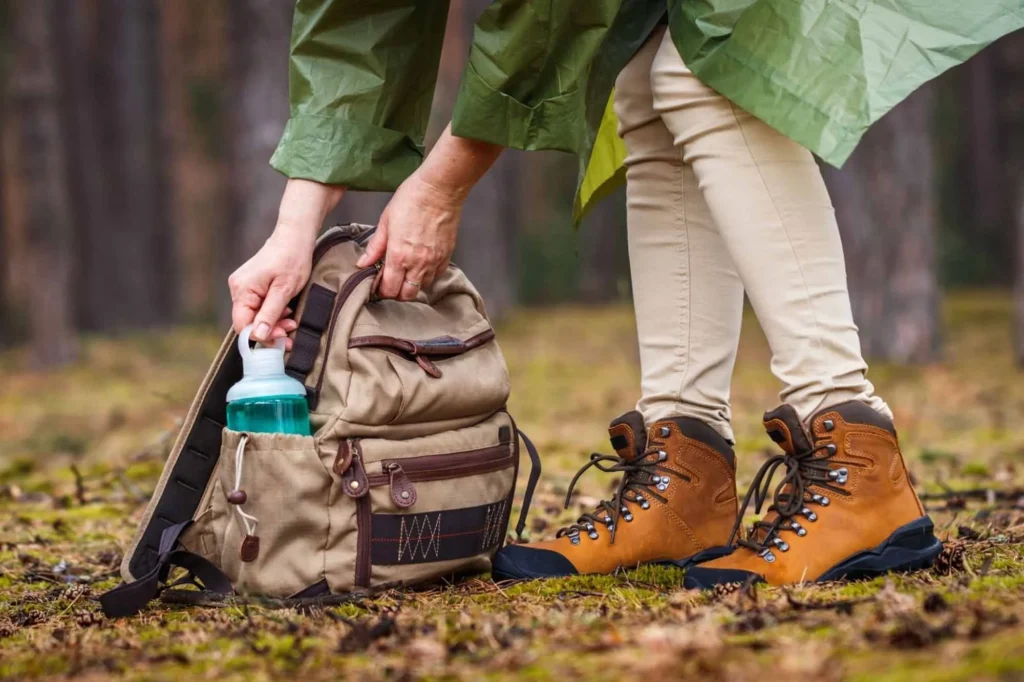
If there is one item on this entire list that deserves the most careful thought, it is your footwear. More gorilla trekkers are let down by their footwear than by any other single piece of kit.
Waterproof Hiking Boots With Ankle Support
Sturdy, waterproof hiking boots with good ankle support are what you need. Not trail running shoes. Not walking sandals. Not casual sneakers. Proper hiking boots with a stiff, grippy sole, waterproofing built into the upper, and ankle support that prevents rolling on uneven terrain.
The terrain in both Bwindi and Mgahinga is consistently uneven: root-crossed forest floors, steep muddy slopes, slippery rocks, and narrow trails that require precise foot placement. Ankle support is not a luxury in this environment — it is the thing that prevents a twisted ankle from ending your trek and possibly the rest of your Uganda trip.
Waterproofing matters even in the dry season. Morning dew, stream crossings, and the inherent dampness of a montane forest mean that non-waterproof footwear will be wet within the first hour of any trek.
Break Them In Before You Travel
This point cannot be overemphasised. New boots cause blisters. Boots that have not been worn before will begin to rub on your heels, toes, and ankles within an hour of walking — and a gorilla trek can last anywhere from two to eight hours of walking time in total. Wear your boots on multiple long walks before you travel. They should be genuinely comfortable — not just tolerable — before you put them on for your trekking day.
What About Rental Boots?
Rubber wellington boots — commonly called gumboots in Uganda — are available for rent at all trekking sectors, typically at a very modest cost. They provide excellent mud and water protection and are surprisingly effective in the wet season. However, they offer limited ankle support and can be uncomfortable over longer treks. We recommend bringing your own proper hiking boots and treating the gumboot rental as a backup option for very wet conditions only.
Your Daypack: What to Carry and How to Pack It
A 20 to 30 litre daypack is the ideal size for gorilla trekking. Large enough to carry everything you need, small enough not to become a burden on the trail. If you have hired a porter — and you should — they will carry this pack for you, which removes the size and weight concern almost entirely.
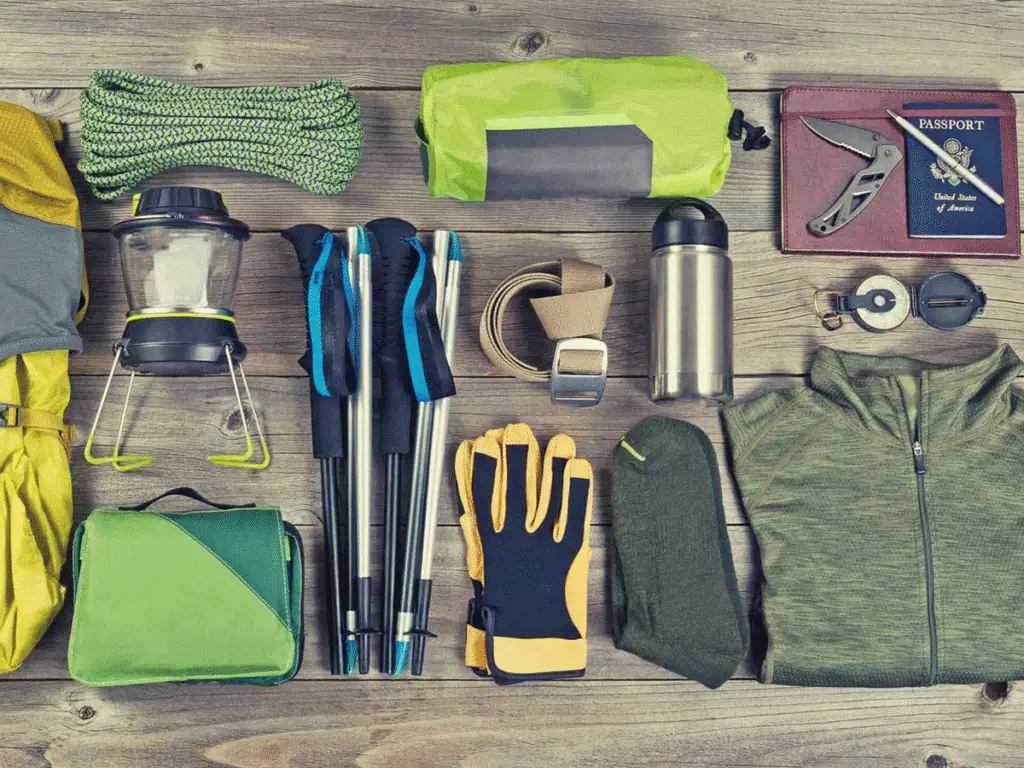
Here is what should be inside it.
Water — At Least Two Litres
Hydration is critical during any physical activity in a tropical environment. You will sweat more than you realise, even when the air feels cool under the forest canopy. Carry a minimum of two litres of water, either in bottles or in a hydration reservoir with a drinking tube. A hydration reservoir is preferable for trekking because it allows you to drink without stopping to open and close a bottle — but either works well. Do not rely on finding clean water in the forest.
High-Energy Snacks
The morning briefing typically takes place at 7:00 to 8:00 am, and the trek can last until early afternoon. Carry enough food to sustain your energy throughout. Practical, non-perishable options include trail mix with nuts and dried fruit, energy bars or granola bars, a banana or two, and chocolate. Avoid anything with a strong smell that might attract gorilla attention or that will melt, crush, or spoil in a warm, humid pack.
Importantly, all food must be stored away and out of sight before you enter the presence of the gorillas. Do not eat or drink anything during the one-hour gorilla visit.
Your Camera and Photography Equipment
A camera with a zoom lens — ideally a 100mm to 400mm range — gives you the flexibility to photograph gorillas at close range and from a respectful distance. If you are using a smartphone, its camera is genuinely capable of excellent gorilla photographs in good light, particularly for the bright, open moments when gorillas feed in clearings or rest in sunlit patches.
Flash photography is absolutely prohibited at all times. It startles the gorillas and is a serious violation of trekking rules. Set your camera to no-flash before you enter the forest and do not change it.
Carry spare batteries and memory cards. Cold, damp conditions can drain batteries faster than normal. There is no opportunity to charge equipment in the forest, and discovering a dead battery when a silverback is three metres away is a regret that lasts a long time.
A waterproof camera bag or dry bag insert for your pack is worth having, particularly in the wet season.
Trekking Poles
Trekking poles are not mandatory but they are genuinely useful, particularly on the steep descent sections of the trek where your knees will thank you, and on muddy, slippery uphill sections where an extra point of stability makes a real difference. Collapsible trekking poles pack easily into checked luggage. If you do not bring your own, basic wooden staffs are typically available at the trekking sector starting points for a minimal cost.
Insect Repellent
Apply a good quality insect repellent — preferably one containing DEET — to any exposed skin before you enter the forest. Even with full-length clothing covering your arms and legs, your face, neck, and hands may be exposed. Tsetse flies are active during daylight hours and their bite is immediate and unpleasant. Mosquitoes are present at lower elevations. Repellent significantly reduces your exposure to both.
Sunscreen
Apply sunscreen to your face, neck, and any other exposed skin before the trek. The approach drive to the park often involves time in open vehicles, and even under forest cover, UV exposure adds up over a long day. Choose a sweat-resistant formula that will stay effective during physical activity.
Personal First Aid Kit
A small personal first aid kit should include: plasters and blister treatment, an antiseptic wipe or cream for any cuts or scratches from vegetation, any personal prescription medication you are taking, antihistamine tablets for allergic reactions, and oral rehydration salts if you are prone to dehydration. The park rangers carry first aid equipment, but having your own basics means you can deal with small issues — a blister, a cut — immediately without interrupting the group.
Malaria Prophylaxis
If you are taking anti-malarial medication — which is strongly recommended for travel to Uganda — ensure you have taken it according to the prescribed schedule before your trekking day. Do not forget doses. Consult your doctor or a travel health clinic well before your departure date about the appropriate prophylaxis for Uganda.
Your Gorilla Trekking Permit
Keep your gorilla trekking permit accessible — not buried at the bottom of your pack. It will be checked at the morning briefing and potentially again at the park gate. A waterproof document wallet or zip-lock bag is useful for keeping it dry on wet days.
Cash for Tips
Tipping your ranger guide, trackers, and porter at the end of the trek is expected and deeply appreciated. Cash in Ugandan Shillings or US Dollars is appropriate. Suggested amounts are covered in our broader Uganda travel guide, but as a general indication, USD $15 to $30 per guide and USD $10 to $20 per porter is a reasonable range for a standard trek.
Small Towel or Bandana
A small quick-dry towel or bandana has multiple uses: wiping sweat from your face, cleaning your hands, drying your camera lens, or providing a clean surface to sit on during rest stops. It takes up almost no space and weighs almost nothing.
What NOT to Bring Into the Forest
Some items should be left behind entirely, either because they are prohibited, because they create unnecessary weight, or because they will not survive the forest conditions.
Do not bring food with strong smells — processed snacks with strong artificial aromas, heavily spiced foods, or anything with a penetrating odour can attract attention from the gorillas in unpredictable ways.
Do not bring bright-coloured clothing or accessories. We have covered the reasons already, but it is worth repeating: earth tones only.
Do not bring perfume, cologne, or strongly scented personal products. Strong artificial scents are out of place in the forest and may disturb the gorillas. Use unscented or lightly scented deodorant on trekking day.
Do not bring a large suitcase or roll-on luggage to the trekking sector. This sounds obvious, but it happens. Your suitcase stays at your lodge. Your daypack goes into the forest.
Do not bring valuables beyond your camera and phone. Expensive jewellery, large amounts of cash beyond tipping money, and irreplaceable personal items have no useful role in the forest and create unnecessary stress about loss or damage.
Do not bring anything with a flash — including some ring lights and video lights that attach to smartphones. Flash is prohibited without exception and you do not want to be the person in your group who accidentally fires a flash in front of a silverback.
A Complete Quick-Reference Packing Checklist
For easy reference, here is the complete packing list in summary form.
Clothing: long-sleeved shirt in earth tones, long lightweight trekking trousers, warm fleece or softshell jacket, waterproof rain jacket or poncho, moisture-wicking underwear, and at least two pairs of moisture-wicking hiking socks.
Footwear: waterproof hiking boots with ankle support that are fully broken in, and gaiters.
Daypack contents: minimum two litres of water, high-energy snacks, camera with zoom capability and spare batteries and memory cards, trekking poles if desired, insect repellent containing DEET, broad-spectrum sunscreen, personal first aid kit, malaria prophylaxis taken on schedule, gorilla trekking permit in a waterproof sleeve, cash in USD or UGX for tips, and a small quick-dry towel or bandana.
Optional but recommended: a waterproof bag liner for your daypack, a spare dry layer in a zip-lock bag, and a small notebook if you want to record your observations during the trek.
A Note on Photography: Experience First, Camera Second
We include this in every client briefing because it matters enormously and is consistently overlooked in the excitement of the moment.
The hour you spend with the gorillas passes very quickly. It passes faster than you will believe possible. And there is a real risk — one we have seen many times — of spending that hour almost entirely looking through a viewfinder or at a phone screen, capturing the experience rather than having it.
Take your photographs. You will cherish them. But also put the camera down. Look with your own eyes, without a screen between you and the gorillas. Let the moment land in you directly, without the mediation of a lens. The memory you form this way — the raw, unfiltered memory of a silverback’s gaze, or a baby gorilla’s play, or the quiet authority of a mother watching her young — is more vivid, more lasting. Bwindi vs Mgahinga
The best photographs often come from the moments when you are most relaxed and present — not from anxiously hunting for the perfect shot. Settle in. Breathe. Watch. The photographs will come.
Let Tribes Take Care of the Rest
Packing the right kit is your preparation. Everything else — the permits, the transport, the accommodation, the guide, the briefing, the on-the-ground logistics — is what Tribes Gorilla Trekking Tours handles for you. permit cost guide
We brief every client thoroughly before travel, answer every question about preparation and packing personally, and ensure that when you step out of the vehicle at the park headquarters on your trekking morning, you feel ready, calm, and excited for what is ahead. complete gorilla trekking guide
This is our life’s work. Giving you the gorilla trekking experience of a lifetime is what we do every single day. Let us do it for you. contact and booking page
Email: info@tribesgorillatrekkingtours.com
WhatsApp: +256 757 291 063
Contact us today. We respond personally, seven days a week.
Tribes Gorilla Trekking Tours is a fully licensed Ugandan tour operator registered with the Uganda Tourism Board and the Association of Uganda Tour Operators. We operate across Bwindi Impenetrable National Park, Mgahinga Gorilla National Park, Murchison Falls National Park, Queen Elizabeth National Park, Kidepo Valley National Park, and Lake Mburo National Park.