
Kidepo Valley National Park: Uganda’s Most Remote and Spectacular Wilderness Explained
By Tribes Gorilla Trekking Tours | Uganda’s Bush Safari Authority
Reading time: approximately 17 minutes | Word count: 3,500+
Introduction: The Park That Changes the Way You Think About Safari
There are national parks that are famous. There are national parks that are popular. And then, very rarely, there are national parks that are transformative — places so remote, so visually overwhelming, so untouched by the machinery of mass tourism that the experience of visiting them does not just satisfy your appetite for wildlife and wilderness but fundamentally reconfigures your understanding of what a wild place can be.
Kidepo Valley National Park is that kind of place.
Located in the Karamoja region of Uganda’s extreme northeastern corner, bordering South Sudan to the north and Kenya to the east, Kidepo is by any objective measure one of the most extraordinary national parks in Africa. It covers 1,442 square kilometres of semi-arid savannah, rugged mountain terrain, and ancient river valleys in a landscape that looks, feels, and sounds like Africa before the modern world arrived. The mountains rise from the valley floors in dark, ancient ridges. The rivers run seasonal and wide between banks of white sand. The plains spread away from the park headquarters in every direction under a sky that is — because Kidepo has no light pollution, no industry, no city within hundreds of kilometres — the deepest, most star-saturated sky you will ever stand beneath.
The African Travel and Tourism Association has voted Kidepo one of Africa’s top wilderness destinations. Numerous safari authorities and travel publications have described it as Uganda’s finest national park — a claim that provokes spirited debate among lovers of Bwindi and Murchison Falls, but one that anyone who has visited Kidepo finds very difficult to argue with.
At Tribes Gorilla Trekking Tours, Kidepo is a park we approach with something close to reverence. It is not our easiest destination to reach. It is not our most visited. But it is, in the considered judgment of our most experienced guides and our most widely travelled clients, the park that delivers the purest, most complete, most overwhelming wilderness experience available anywhere in Uganda — and arguably anywhere in East Africa.
This is the complete guide to Kidepo Valley National Park. Everything you need to understand, plan, and experience Africa’s greatest secret.
Where Is Kidepo Valley National Park?
Kidepo Valley National Park occupies the extreme northeastern corner of Uganda, in the Karamoja sub-region — a vast, semi-arid plateau that stretches from the slopes of Mount Moroto in the south to the South Sudan border in the north. The park sits in two river valleys — the Kidepo Valley to the north and the Narus Valley to the south — separated by the Narus plateau and surrounded on three sides by international borders.
To the north, the park borders South Sudan across the Timu Forest. To the east, it faces Kenya across the semi-arid plains of the Turkana basin. To the west, the Karamoja plateau extends toward the rest of Uganda in a landscape of extraordinary emptiness and beauty that is unlike anything in the country’s more visited regions.
The nearest major town of any significance is Kitgum, approximately 165 kilometres south of the park by road. Kampala is approximately 700 kilometres away — a journey of ten to twelve hours by road that passes through some of Uganda’s most varied and dramatic landscape: the fertile central plateau, the flat agricultural plains of Lira, the increasing aridity of the Karamoja approach, and finally the mountains and valleys of the park itself.
This remoteness is not incidental to the Kidepo experience. It is fundamental to it. The distance you travel to reach Kidepo is part of what makes arriving there feel like genuine discovery.
The Landscape: Semi-Arid Savannah and Ancient Mountains
The landscape of Kidepo Valley National Park is unlike anything else in Uganda and unlike most of what most travellers associate with East African safari — and this difference is precisely what makes it so compelling.
The Narus Valley
The Narus Valley forms the southern portion of the park and is where the Uganda Wildlife Authority’s Apoka headquarters and the park’s accommodation are located. It is the primary game-viewing area of the park, particularly during the dry season when the Narus River — one of the only permanent water sources in the region — draws wildlife from across the entire park ecosystem.
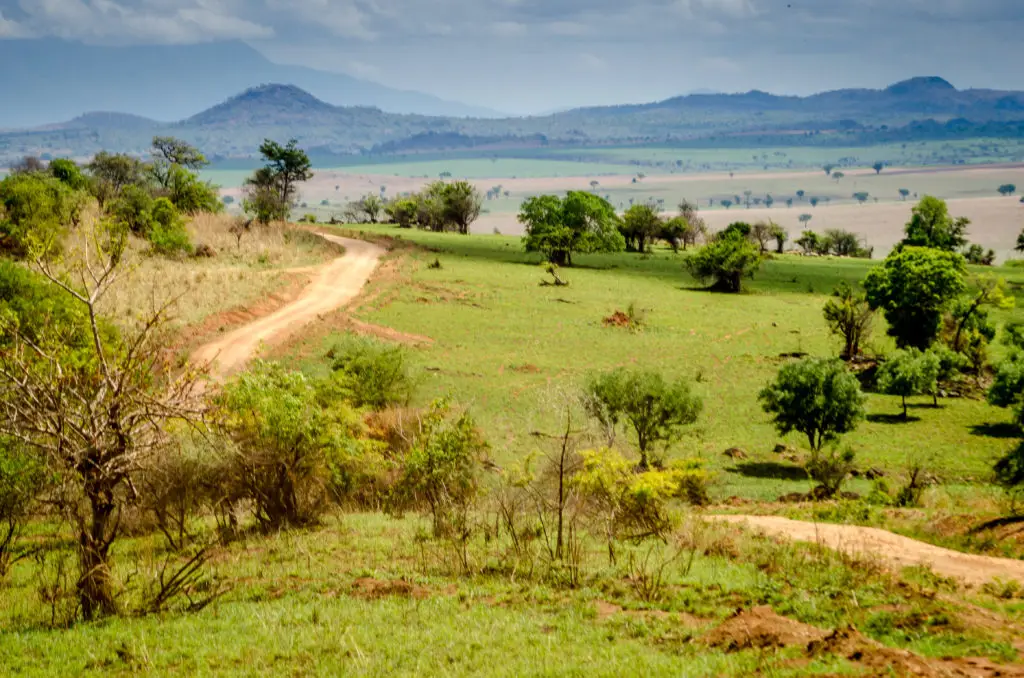
The valley floor is open and broad, an expanse of dry savannah grassland interspersed with acacia woodland and rocky outcrops that could, at certain times of day in certain qualities of light, be mistaken for the landscapes of southern Ethiopia or northern Kenya. It is emphatically not the lush, green Uganda of Bwindi or Queen Elizabeth. It is drier, starker, more austere — and in its austerity it achieves a beauty that is more confrontational and more demanding than the softer beauty of Uganda’s southern parks.
The Narus Valley’s dry-season wildlife concentration is one of the most spectacular in Uganda. As the water sources across the wider landscape fail through the long dry months, every animal within range of the permanent water in the valley floor is drawn inexorably toward it. The result is a density and diversity of wildlife around the Narus River that rivals the most celebrated game-viewing areas in East Africa — achieved without the vehicles, the lodges, the infrastructure, or the visitor numbers that those more famous areas carry.
The Kidepo Valley
The Kidepo Valley itself — the northern valley from which the park takes its name — is a wider, drier, more dramatic landscape than the Narus. The Kidepo River is seasonal and runs only during and immediately after the rains, leaving a broad expanse of white sand between its banks for most of the year. The valley is dominated by the Morungole Mountain range to the south and by the dramatic escarpment that marks the South Sudan border to the north.
Game driving in the Kidepo Valley requires a longer drive from the Apoka headquarters and is typically conducted as a full-day excursion. The wildlife encountered here is often different from the Narus Valley fauna — cheetah, which are absent from the Narus, have been recorded in the Kidepo Valley, and the more remote, less-visited nature of this area means that wildlife encounters carry a quality of genuine discovery that is rare even by Kidepo’s already exceptional standards.
The Mountains
Kidepo is a mountain park in a way that none of Uganda’s other national parks quite are. The Timu Forest to the north, the Morungole range to the south, and the various subsidiary ridges and escarpments that define the park’s boundaries give the landscape a vertical drama that the flat-floored savannah parks of the south cannot match.
The mountains around Kidepo are ancient, dark, and deeply atmospheric. They are not covered in the dense, layered forest of Bwindi — the vegetation at these elevations in semi-arid Karamoja is drier and more open — but they carry their own particular beauty: the way the light moves across them in the early morning and late afternoon, the way the clouds build against them in the wet season, the way they turn dark violet against the orange of a Karamoja sunset.
The Wildlife: What You Will Find in Kidepo
Kidepo Valley National Park supports wildlife species and ecological communities that are found nowhere else in Uganda, and this uniqueness is one of the most compelling reasons to make the journey to this remote corner of the country.
Species Found Only in Kidepo in Uganda
This is Kidepo’s most extraordinary characteristic, and it is one that many travellers do not know before they visit. A significant number of the park’s mammal species are found nowhere else in Uganda — animals that in Uganda exist exclusively within the boundaries of Kidepo Valley National Park.
The cheetah is the most celebrated of these exclusives — the fastest land animal on Earth, a species that has disappeared from most of its former East African range but that maintains a small and precious population in the Kidepo and wider Karamoja landscape. Cheetah sightings in Kidepo are not frequent — these animals exist at low densities even in their strongholds — but they occur, and the possibility of watching a cheetah hunt on the open Karamoja plains is one of the most extraordinary wildlife prospects available anywhere in Uganda.
The caracal — a medium-sized wild cat with distinctive tufted ears and a coat of short, dense, reddish-gold fur — is present in Kidepo and essentially absent from Uganda’s other parks. Like the cheetah, it is not commonly seen, but it is there, and its presence adds to the park’s remarkable felid diversity.
The striped hyena — Africa’s smaller, more secretive, and considerably more endangered hyena species — is present in Kidepo. Unlike the spotted hyena, which is widespread across Uganda’s savannah parks, the striped hyena is a species of the semi-arid north, and Kidepo represents its only Ugandan stronghold.
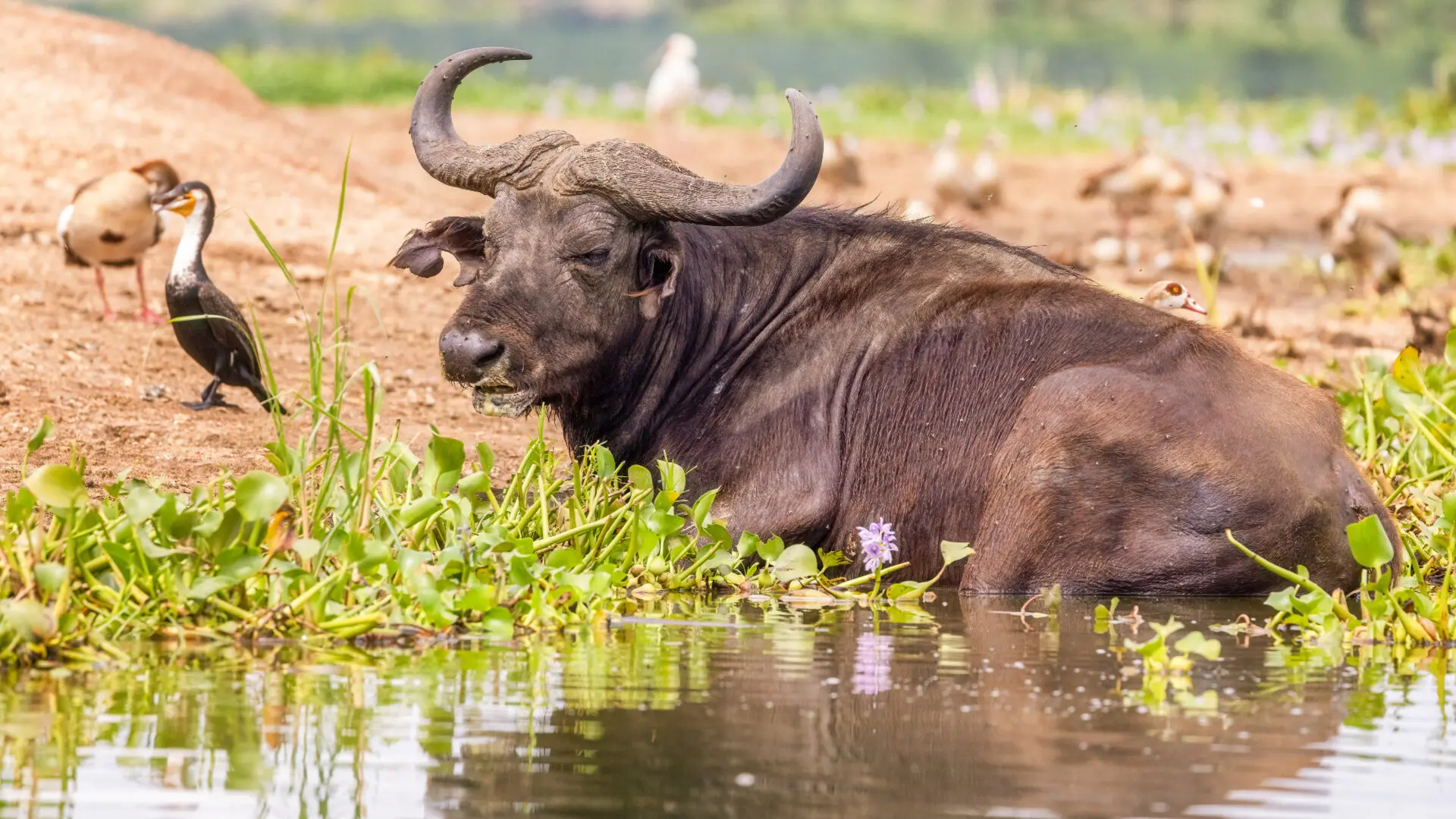
Bat-eared foxes, aardwolves, greater and lesser kudus, Beisa oryx on the fringes of the park’s northern boundary, Günther’s dik-dik — these are species that define the semi-arid ecosystems of the Horn of Africa and that, within Uganda, exist only here. A wildlife list that includes all of these species alongside the more familiar East African savannah fauna — lion, leopard, elephant, buffalo, giraffe, zebra, warthog, oribi, hartebeest, reedbuck — is a list of extraordinary diversity and distinction.
Lions
Kidepo supports one of Uganda’s most important lion populations, and the lions here — living in a landscape that is drier, more demanding, and more genuinely wild than the savannah parks of the south — have a character that reflects their environment. They are lean, watchful, and conspicuously wild in a way that more park-habituated lion populations in Uganda sometimes are not. Encounters with Kidepo’s lions on the open Narus Valley grassland, with the mountains rising on the horizon and no other vehicle in sight, carry a quality of genuine wilderness that is increasingly rare in East African wildlife travel.
Elephants
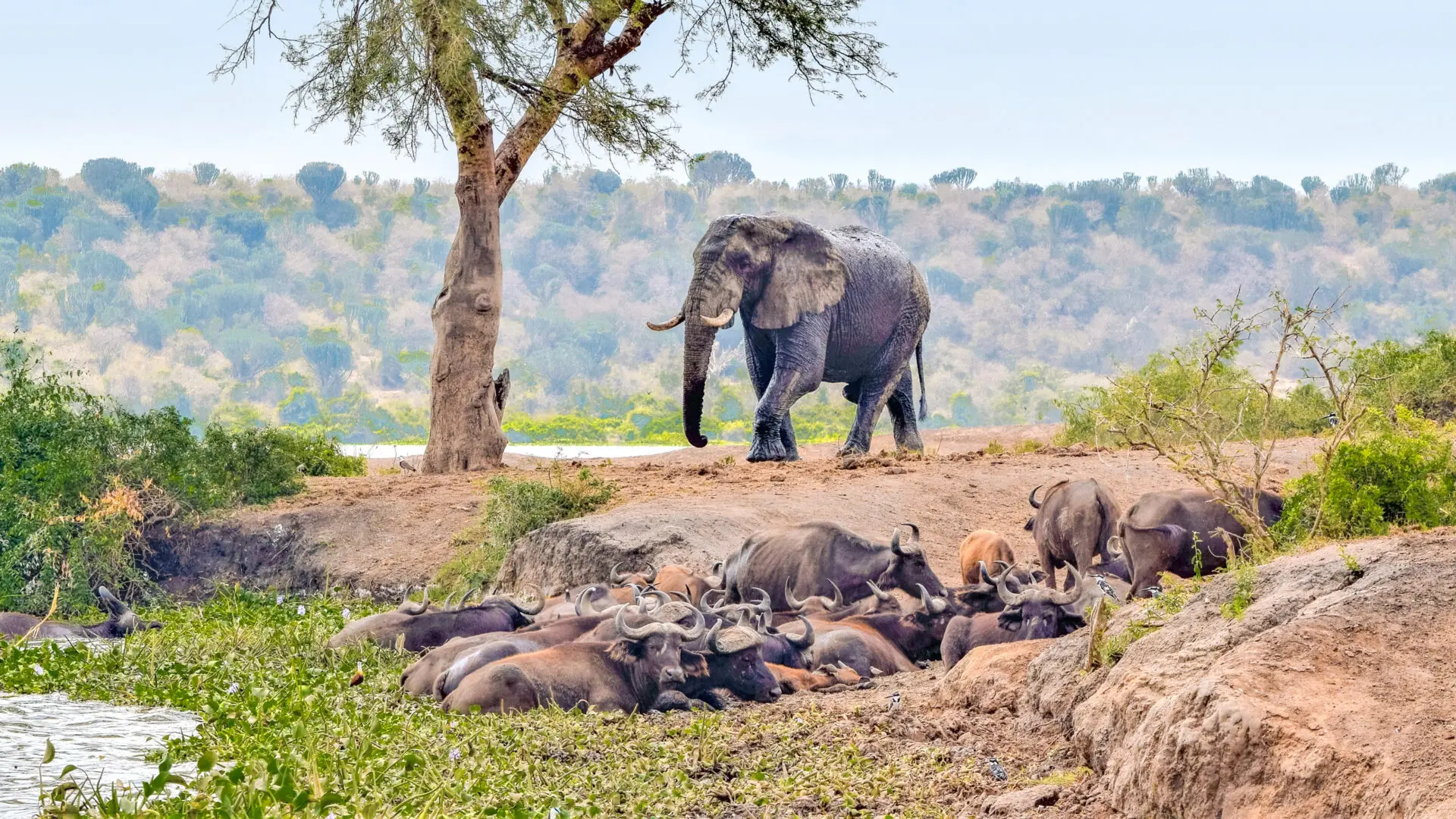
The elephant population of Kidepo Valley National Park has had a turbulent history. The park’s herds were devastated by poaching during Uganda’s political upheavals of the 1970s and 1980s, and further affected by the insecurity of the Karamoja region during subsequent decades. The population has recovered significantly with improved security and UWA management, and today Kidepo’s elephants — seen moving across the open valley floor against the backdrop of the surrounding mountains — represent one of the most visually dramatic elephant experiences available in Uganda.
Zebra
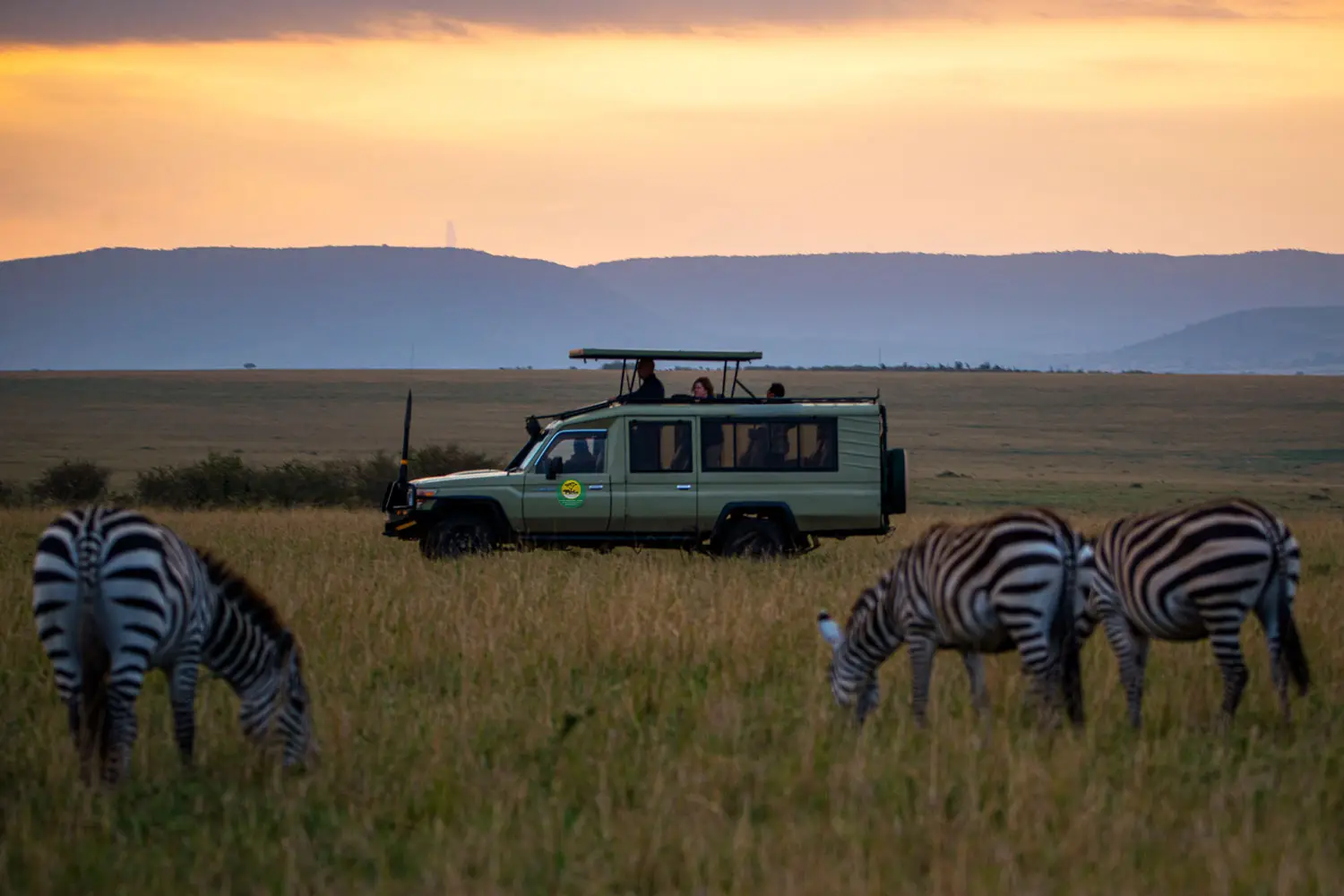
Plains zebra are present in Kidepo and absent from all of Uganda’s southern national parks — another species that defines the semi-arid northern ecosystem. Seeing zebra in Uganda is, for most visitors, an unexpected and delightful surprise, and the sight of a zebra herd on the open savannah of the Narus Valley against the backdrop of Kidepo’s mountains is one of the park’s most memorable wildlife images.
Rothschild’s Giraffe
The Rothschild’s giraffe — one of the most endangered giraffe subspecies in the world — is present in Kidepo as well as in Murchison Falls. The Kidepo population moves through the park’s acacia woodland and the open valley floors, and giraffe sightings, while not guaranteed, are relatively frequent on morning game drives in the Narus Valley area.
Birds: Over 475 Species
Kidepo Valley National Park supports over 475 recorded bird species — an extraordinary total for a park of its size and dryness, and a reflection of the ecological diversity created by the park’s position at the junction of the East African and Ethiopian faunal zones.
The park’s bird community contains a significant number of species that are restricted to the arid north and found nowhere else in Uganda: the ostrich — Uganda’s only wild ostrich population — the Abyssinian roller, the fox kestrel, the white-billed starling, the black-winged lovebird, and various larks, chats, and wheatears that are specialists of the semi-arid Karamoja landscape.
For birders, Kidepo represents a genuinely unique opportunity within Uganda — a park where the bird list contains species that cannot be seen anywhere else in the country regardless of how many other parks are visited. A dedicated birding day in Kidepo, with our specialist birding guide, typically delivers fifteen to twenty species that are new to any Uganda bird list compiled in the southern parks.
The Karamoja People: A Cultural Dimension Like No Other
Any honest and complete account of the Kidepo Valley National Park experience must include the Karamojong — the semi-nomadic pastoralist people of the Karamoja region, whose culture, history, and relationship with this landscape is as extraordinary as the landscape itself.
The Karamojong are one of the last genuinely pastoral, cattle-dependent cultures in East Africa — a people whose identity, wealth, social structure, spiritual life, and daily existence are organised entirely around their cattle herds. They are related to the Maasai of Kenya and Tanzania and to the Turkana of northern Kenya, and they share with these peoples a proud, independent cultural tradition that has resisted external pressure and modernisation with a consistency that is both remarkable and, depending on your perspective, inspiring.
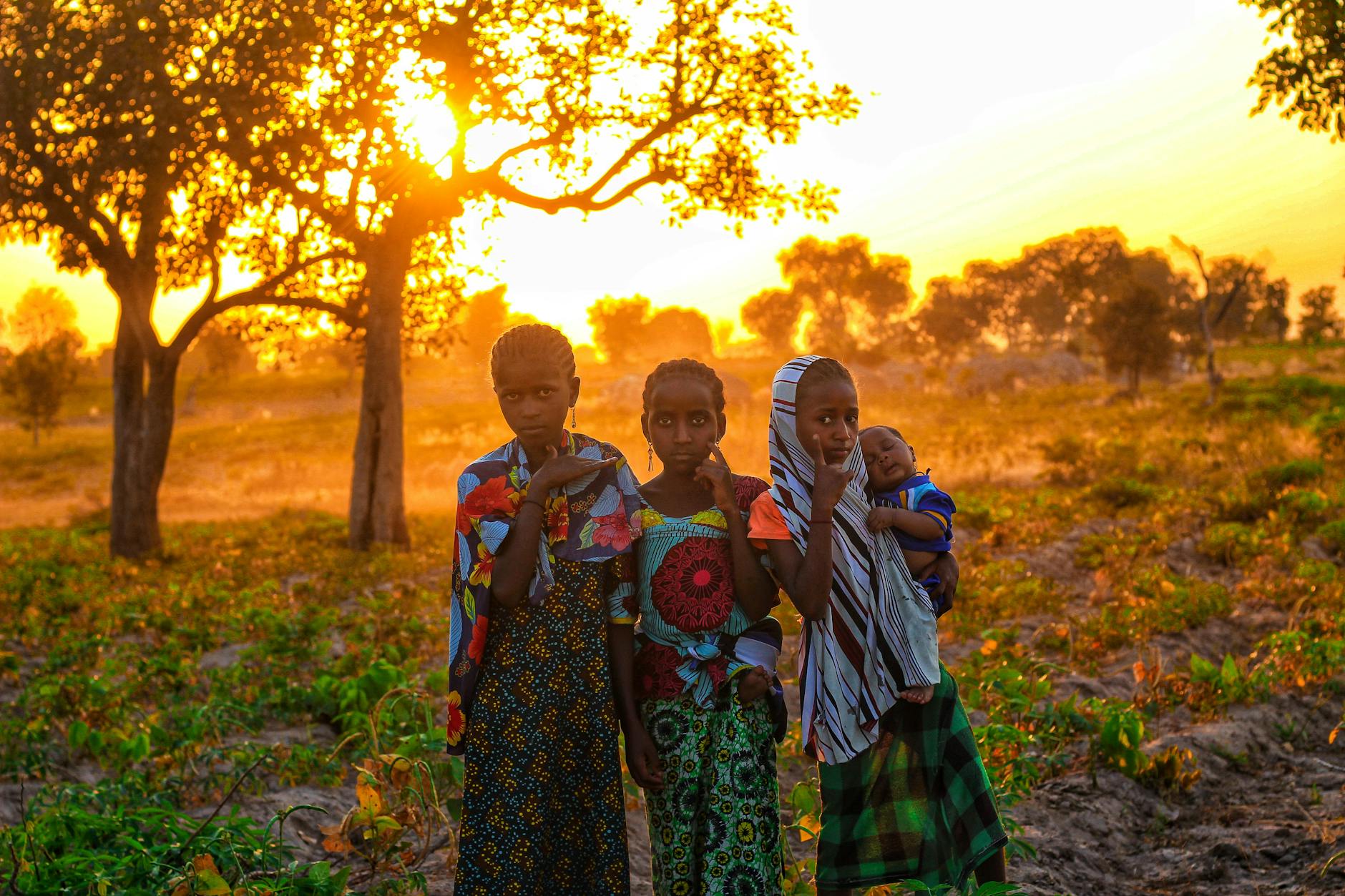
The Karamojong men are tall, lean, and striking in appearance — traditionally wearing a short cloth thrown over one shoulder and carrying a small wooden stool that serves both as a walking staff and a portable seat. The women are elaborately adorned with beaded jewellery of extraordinary intricacy, covering their necks, arms, and ankles in layers of colour and pattern that represent both aesthetic preference and social communication — conveying marital status, age, and clan affiliation to those who know how to read it.
Visiting a Karamojong village — a kraal of circular mud-walled, thatched-roof homes arranged around a central cattle enclosure — is one of the most genuine and affecting cultural experiences available anywhere in Uganda. The community visits arranged by Tribes Gorilla Trekking Tours through our established community partnerships are conducted with full community consent, with fees paid directly to the community, and with a genuine commitment to respectful, non-extractive engagement.
The Karamojong relationship with the land around Kidepo is ancient and complex — they have coexisted with its wildlife for centuries, managing a livelihood in a semi-arid landscape that requires deep ecological knowledge and considerable physical resilience. Understanding something of their story adds an irreplaceable human dimension to the Kidepo wilderness experience and makes the park’s landscape feel less empty and more layered with the history and presence of human life.
Getting to Kidepo Valley National Park
Kidepo is Uganda’s most remote national park, and getting there requires either a commitment to an overland journey of real length or the logistical elegance of a domestic flight. Both options have their own character and their own advantages.
By Domestic Flight
Flying to Kidepo is the option we most frequently recommend to clients, and it transforms the accessibility of the park entirely. Chartered flights from Entebbe or Kajjansi airstrips near Kampala land directly at Apoka airstrip within the park, a flight of approximately one to one and a half hours that covers the 700 kilometres between Kampala and Kidepo in a fraction of the time required by road.
From the aircraft, the approach to Kidepo is itself an experience: the flat agricultural plains of central Uganda give way to the increasingly dramatic topography of the north — the Acholi hills, the Agoro escarpment, and then the sudden opening of the Kidepo and Narus valleys below, the mountains framing them, the savannah spreading away in every direction in a landscape that looks, from the air, empty and entirely magnificent.
Chartered flights to Kidepo are arranged through Tribes as part of your overall Kidepo package and are the most efficient, most comfortable, and most dramatic way to arrive at the park. We handle all flight logistics on your behalf.
By Road
The overland journey to Kidepo from Kampala is long — ten to twelve hours on a route that has improved significantly in recent years with ongoing road construction in the Karamoja region but that still requires a capable four-wheel drive vehicle and a realistic expectation of a full day’s travel. The route passes through Gulu — the largest city in northern Uganda and an important stop for fuel and refreshment — and then continues northeast through the Acholi sub-region to Kitgum, and from Kitgum the final approach to the park through the Karamoja landscape.
The drive is not merely a transit. The northern Uganda landscape through which it passes — the flat, tree-dotted plains of Acholi, the increasing aridity of the Karamoja approach, the sudden appearance of the Timu Forest and the mountain ridges that announce the park’s proximity — is genuinely beautiful and significantly different from the landscapes of central and southern Uganda. Travellers who drive to Kidepo typically arrive with a richer sense of Uganda’s geographical diversity than those who fly, and the journey itself becomes part of the experience.
For clients with the time and the inclination, the overland approach to Kidepo is a journey we fully support and can arrange with comfortable vehicles and knowledgeable drivers who make the transit interesting rather than merely functional.

When to Visit Kidepo Valley National Park
The seasonal patterns at Kidepo differ significantly from those of Uganda’s southern parks, reflecting the semi-arid character of the Karamoja climate.
Dry Season: December to March and June to August
The dry seasons are the best time for game viewing in Kidepo — and the reasons are particularly dramatic here given the park’s semi-arid character. As the landscape dries and the seasonal water sources fail, wildlife concentrates around the permanent water of the Narus River with a density and a urgency that the moister southern parks never quite replicate. During the peak dry months, the Narus Valley offers game viewing of a quality and an intimacy that is genuinely comparable to the best of East Africa’s more famous wildlife destinations.
June through August is the primary peak season and combines excellent game viewing with the cool, dry conditions that make overland travel and outdoor activities most comfortable. This period sees the highest visitor numbers for Kidepo — though “highest visitor numbers” in Kidepo terms means something very different from the same phrase applied to the Serengeti or the Masai Mara. Even at peak season, the chances of having a major wildlife sighting entirely to yourself — no other vehicle, no other human presence in any direction — are excellent.
December through March offers similarly excellent game viewing and is particularly good for the dry-season bird communities of the Karamoja landscape.
Wet Season: April to May and September to November
The wet season in Kidepo transforms the landscape in ways that are beautiful but that make game viewing more challenging. The rains turn the valley floors green virtually overnight — the dry, golden grassland becomes vivid emerald within days of the first substantial rainfall — and the dispersal of wildlife across a now water-rich landscape reduces the density of sightings around the Narus River.
The wet season Kidepo is, however, extraordinarily beautiful — particularly for photography, where the green landscape against the dark mountains and dramatic cloud formations creates conditions that the dry season cannot match. Birding is outstanding in the wet season as resident species are joined by intra-African migrants and breeding activity is at its most visible and dramatic.
Road conditions in the wet season can be challenging in some parts of the park, and domestic flights become the strongly preferred access option during the heaviest rain months. Tribes always advises clients on the current road conditions as part of wet-season Kidepo planning.

Accommodation in Kidepo Valley National Park
Kidepo’s accommodation options are more limited than those of Uganda’s southern parks, reflecting its remote location and lower visitor numbers. What exists, however, covers the full range from authentic wilderness camping to genuinely exceptional lodge experiences.
Apoka Safari Lodge
Apoka Safari Lodge, operated by the Uganda Wildlife Authority and positioned on a rocky outcrop above the Narus Valley floor, is the park’s primary accommodation facility and one of the most dramatically situated lodges in Uganda. The lodge’s elevated position gives it unobstructed views across the valley in every direction — watching the morning game from the lodge terrace, with a coffee in hand and the sun rising behind the mountains to the east, is one of the great morning experiences in African travel.
The lodge offers comfortable rooms and chalets, a swimming pool, a restaurant serving good food, and — most importantly — its position within the park itself, meaning that game viewing begins the moment you step outside your door. Elephant and buffalo have been known to wander through the lodge grounds. The birdwatching from the terrace is exceptional. And the night sky above Apoka, with no light pollution within hundreds of kilometres, is among the most spectacular available anywhere on Earth.
Wilderness Camping
For travellers seeking the most immersive Kidepo experience, wilderness camping within the park — arranged through the Uganda Wildlife Authority with Tribes managing all logistics — offers a level of wildness and intimacy with the landscape that no lodge can replicate. Falling asleep to the sounds of lions on the Narus plain, or waking before dawn to the calls of birds assembling in the trees above your tent, is an experience that makes the finest lodge room feel slightly beside the point.
Tribes arranges all camping equipment, food, logistics, and ranger support for wilderness camping in Kidepo. It is not the right option for every traveller, but for those who are drawn to it, it is the most complete Kidepo experience available.

The Tribes Bush Experience at Kidepo
All of Tribes Gorilla Trekking Tours’ signature bush experiences are available at Kidepo, and the park’s extraordinary landscape provides settings for them that are unlike those available in any other Uganda park.
The bush breakfast at Kidepo, served on the open valley floor as the sun rises behind the mountains to the east, with zebra grazing in the middle distance and the silence of the semi-arid savannah around you, is one of the most atmospherically distinctive versions of this experience available anywhere in Uganda. The austerity of the Kidepo landscape — its openness, its dryness, its ancient quality — gives the bush breakfast a character that is more confrontational and more immediate than the lush, enclosed bush breakfast settings of the southern parks.
The Kidepo sundowner experience, conducted on a rocky outcrop above the Narus Valley as the enormous Karamoja sky turns through its extraordinary evening colours, is one of the most visually spectacular versions of the experience we offer. There is something about the scale of the sky in semi-arid northeastern Uganda — the way it dominates the landscape in a way that more vegetated, more enclosed landscapes prevent — that makes the Kidepo sunset uniquely overwhelming.
The bush dinner at Kidepo, under a sky so densely starred that the Milky Way is bright enough to read by and the silence is broken only by the calls of the wild, is the most complete version of this experience available anywhere in Uganda. The remoteness of the park means that when darkness falls at Kidepo, it falls completely — no ambient light from any city or town dilutes it — and the experience of dining under that sky, in that silence, with the sounds of the Karamoja night pressing in around you, is something that our clients who have experienced it describe consistently as the most beautiful evening of their entire lives.
Why Kidepo Is Africa’s Greatest Secret
The phrase “Africa’s greatest secret” is used carelessly in travel writing. It has been applied to places that are, in reality, extremely well-known and heavily visited. Kidepo Valley National Park earns the description honestly. gorilla trekking guide
In a continent where the most famous safari destinations — the Serengeti, the Okavango, the Masai Mara — receive hundreds of thousands of visitors each year, Kidepo receives a tiny fraction of that number. Not because it is inferior — it is not inferior; by many measures it is superior — but because it is remote, because it requires effort to reach, and because the mainstream safari market has not yet discovered it in the way that it has discovered the iconic destinations of Kenya and Tanzania.
This will change. It is already changing. The travellers who are finding Kidepo now — the discerning, experienced, independently-minded travellers who have done East Africa’s more visited parks and are looking for something that reaches further, goes deeper, and delivers something genuinely untouched — are the vanguard of a wave of interest in this extraordinary park that will, within a decade, make it considerably more famous than it is today.
Visit it now, while it is still this. While the Narus Valley game drive still happens without another vehicle in sight. While the sundowner spot above the valley is still yours alone. While the night sky above Apoka is still the undiluted, uncompetitive glory of a sky that nobody has diminished.
Visit it now, with Tribes Gorilla Trekking Tours, and experience Africa as it used to be everywhere — and as it now exists, in its fullest and most overwhelming form, only here.
Book Your Kidepo Valley Expedition with Tribes Gorilla Trekking Tours
Kidepo requires planning and logistics that go beyond a standard Uganda safari itinerary. Domestic flights, park permits, accommodation bookings, and the specific expertise required to navigate a remote and logistically demanding park are all things that Tribes manages on your behalf with the experience that comes from knowing this park intimately. Queen Elizabeth guide
Whether you are planning a dedicated Kidepo expedition, combining it with gorilla trekking in Bwindi or a Murchison Falls safari, or designing a comprehensive Uganda itinerary that covers the full breadth of the country’s wildlife heritage, Tribes Gorilla Trekking Tours will build the perfect journey around your dates, your interests, and your budget. Murchison Falls guide
This is Uganda’s greatest secret. Let us take you there.
Email: info@tribesgorillatrekkingtours.com
WhatsApp: +256 757 291 063
We respond personally to every inquiry, seven days a week. Your Kidepo expedition begins with one message.
Tribes Gorilla Trekking Tours is a fully licensed Ugandan tour operator registered with the Uganda Tourism Board and the Association of Uganda Tour Operators. We operate across Kidepo Valley National Park, Murchison Falls National Park, Queen Elizabeth National Park, Bwindi Impenetrable National Park, Mgahinga Gorilla National Park, and Lake Mburo National Park.