
Uganda vs Rwanda Gorilla Trekking: Which Country Gives You the Best Experience and Value in 2025?
By Tribes Gorilla Trekking Tours | Uganda’s Bush Safari Authority
Reading time: approximately 18 minutes | Word count: 3,600+
Introduction: The Question That Every Gorilla Trekker Eventually Faces
You have decided to go gorilla trekking. You have read about mountain gorillas, you have looked at the photographs, and something in you has resolved that this is the experience you are going to have — the one hour in an ancient forest with one of the world’s most extraordinary animals that everyone who has done it describes as the single greatest wildlife encounter of their life.
Now comes the decision that follows almost immediately for most travellers: Uganda or Rwanda?
Both countries share the Virunga mountain ecosystem, which is home to the mountain gorilla. Both offer habituated gorilla families that can be visited on guided treks. Both have invested significantly in the conservation and tourism infrastructure that makes gorilla trekking possible. And both, in their different ways, deliver experiences that are genuinely extraordinary.
But they are not the same experience. They are not in the same country. They are not the same value proposition. And for most travellers — depending on what they are looking for, what they are willing to spend, and how they want to structure their broader Africa trip — one of them is the right choice and the other is the less optimal one.
At Tribes Gorilla Trekking Tours, we operate exclusively in Uganda. That means we have an obvious interest in Uganda being your choice, and we will not pretend otherwise. What we will do — and what this guide is entirely dedicated to — is give you the most honest, most detailed, most complete comparison of gorilla trekking in Uganda and Rwanda that you will find anywhere, so that you can make your decision with full information and complete confidence.
If you read this guide and decide that Rwanda is the right choice for you, we respect that decision, and we hope you have an extraordinary experience. But we think, when you have read everything that follows, that Uganda will make the stronger case for itself.

The Fundamental Facts: Mountain Gorillas in Both Countries
Before comparing the two destinations, it is important to understand the biological and conservation context that both share.
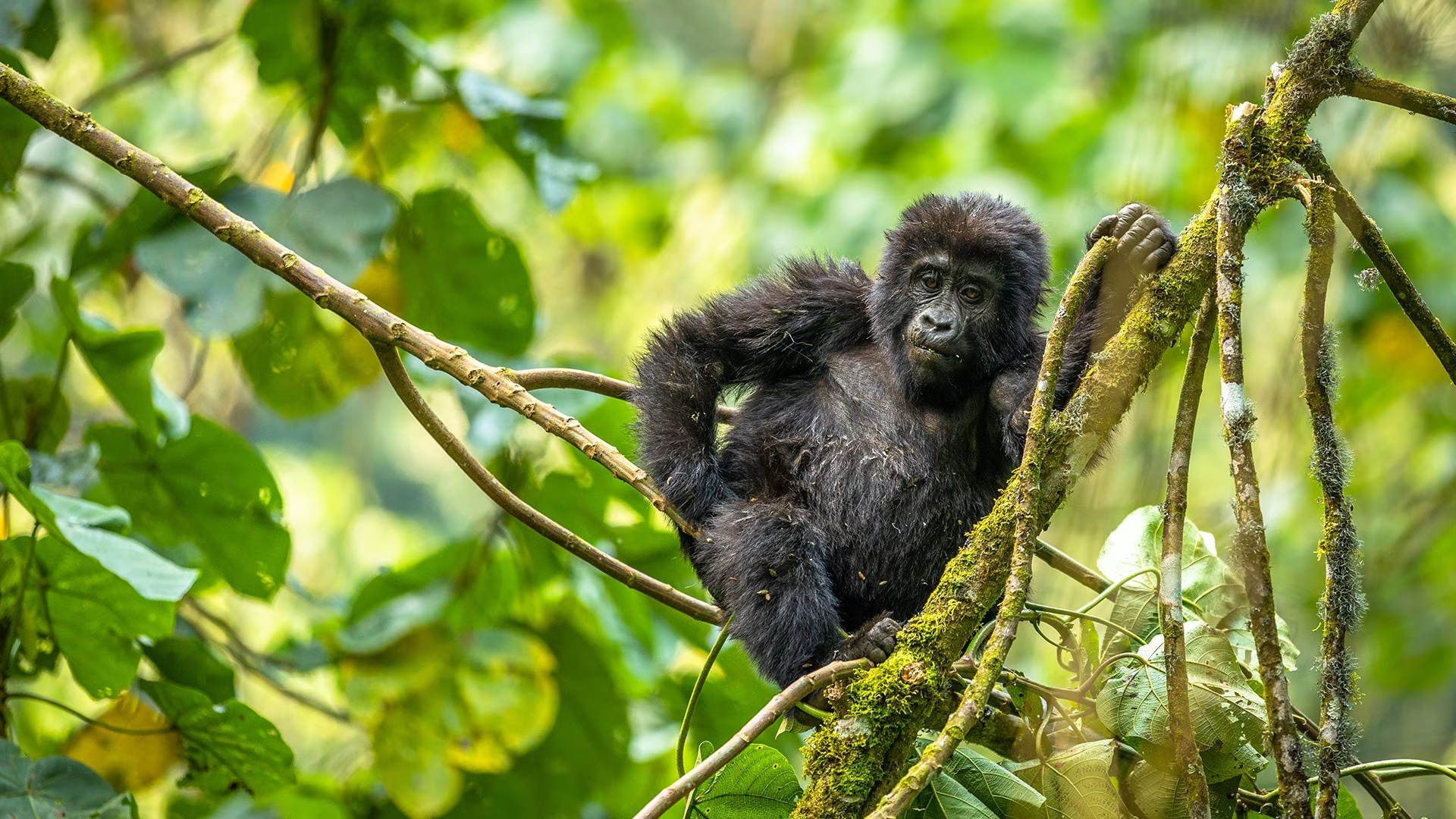
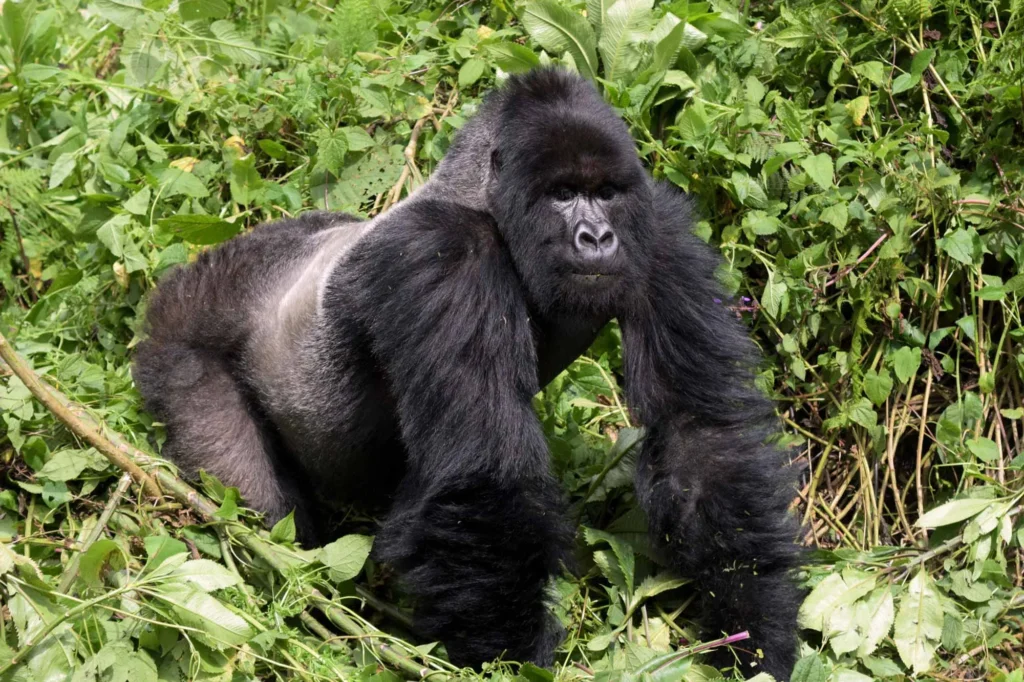
Mountain gorillas — Gorilla beringei beringei — live in two separate locations in the world. The larger population, of approximately 460 individuals, lives in and around Bwindi Impenetrable National Park in Uganda. The second population, of approximately 420 individuals, lives in the Virunga mountain range — a chain of eight volcanoes straddling the borders of Uganda, Rwanda, and the Democratic Republic of Congo — and is shared between Uganda’s Mgahinga Gorilla National Park, Rwanda’s Volcanoes National Park, and the DRC’s Virunga National Park.
The total world population of mountain gorillas is approximately 880 individuals. Every mountain gorilla on Earth lives in the wild — there are none in captivity anywhere in the world, because mountain gorillas cannot survive outside their natural forest habitat. This makes them among the most precious and most irreplaceable of all wildlife encounters, and it makes the conservation and management of gorilla trekking tourism in both Uganda and Rwanda a matter of extraordinary importance.
Both countries take this responsibility seriously. The Uganda Wildlife Authority and Rwanda Development Board both manage gorilla trekking with strict rules, limited permit numbers, and mandatory conservation fees built into the permit price. The gorilla populations in both countries have grown steadily over the past four decades as a direct result of well-managed ecotourism and associated conservation funding. Whatever country you choose to trek in, your permit fee is funding the survival of one of the world’s most endangered and most extraordinary animals.

The Permit Price: The Single Biggest Practical Difference
Let us address the most immediately obvious difference between gorilla trekking in Uganda and Rwanda, because for many travellers it is the factor that most directly shapes the decision.
A gorilla trekking permit in Uganda currently costs USD $800 per person for foreign non-residents. This is the fee set by the Uganda Wildlife Authority and it has remained stable in recent years following an increase from the previous rate of USD $600.
A gorilla trekking permit in Rwanda currently costs USD $1,500 per person for foreign non-residents. This is the fee set by the Rwanda Development Board and it represents a significant increase from Rwanda’s previous permit price, implemented as part of a deliberate strategy to position Rwanda’s gorilla trekking as a premium, low-volume, high-value experience.
The difference is USD $800 per person. For a couple trekking together, that is USD $1,400 in permit fees alone. For a family of four — with two adults trekking, as children under fifteen are not permitted to trek — it is USD $1,400. For a group of eight people, which is the maximum group size per gorilla family, the difference in permit fees alone amounts to USD $5,600.
This is not a trivial difference. It is a very large amount of money that, depending on your travel budget and financial priorities, may be the decisive factor in your choice — or may be entirely irrelevant. Both outcomes are legitimate. What matters is that you understand the difference clearly and make your choice with full awareness of it.
For budget-conscious travellers, families, groups, and anyone for whom the USD $800 per person difference represents a meaningful proportion of their total travel budget, Uganda is the clear choice on permit cost alone — before any other factor is considered.
For travellers for whom the cost difference is genuinely irrelevant — for whom USD $1,500 versus USD $800 makes no practical difference to their decision — the permit price drops out of the comparison entirely and the other factors become the decisive ones.

The Gorilla Families: Variety vs Exclusivity
Uganda has a substantially larger number of habituated gorilla families available for trekking than Rwanda, and this difference has significant practical implications for the experience.
Uganda: Nineteen Habituated Families Across Two Parks
Uganda currently has approximately nineteen habituated gorilla families available for trekking across Bwindi Impenetrable National Park and Mgahinga Gorilla National Park. Bwindi alone has four trekking sectors — Buhoma, Ruhija, Rushaga, and Nkuringo — each with multiple habituated families. This gives Uganda a theoretical maximum daily permit capacity that is considerably larger than Rwanda’s, and it means that permit availability — even for peak season dates — is generally better and more flexible in Uganda than in Rwanda.
For travellers with specific date requirements, for those booking with shorter lead times, and for larger groups that need to secure multiple permits on the same date, Uganda’s greater family diversity and permit availability is a significant practical advantages.
The variety of gorilla families also means that different trekking sectors in Uganda offer meaningfully different experiences. The gorilla families of Bwindi’s southern sectors have different characters and compositions from those of the northern Buhoma sector. The Nyakagezi family of Mgahinga lives in a dramatically different volcanic landscape from the forest-floor families of Rushaga. Repeat visitors to Uganda can trek different families in different sectors and have experiences that are genuinely distinct from one another — a variety that Rwanda’s smaller number of families cannot offer to the same degree.
Rwanda: Ten Habituated Families in One Park
Rwanda’s Volcanoes National Park currently has approximately ten habituated gorilla families available for trekking, with a maximum of eight permits per family per day, giving a total daily permit capacity of approximately eighty. This is considerably smaller than Uganda’s total capacity, and it means that Rwanda’s permits — particularly during peak season — can be more difficult to secure and require longer booking windows.
Rwanda’s smaller number of families and its single-park structure also means that the range of settings and trekking environments available is narrower than Uganda’s four-sector, two-park structure. All of Rwanda’s gorilla trekking takes place in the Volcanoes National Park, which is a beautiful and dramatic park but which offers less variety of landscape, altitude, and gorilla family character than Uganda’s multiple parks and sectors.
The Trekking Experience: What Is Actually Different on the Day?
Both Uganda and Rwanda offer the same fundamental gorilla trekking experience: a guided group trek through mountain forest to locate a habituated gorilla family, followed by a one-hour visit with the family under the supervision of trained ranger guides. The rules are essentially identical in both countries: a maximum of eight visitors per family per day, a minimum distance of seven metres from the gorillas, no flash photography, no eating or drinking in the gorillas’ presence, and a strict one-hour time limit on the visit.
Where the experiences diverge is in the character of the environments in which they take place.
The Forest: Bwindi vs the Virungas
Uganda’s Bwindi Impenetrable Forest is an ancient lowland and montane rainforest — dense, layered, complex, and profoundly atmospheric in a way that the volcanic forest of Rwanda’s Virungas is not. Bwindi has been continuously forested for over twenty-five thousand years, and the antiquity of the ecosystem communicates itself through the density and variety of the vegetation, the extraordinary biodiversity of the understory, and the quality of the light as it filters through a canopy of trees that may be several hundred years old.
Trekking in Bwindi feels immersive and enveloping in a way that is distinctive to this ancient forest. The vegetation closes around you. The sounds of the outside world disappear within the first few hundred metres. The forest becomes the whole world.
Rwanda’s Volcanoes National Park offers a different aesthetic. The gorilla forest here is montane bamboo and Hagenia woodland on the slopes of the Virunga volcanoes — beautiful and dramatic in its own right, particularly on the higher slopes where the bamboo gives way to the open, heather-draped moorland of the upper volcano zones. The volcanic landscape gives the Rwanda trek a more open, more vertically dramatic character than the enclosed forest intimacy of Bwindi.
Neither is objectively better. They are different landscapes with different qualities, and the preference for one over the other is a matter of personal aesthetic response.
Trek Duration and Difficulty
Both Uganda and Rwanda offer a range of trek durations depending on where the gorilla family has moved and which family is allocated to your group. In both countries, treks can range from under an hour to most of a day in extreme cases, though the average in both countries is typically two to four hours of walking time to reach the gorillas.
Rwanda’s treks are generally described as somewhat shorter on average than Uganda’s, particularly for the families allocated to less fit or older travellers — the Rwanda Development Board makes a specific effort to match group fitness levels with family difficulty in its allocation process, and the park’s relatively compact size means that even the most distant families are rarely more than five or six hours of walking from the trailhead.
Uganda’s Bwindi treks — particularly in the Ruhija and Nkuringo sectors — can be longer and more physically demanding than most Rwanda treks, though the Buhoma and Rushaga sectors offer more moderate options for less experienced trekkers. Uganda also offers porter hire at all sectors, which significantly reduces the physical challenge for any visitor, regardless of fitness level.
The Gorilla Habituation Experience: Uganda Only
One significant experiential difference that is available in Uganda but not in Rwanda is the Gorilla Habituation Experience — a four-hour visit with a gorilla family that is still in the process of being habituated to human presence, conducted alongside the researchers and rangers who manage the habituation process.
This experience, available in Uganda’s Rushaga sector, allows a maximum of four visitors to spend four times as long with a gorilla family as the standard trek, to observe the habituation process itself, and to gain an insight into gorilla research and conservation that the standard one-hour trek cannot provide. The permit costs USD $1,500 per person — the same price as a standard Rwanda permit —, but the four-hour duration and the research immersion it offers make it a fundamentally different and significantly more profound experience.
For travellers who want the deepest possible gorilla encounter and are willing to pay a premium for it, the Gorilla Habituation Experience in Uganda offers something that Rwanda simply does not have.
The Broader Safari Experience: Uganda’s Decisive Advantage
This is where the comparison shifts most decisively in Uganda’s favour — and where, in our honest assessment, the case for Uganda over Rwanda becomes most compelling for any traveller who wants more from their Africa trip than a single gorilla trek.
Uganda’s National Park Portfolio
Uganda offers a portfolio of national park and wildlife experiences that Rwanda cannot match in terms of variety, scale, or ecological diversity.
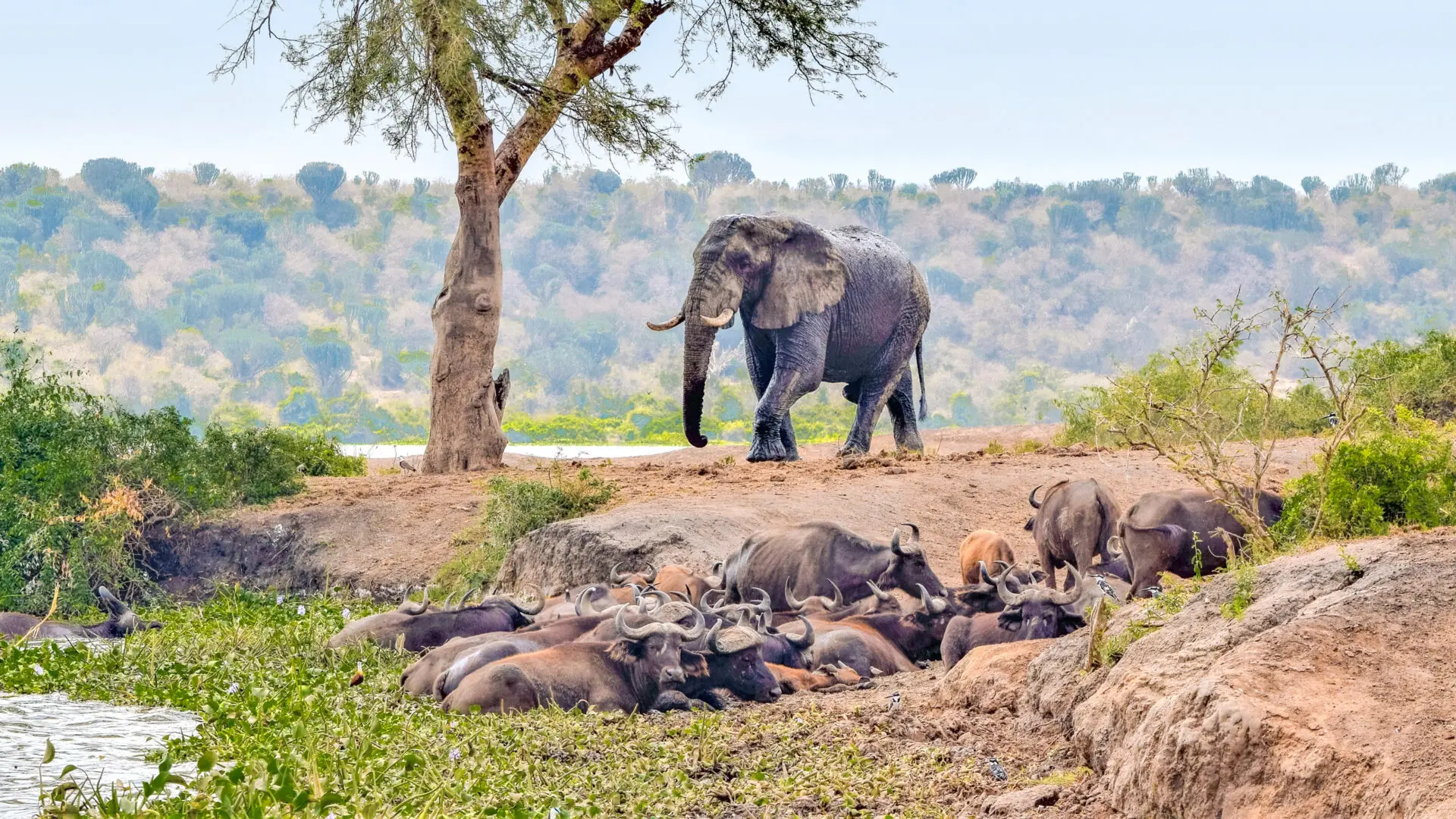
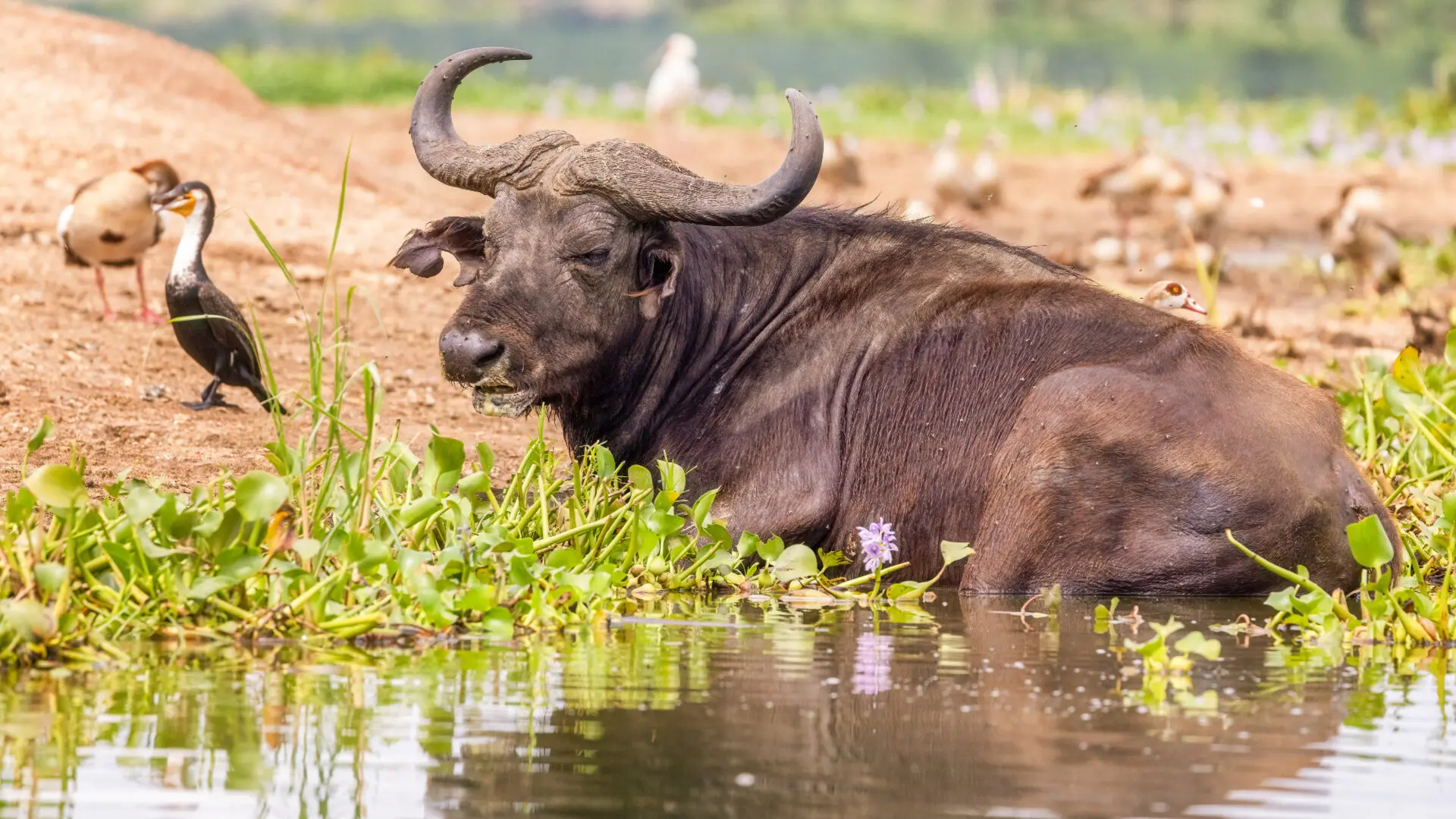
Murchison Falls National Park — Uganda’s largest and oldest national park, home to the world’s most powerful waterfall, one of East Africa’s largest elephant populations, enormous Nile hippo concentrations, Rothschild’s giraffe, lion, leopard, the legendary shoebill stork, and over 450 bird species — is an experience that has no equivalent in Rwanda. The Murchison Falls boat cruise on the Nile is one of the greatest wildlife experiences in Africa. Our Top of Murchison Falls Luncheon is the most extraordinary dining experience on the continent.
Queen Elizabeth National Park — Uganda’s most biodiverse protected area, with over 600 bird species, the tree-climbing lions of Ishasha, the Kazinga Channel hippo population, chimpanzees in Kyambura Gorge, crater lakes, and the full portfolio of Tribes bush experiences — is a destination that a week of dedicated visiting does not exhaust.
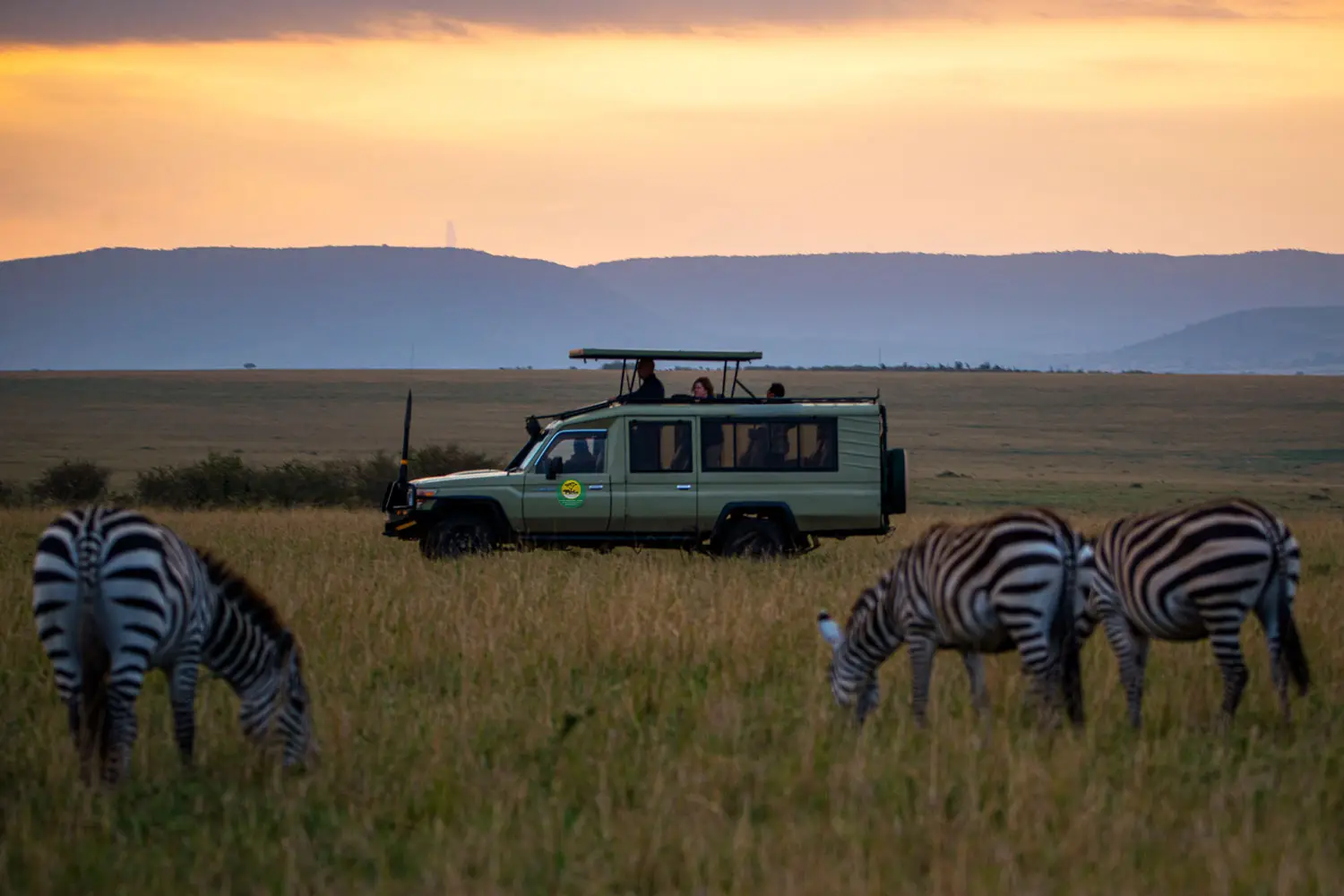
Kidepo Valley National Park — Uganda’s most remote and arguably most spectacular park, home to species found nowhere else in Uganda including cheetah, striped hyena, caracal, Burchell’s zebra, and over 475 bird species — is a wilderness experience that has no parallel anywhere in Uganda or Rwanda.
Rwanda, by contrast, is a small country — approximately the size of Wales — with a more limited national park portfolio. Volcanoes National Park is exceptional for gorilla trekking and golden monkey trekking, and Akagera National Park on the eastern border offers good savannah game viewing including the big five. But the breadth, the scale, and the sheer ecological variety of Uganda’s national park system is not something Rwanda can match.
For any traveller wanting to combine gorilla trekking with a broader East African safari experience, Uganda is comprehensively the better choice.
Chimpanzee Trekking
Uganda is, after the Democratic Republic of Congo, the country with the highest concentration of chimpanzees in Africa — approximately five thousand individuals in forests across the country, with habituated communities available for trekking in Kibale National Park, Budongo Forest, Kyambura Gorge, and several other locations.
Kibale National Park alone — a forest reserve in western Uganda that contains the highest density of primates of any forest in Africa — offers chimpanzee trekking experiences that are among the finest in the world. Combining gorilla trekking in Bwindi with chimpanzee trekking in Kibale, and adding Murchison Falls and Queen Elizabeth to the itinerary, creates a primate and wildlife experience of a completeness and depth that is simply not available within Rwanda’s borders.
Rwanda does not have habituated chimpanzees available for trekking within its national parks. For the full primate experience — gorillas and chimpanzees — Uganda is the only choice.
The Bush Experience Portfolio
The signature bush experiences of Tribes Gorilla Trekking Tours — the Top of Murchison Falls Luncheon, the bush breakfast on the savannah, the sundowner experience, the bush dinner under the stars, the bush picnic in the wilderness — are experiences that exist because Uganda’s national parks are large enough, wild enough, and varied enough to contain the extraordinary settings these experiences require.
Rwanda’s parks, while beautiful and well-managed, do not offer the scale of wilderness or the variety of dramatic natural settings that Uganda’s parks provide for these kinds of experiences. The intimacy and relative smallness of Rwanda’s tourism infrastructure is part of what makes it feel luxurious and exclusive — but it also limits the range and drama of the experiences available within it.
Practical Considerations: Logistics, Accessibility, and Infrastructure
Getting There
Both Uganda and Rwanda are served by international airports — Entebbe International Airport in Uganda and Kigali International Airport in Rwanda — with flights from major international hubs in Europe, the Middle East, and East Africa. Both airports are well-connected and the flight logistics of reaching either country from Europe, North America, Australia, or Asia are broadly similar.
Rwanda’s Kigali is a compact, modern city that is genuinely easy to navigate — distances from the airport to the city centre and to the park are shorter than in Uganda, and the road infrastructure within Rwanda is widely acknowledged to be among the best in East Africa. For travellers who value ease of movement and proximity of attractions, Rwanda’s compactness is an advantage.
Uganda’s Entebbe airport sits on the shores of Lake Victoria, approximately forty kilometres from Kampala, and the drive to Uganda’s national parks — Murchison Falls five hours north, Queen Elizabeth five hours southwest, Bwindi eight to nine hours southwest — requires either a full day of road travel or a domestic flight. Uganda is a larger country than Rwanda, and experiencing its full range of national parks requires either more time or the use of domestic flights between destinations.
For travellers with limited time — seven days or fewer — Rwanda’s compactness means that a gorilla trek can be combined with other Kigali experiences and a visit to Akagera with relatively little transit time. For travellers with ten days or more, Uganda’s greater size stops being a disadvantage and starts being an advantage — there is simply more to see and experience across a larger, more varied landscape.
Accommodation and Tourism Infrastructure
Rwanda has invested heavily in high-end tourism infrastructure over the past fifteen years, and the accommodation near Volcanoes National Park — particularly at the luxury end of the market — is among the finest available anywhere in East Africa. Several internationally acclaimed luxury properties operate in the Virunga foothills near Musanze, offering accommodation experiences that are exceptional by any global standard.
Uganda’s accommodation near its gorilla trekking parks has improved significantly in quality over the same period, and several genuinely excellent luxury lodges now operate near Bwindi in all four sectors. The luxury offering in Uganda is not as extensive or as uniformly high in quality as Rwanda’s — which has had the advantage of greater investment and a more concentrated luxury tourism market — but the gap has closed significantly in recent years and continues to close.
For budget and mid-range travellers, Uganda offers a considerably wider range of options at more accessible price points than Rwanda, where even mid-range accommodation tends toward the premium end of the spectrum compared to Uganda equivalents.
Overall Cost of the Trip
The permit price difference of USD $700 per person is the largest single cost difference between the two countries, but it does not stand alone. Rwanda has positioned itself as a premium, high-end destination across its entire tourism value chain — not just in permit prices but in accommodation costs, park fees, and the general cost of services. A Rwanda gorilla trekking experience is more expensive than an equivalent Uganda experience across almost every cost category.
For budget-conscious travellers, the cost difference between an equivalent Uganda and Rwanda gorilla trekking trip — including permits, accommodation, transport, and associated fees — can amount to several thousand dollars per person over the course of a standard itinerary. For travellers for whom budget is a genuine consideration, this total cost comparison is as important as the permit price alone.

Who Should Choose Rwanda?
In the spirit of genuine honesty that this guide has been committed to from the beginning, here are the specific traveller profiles for whom Rwanda may be the better choice. Queen Elizabeth guide
Rwanda is the right choice for the traveller who is combining a gorilla trek with a broader Rwanda experience — the genocide memorial in Kigali, the extraordinary cultural and historical sites of this small, complex country — and for whom the gorilla trek is one component of a Rwanda-focused trip rather than the centrepiece of an East Africa wildlife itinerary.
Rwanda is the right choice for the traveller with very limited time — five to seven days — who wants to do a gorilla trek as efficiently as possible with minimal transit time and maximum comfort. Rwanda’s compactness makes this possible in a way that Uganda’s geography does not.
Rwanda is the right choice for the traveller for whom permit cost is genuinely irrelevant and for whom Rwanda’s reputation as Africa’s most luxurious gorilla trekking destination is itself a draw — who wants the most exclusive, most polished, most premium version of the experience regardless of price.
And Rwanda is a genuinely excellent choice for the traveller who wants to combine gorilla trekking with a visit to the wider Virunga volcano ecosystem — hiking the volcanoes, visiting the golden monkeys — in a compact, well-managed park with exceptional infrastructure.
Who Should Choose Uganda?
Uganda is the right choice for the overwhelming majority of gorilla trekking travellers — and here is why.
Uganda is the right choice for any traveller who wants to combine gorilla trekking with a broader East African safari experience. The combination of Bwindi, Queen Elizabeth, Murchison Falls, and Kidepo creates a wildlife itinerary that Rwanda cannot begin to replicate. Murchison Falls guide
Uganda is the right choice for any traveller for whom the USD $800 per person permit saving is meaningful — individuals, couples, families, and groups who can redirect this saving into additional nights in the park, better accommodation, domestic flights, or simply a more financially comfortable trip overall.
Uganda is the right choice for any traveller who wants to trek chimpanzees as well as gorillas — the full primate experience that Uganda delivers and Rwanda does not.
Uganda is the right choice for any traveller who is drawn to the Gorilla Habituation Experience — the four-hour, four-person research trek that offers the most profound gorilla encounter available anywhere in the world.
Uganda is the right choice for any traveller who wants to experience our signature Tribes bush experiences — the Top of Murchison Falls Luncheon, the bush breakfasts, the sundowners, the bush dinners — in the extraordinary natural settings that Uganda’s large, diverse, wild national parks provide. Bwindi vs Mgahinga
Uganda is the right choice for any traveller who values authenticity, rawness, and genuine wilderness over polish, infrastructure, and premium branding.
And Uganda is the right choice for any traveller who wants to support a gorilla trekking destination that still has the character of discovery — where the parks are less crowded, where the guides are deeply passionate, where the experience of the wild feels genuinely wild rather than beautifully curated.
Our Honest Final Verdict
If you are a first-time gorilla trekker who wants the most complete, most varied, most extraordinary African experience available within a reasonable budget, Uganda is your destination without question. permit cost guide
If you have an unlimited budget, very limited time, and a specific interest in Rwanda beyond its gorilla population, Rwanda is a genuinely excellent choice that will deliver a beautiful experience.
If you have the time and the inclination to combine both countries — flying into Kigali, driving to the Virungas for your Rwanda trek, crossing the border to Uganda for Bwindi and then continuing to Queen Elizabeth and Murchison Falls — you will experience the most complete version of everything that this extraordinary corner of Africa offers. This combined itinerary is one of the finest wildlife journeys available in East Africa and one that Tribes Gorilla Trekking Tours is very well positioned to help you design around the Uganda components.
But if you are asking us — honestly, as specialists who know Uganda deeply and who want you to have the greatest possible experience — our answer is Uganda. Always Uganda. Not because we are biased toward it, though we freely acknowledge that we are. But because the combination of lower permit costs, greater gorilla family variety, richer national park portfolio, more diverse wildlife experiences, and the extraordinary bush experiences that only Tribes provides creates a total package that Rwanda, for all its genuine excellence, simply cannot match.
Uganda is more. More wildlife. More parks. More variety. More wilderness. More experience per dollar spent. More of the Africa that the world’s greatest wildlife travellers are looking for.
Come and find out for yourself.
Plan Your Uganda Gorilla Trekking Experience with Tribes
At Tribes Gorilla Trekking Tours, we design every Uganda itinerary personally — around your dates, your interests, your fitness level, your budget, and the specific combination of experiences that will make your time in Uganda the journey of a lifetime.
We secure your gorilla trekking permits, arrange your domestic flights and road transfers, book your accommodation across every park, and integrate our signature bush experiences — the luncheon at the top of Murchison Falls, the bush breakfast, the sundowners, the bush dinners — into every itinerary we design.
This is what we do. Every single day. For travellers from every corner of the world who come to Uganda looking for something extraordinary and leave with something they spend the rest of their lives talking about. Complete Gorilla Trekking Guide
Email: info@tribesgorillatrekkingtours.com
WhatsApp: +256 757 291 063
We respond personally to every inquiry, seven days a week. Contact us today and let us show you why Uganda is the greatest gorilla trekking destination on Earth.
Tribes Gorilla Trekking Tours is a fully licensed Ugandan tour operator registered with the Uganda Tourism Board and the Association of Uganda Tour Operators. We operate across Bwindi Impenetrable National Park, Mgahinga Gorilla National Park, Murchison Falls National Park, Queen Elizabeth National Park, Kidepo Valley National Park, and Lake Mburo National Park.