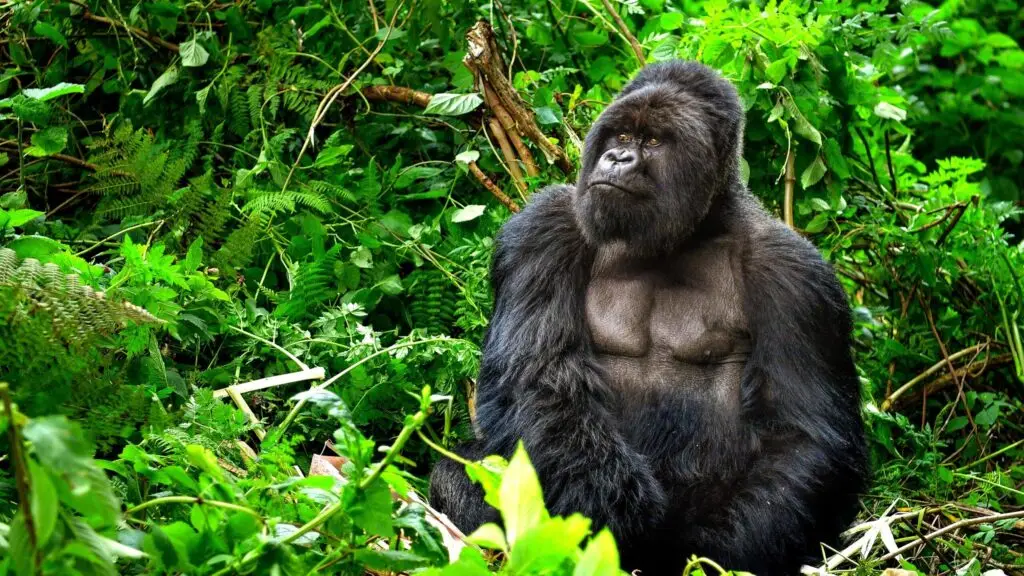
Introduction: The Call of the Silverback
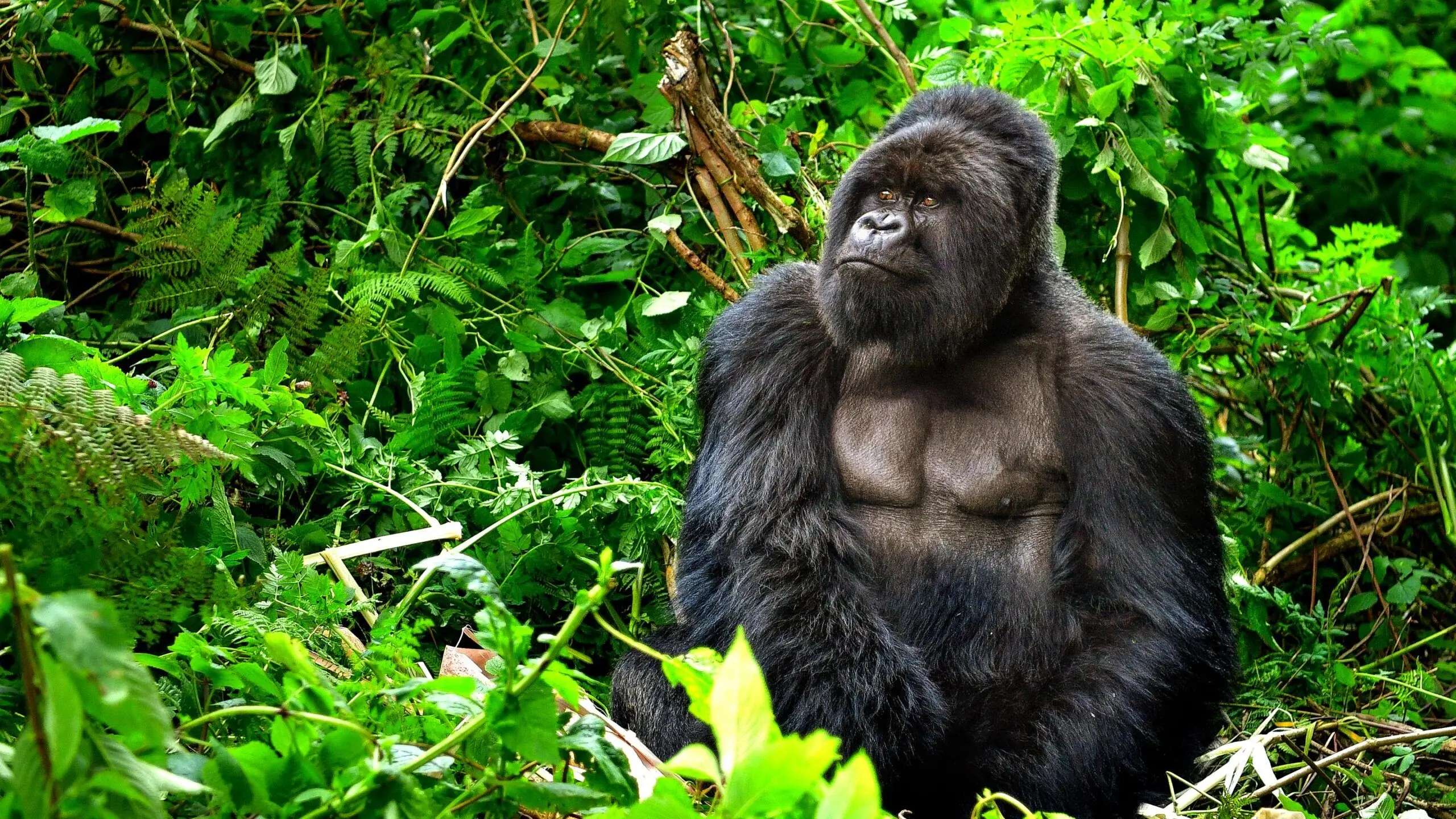
For travellers from New York, London, Berlin, Toronto, Amsterdam, Stockholm, or Ljubljana, the prospect of standing metres away from a wild mountain gorilla family is the ultimate wildlife encounter. It is a privilege restricted to the misty, volcanic slopes of East Africa, and for the discerning international client, the planning phase is often the most daunting.
With only a handful of habituated families available for visitation, strict conservation rules, and rapidly fluctuating permit prices, the difference between a good trip and a life-changing one lies in the details. This guide cuts through the noise for the global citizen, providing actionable, problem-solving intelligence to help you choose between Uganda and Rwanda, secure your permit, and convert your dream into a confirmed booking.
Uganda vs. Rwanda: The Core Decision for International Clients
The primary dilemma for any potential trekker is choosing the destination. While both countries offer the same awe-inspiring biological experience—encountering the mountain gorilla—the logistics, cost, and style of travel differ significantly.
Rwanda: The Compact Luxury Option
For travellers from Europe or the US with limited time, Rwanda is the efficient choice. Volcanoes National Park is a mere 2.5 to 3-hour drive from Kigali International Airport. This makes it ideal for a short, high-impact add-on to a larger African itinerary or a standalone weekend trip. However, this convenience comes at a premium. A non-resident gorilla permit in Rwanda costs $1,500 USD. The country positions itself as a high-end destination, with a concentration of ultra-luxury lodges and exclusive villas.
Uganda: The Authentic, Value-Driven Adventure
Uganda offers the classic, rugged safari experience. The journey to Bwindi Impenetrable National Park involves a scenic drive (or a short internal flight) to the southwest. The reward for this extra effort is a significantly lower permit cost of $800 USD. Uganda is widely considered the best-value destination for gorilla trekking because it allows for longer, more diverse itineraries. It is the only place where you can combine gorilla trekking with chimpanzee tracking in Kibale, classic savannah game drives in Queen Elizabeth National Park, and boat safaris on the Nile.
The Verdict:
- Choose Rwanda if you have limited time (less than a week), prioritize ultra-luxury accommodation, and want the shortest possible transfer from the airport.
- Choose Uganda if you want a more comprehensive African safari, are traveling on a mid-range budget, and want to combine gorillas with other primates and traditional big-game viewing.
The Permit Puzzle: Securing Your Seat in the Forest
The most critical problem-solving element for your booking is the permit. These are not sold at the gate; they are limited by conservation quotas.
How Permits Work:
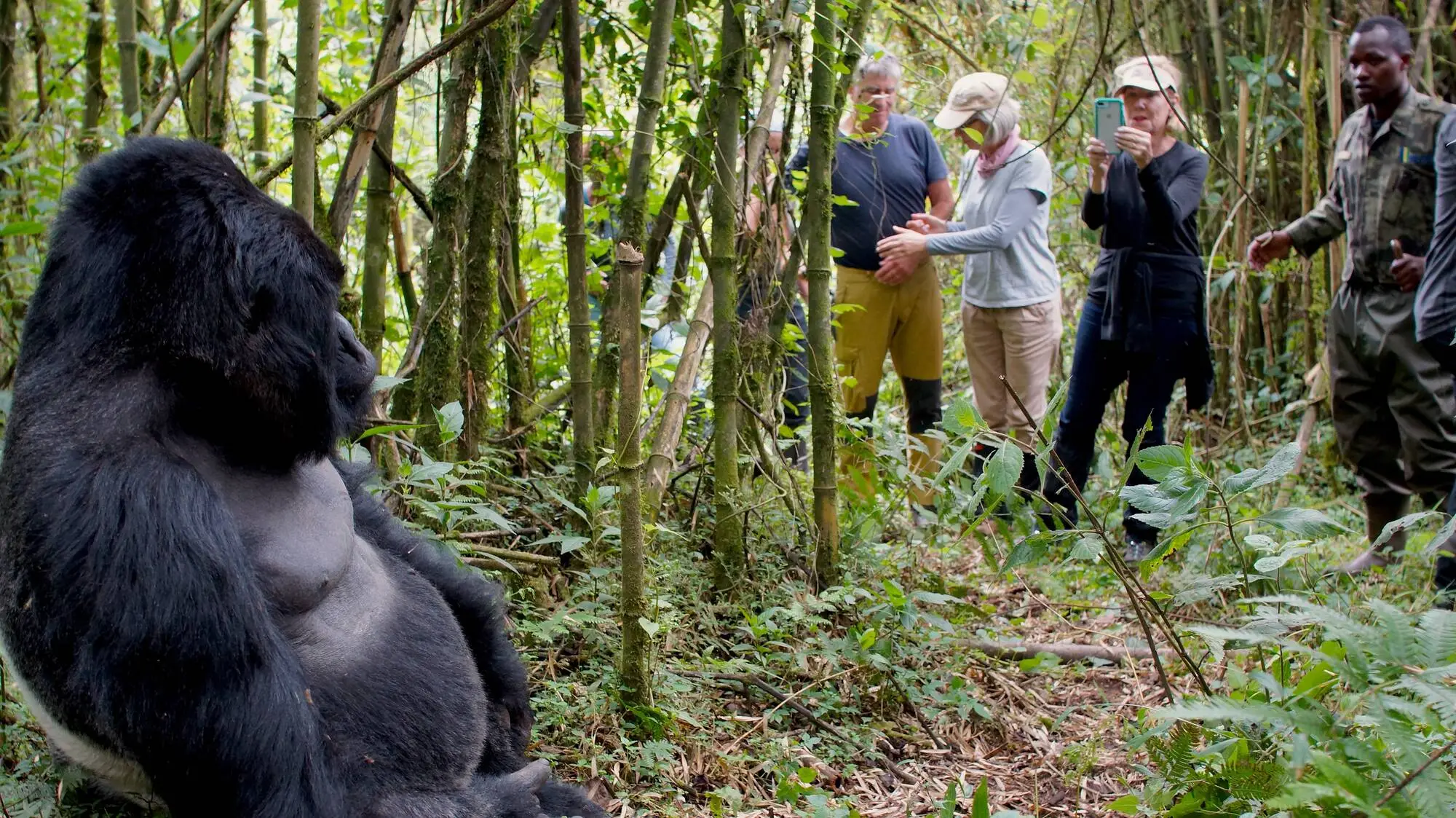
A permit guarantees you one hour with a specific habituated gorilla family. In Uganda, only 8 people per group are allowed per day, and there are a limited number of groups. The Uganda Wildlife Authority (UWA) controls these strictly. In Rwanda, the Rwanda Development Board (RDB) manages the system.
The Booking Strategy:
For peak travel times (June to September and December to February), permits can sell out 6 to 12 months in advance. For clients from Germany, the Netherlands, or Sweden who plan meticulously, this is a critical step. You cannot simply arrive and expect to trek. To secure your spot, you must either:
- Buy directly from the wildlife authority (which can be difficult with international payment systems).
- Book through a licensed, reputable tour operator. This is the recommended path for international clients. A legitimate operator will secure your permit, provide the receipt, and match the permit date to your actual travel itinerary to ensure you are not stranded at the wrong park sector.
When to Travel: Weather, Crowds, and Photography
Your experience on the mountain is heavily influenced by the season. For clients from Northern Europe or Canada, the equatorial sun can be intense, but the mountains are cool.
The Dry Seasons (The Ideal Window):
- June to September & December to February: These are the primary dry seasons. Trails are firmer, reducing the risk of slipping on the steep, muddy slopes of Bwindi or Volcanoes National Park. The photography is excellent, and the hiking is generally easier. This is also peak season, so lodges and permits are in high demand.
The Green Seasons (The Value & Photography Window):
- March to May & October to November: These are the wetter months. April and May are typically the wettest. While the trails are muddier and more challenging, the forest is lush, the air is crystal clear for photography, and there are fewer tourists. For the budget-conscious traveler or the serious photographer who doesn’t mind a bit of rain, this is a hidden gem period. Gorillas tend to stay at lower elevations during the wet season, which can sometimes mean shorter hikes.
What to Pack: A Practical Checklist for the International Traveller
Packing correctly is a major problem-solving factor. You do not need technical climbing gear, but you do need practicality.
- Footwear: Worn-in hiking boots with ankle support and a strong grip are non-negotiable. The terrain is often muddy, steep, and covered in dense vegetation.
- Clothing: Long trousers (to protect against stinging nettles and insects) and a long-sleeved top. Avoid bright colors like white or red, and avoid blue entirely, as it can attract tsetse flies or be perceived as a threat by the gorillas. Subdued colors like khaki, olive, and brown are best.
- Layers: The mornings are cold (especially at altitude), but the hike will make you sweat. A breathable base layer, a fleece, and a waterproof outer shell are ideal.
- Accessories: Gardening gloves are highly recommended for gripping vegetation on steep sections. A wide-brimmed hat, sunscreen, and insect repellent are essential.
- Hiring a Porter: This is a crucial tip for your booking. At the trailhead, you can hire a local porter for approximately $15-$20 USD. They will carry your bag, help you navigate difficult sections, and support the local community. This is especially useful for older travelers or those worried about the physical challenge.
Fitness and Health: What You Need to Know
You do not need to be a marathon runner, but a reasonable level of fitness is required. Treks can last anywhere from 30 minutes to 6 hours depending on where the gorillas are.
The Health Protocol:
- Age Limit: You must be at least 15 years old to trek in both Uganda and Rwanda.
- Illness: If you have a cold or flu, you may be refused entry to the park to protect the gorillas, who share 98% of our DNA and are vulnerable to human diseases.
- Distance: You must maintain a distance of at least 7 meters from the gorillas at all times.
Conclusion: Turning Your Dream into a Booking
The global traveller has many options, but few experiences rival the profound connection of looking into the eyes of a wild mountain gorilla. Whether you choose the luxurious efficiency of Rwanda or the adventurous, value-rich landscapes of Uganda, the key to success is early planning and expert guidance.
Do not leave this to chance. The permit system is unforgiving, and the logistics in East Africa require local expertise. By selecting a licensed operator who specializes in international clients, you secure your permit, ensure your itinerary matches the park sectors, and gain the peace of mind to simply enjoy the mist, the silence, and the magic of the forest.
Ready to secure your permit? Contact our safari specialists today to check availability for your preferred dates and receive a tailored itinerary combining gorilla trekking with the best of East Africa.