Introduction: The Complexity of Simplicity
You have decided to see the gorillas. You have seen the documentaries and read the articles. But for the discerning client flying from Los Angeles, Manchester, Frankfurt, or Vancouver, the gap between “wanting to go” and “actually being there” is filled with logistical hurdles.
How do you combine a gorilla trek with a Serengeti safari? What happens if you miss a connection? Which lodges actually offer the luxury standard you expect? This guide is designed for the international traveler who values their time and expects a seamless, problem-free experience. We will explore how to elevate your gorilla trekking tour from a simple excursion into a comprehensive, luxury African safari.
The Art of the Combination: Pairing Gorillas with Iconic Safari Destinations
A common mistake made by first-time travelers is treating the gorilla trek as an isolated event. For the international client, the cost and time of flying to Africa justify a broader itinerary.
The Classic Primate & Savannah Combo (Uganda):
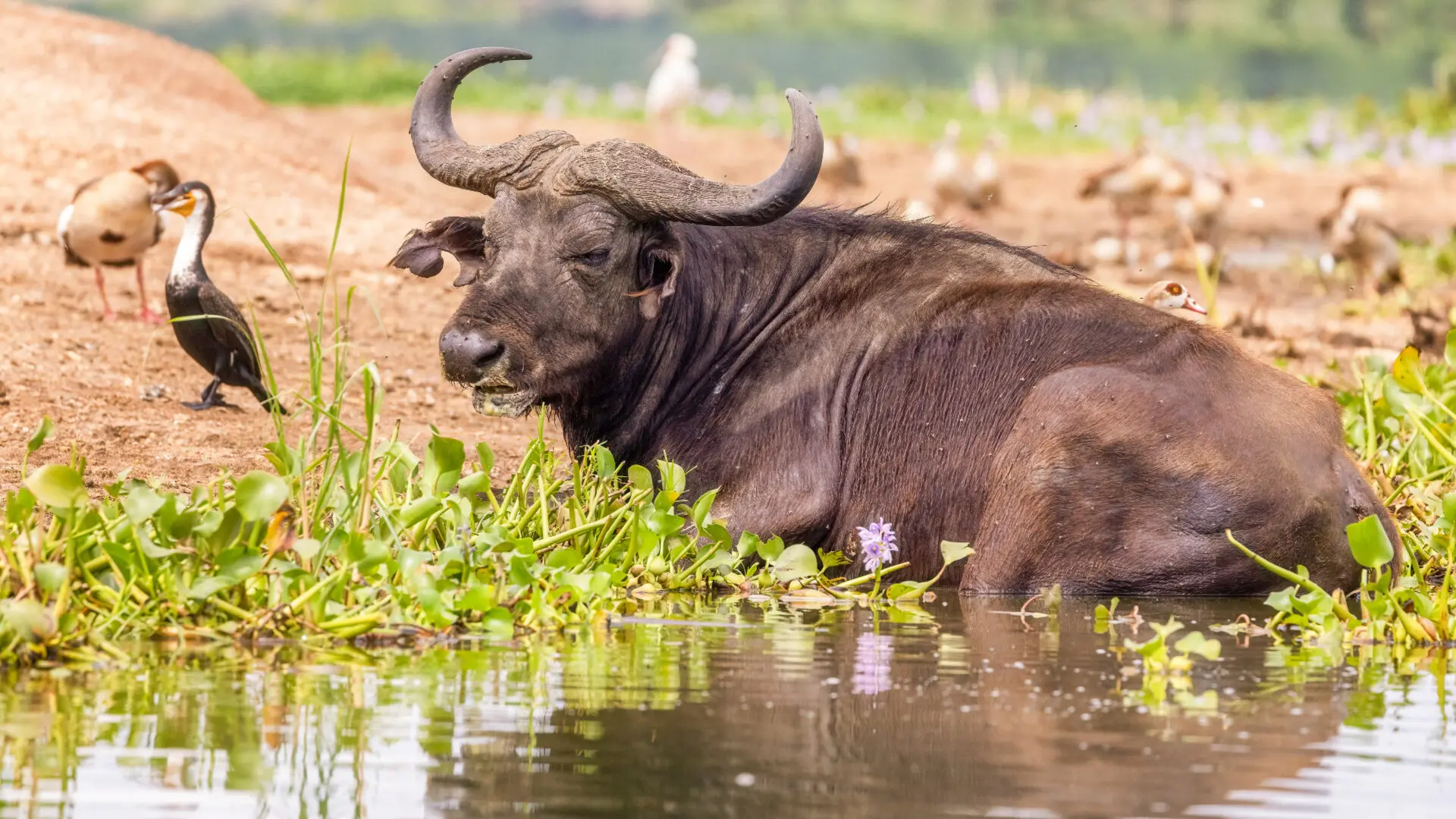
Uganda is uniquely positioned for this. After your gorilla trek in Bwindi, you can transfer to Queen Elizabeth National Park for a classic savannah safari, including a boat cruise on the Kazinga Channel where you will see hippos, elephants, and buffalo. For the primate enthusiast, a stop in Kibale National Park for chimpanzee tracking is essential. This creates a “Primate Trilogy” that is hard to match anywhere else on earth.
The Luxury Fly-In Safari (Rwanda & Tanzania/Kenya):
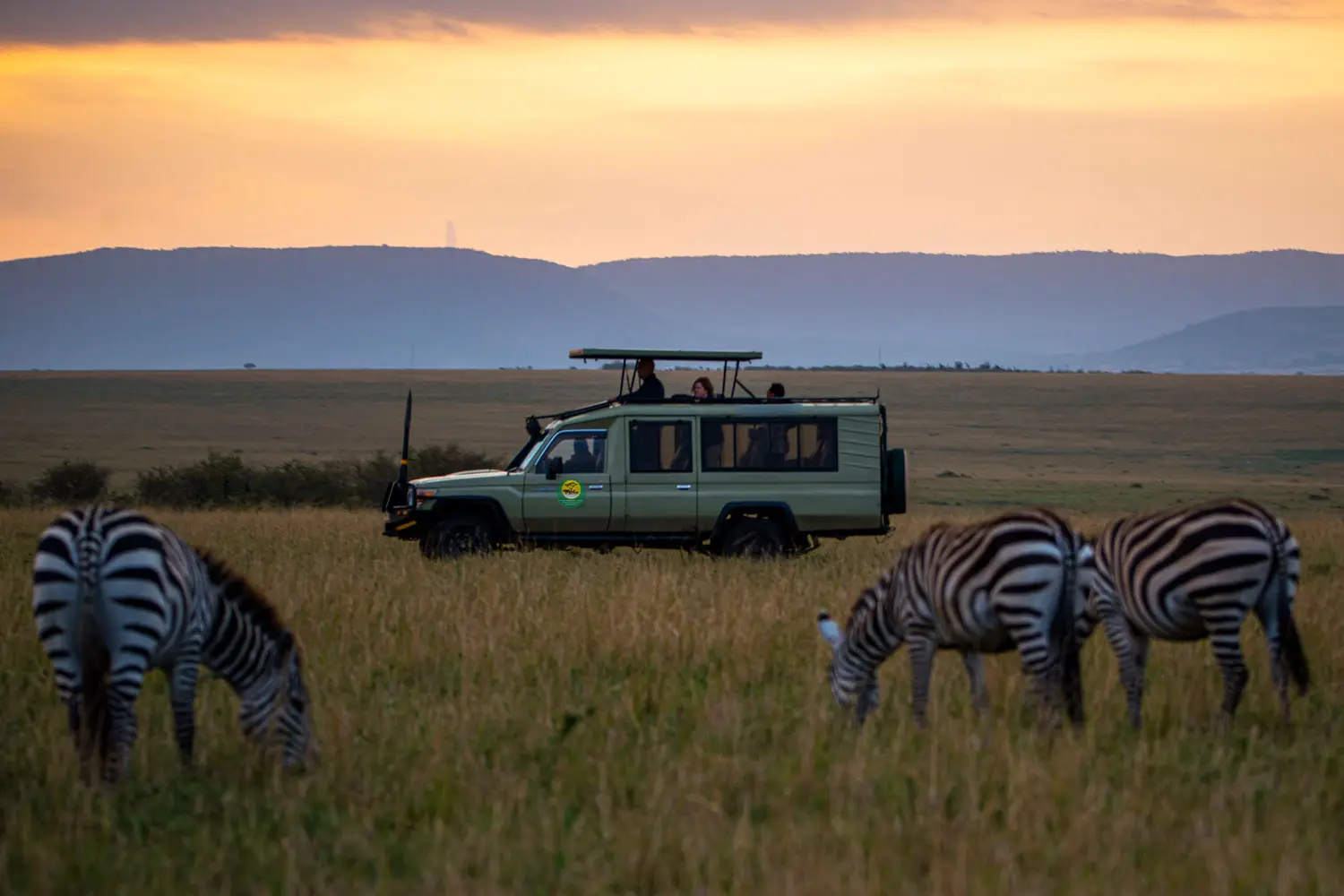
Rwanda’s efficient infrastructure allows for seamless connections. After your trek in Volcanoes National Park, you can take a short flight to the Serengeti in Tanzania or the Masai Mara in Kenya to witness the Great Migration or enjoy a luxury big-five safari. This combination is perfect for clients from the US or UK who want a “greatest hits” African itinerary in two weeks.
The Add-On: Lake Kivu and Culture:
For those with an extra day, the shores of Lake Kivu in Rwanda or the cultural experiences around Bwindi in Uganda offer a chance to decompress after the physical exertion of the trek. You can visit local communities, coffee plantations, or simply relax by the water.
Choosing Your Base: Luxury, Mid-Range, or Authentic?
Accommodation in the gorilla regions ranges from basic camps to ultra-luxury lodges. The choice depends on your budget and your definition of comfort.
Luxury Lodges (The Rwanda Standard):
If you are traveling from Europe or North America and expect a high level of service, Rwanda is the safer bet. Lodges near Volcanoes National Park often feature private butlers, spa services, and gourmet dining, with prices reflecting this premium. This is ideal for honeymooners or clients celebrating a special occasion.
Mid-Range and Boutique (The Uganda Value):
Uganda offers a fantastic range of mid-range lodges that provide excellent comfort, hot water, and stunning views of the forest without the $1,000+ per night price tag. Many of these lodges are located right on the edge of Bwindi, allowing you to wake up to the sounds of the forest. For clients from Germany or Scandinavia who value eco-consciousness and authenticity, these lodges often have strong community and conservation ties.
The “Sector” Strategy:
A crucial problem-solving tip for booking: In Uganda, Bwindi is divided into four sectors (Buhoma, Ruhija, Rushaga, and Nkuringo). Your permit is sector-specific. You must ensure your lodge is in the same sector as your permit. A common mistake is booking a lodge in Buhoma when the permit is for Rushaga, resulting in a 4-hour drive on the morning of your trek. A professional operator will handle this alignment for you.
The Logistics of Travel: Visas, Flights, and Transfers
For international clients, the administrative side of travel can be a source of stress.
- Visas: Most US, UK, and EU citizens require a visa for Uganda and Rwanda. Uganda offers an East Africa Tourist Visa (valid for Kenya, Rwanda, and Uganda), which is highly recommended for multi-country itineraries. Rwanda offers visa-on-arrival for many nationalities, but it is always best to check the latest requirements with your operator.
- Flights: The main entry points are Entebbe (EBB) for Uganda and Kigali (KGL) for Rwanda. For those combining both, there are short regional flights connecting the two capitals, or you can cross the land border (which requires a specific visa arrangement). For Ugandan treks, taking a domestic flight from Entebbe to Kihihi or Kisoro saves two days of driving, allowing you to maximize your time in the forest.
- Transfers: Do not underestimate the driving times. The roads in rural Uganda are functional but slow. A professional operator will provide a 4×4 Land Cruiser with a knowledgeable driver-guide who can handle the terrain and the border crossings if necessary.
Ethical Considerations: Being a Responsible Traveler
For the modern client from Canada, the Netherlands, or Sweden, sustainability and ethics are not buzzwords; they are prerequisites.
- The Permit System: Your permit fee is not just an entry ticket; it is a conservation tool. The revenue from gorilla permits funds anti-poaching patrols, veterinary care, and community development projects. By trekking, you are directly contributing to the survival of the species.
- Community Support: Hiring porters at the trailhead is the most direct way to support the local economy. Additionally, choosing lodges that employ local staff and source food locally ensures your tourism dollars stay in the region.
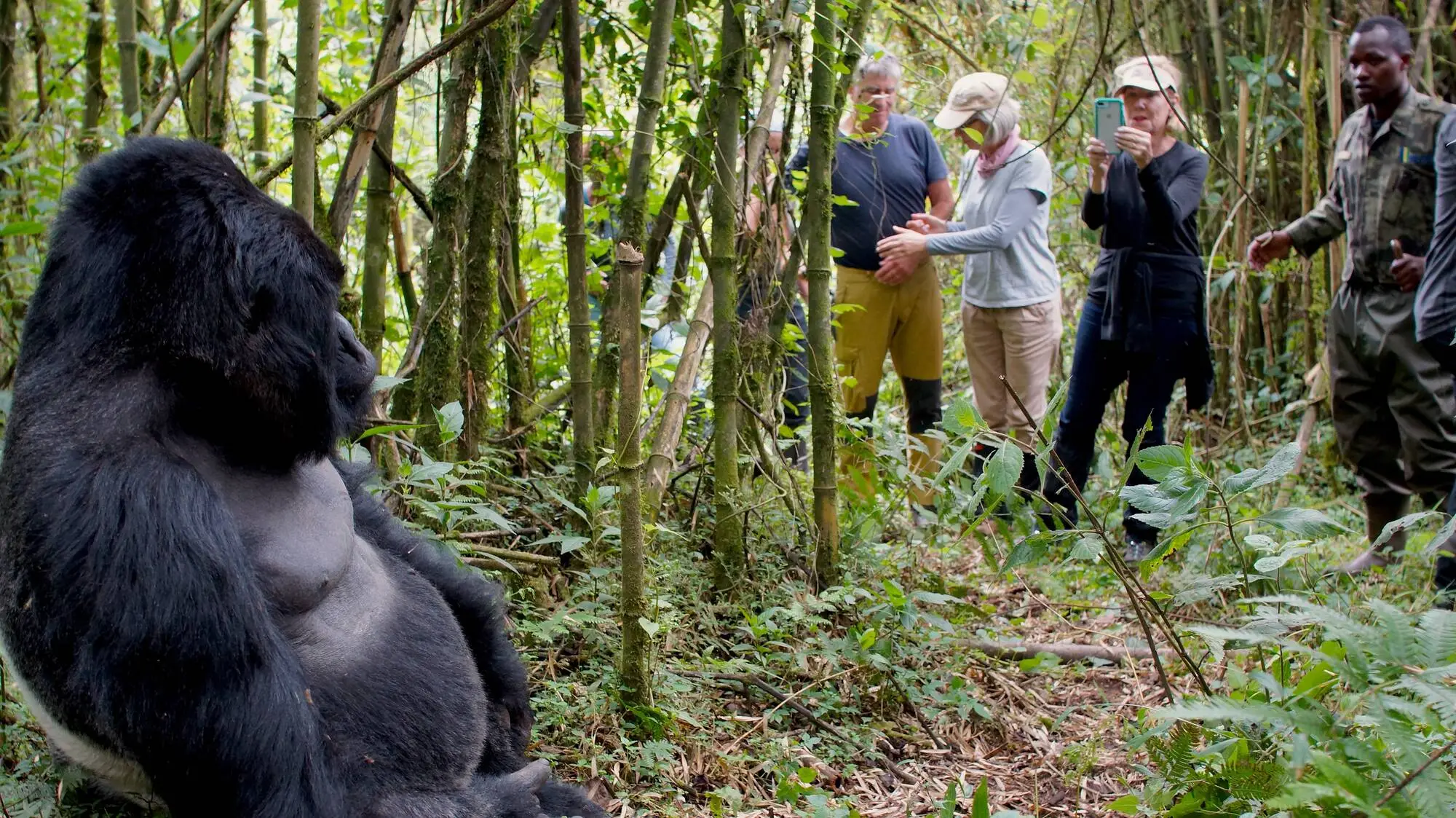
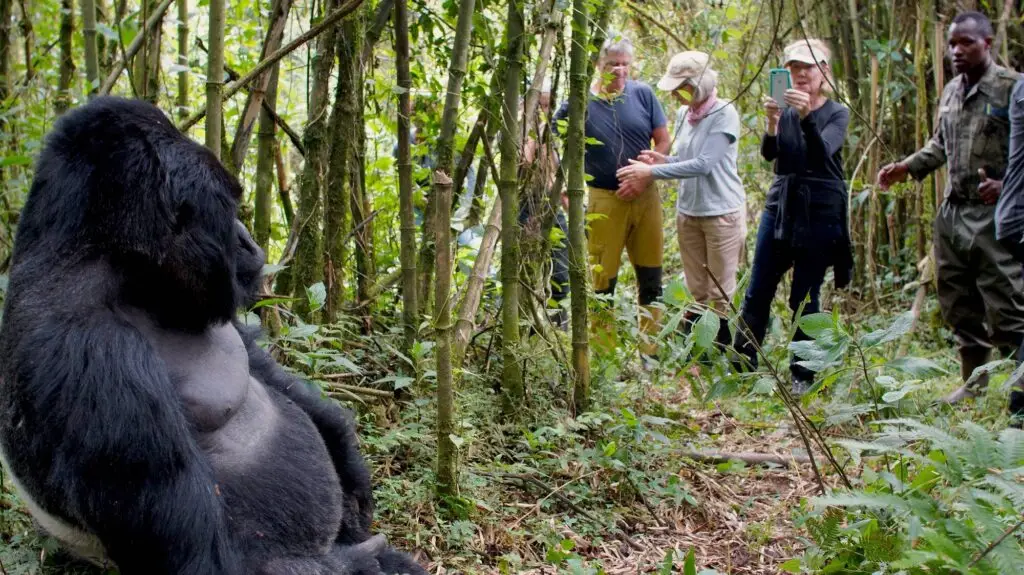
- The “One Hour” Rule: Respect the wildlife. You have one hour with the gorillas. This is strictly enforced for their protection. Your guide will manage the distance. Do not use flash photography, and keep your voice low.
What to Do If Things Go Wrong: Contingency Planning
Even the best-planned trips can face hiccups. A flight delay from Europe could cause you to miss your permit date. This is where the cancellation policy and operator reliability become paramount.
- Check the Terms: Ask your operator what happens if your flight is delayed and you miss your trek. Can the permit be moved? (Usually, it cannot be moved to another day easily, but the operator may have a contingency plan or insurance.
- Travel Insurance: Ensure your travel insurance covers trip interruption and cancellation. Standard policies may not cover specific wildlife activities, so read the fine print.
- Arrive Early: Always plan to arrive in the country at least one full day before your trek. If you are trekking in Uganda on a Friday, arrive in Entebbe on Wednesday. This buffer allows for lost luggage or flight delays. If you are trekking in Rwanda, arriving in Kigali two days before your trek is a safe standard.
Conclusion: Your African Journey Awaits
A gorilla trekking safari is a significant investment of time and money. For the international traveler, the goal is to eliminate uncertainty and maximize the magic. By understanding the permit system, aligning your lodge with your permit sector, and choosing an operator who understands the needs of US, UK, and European travelers, you transform a logistical challenge into a seamless adventure.
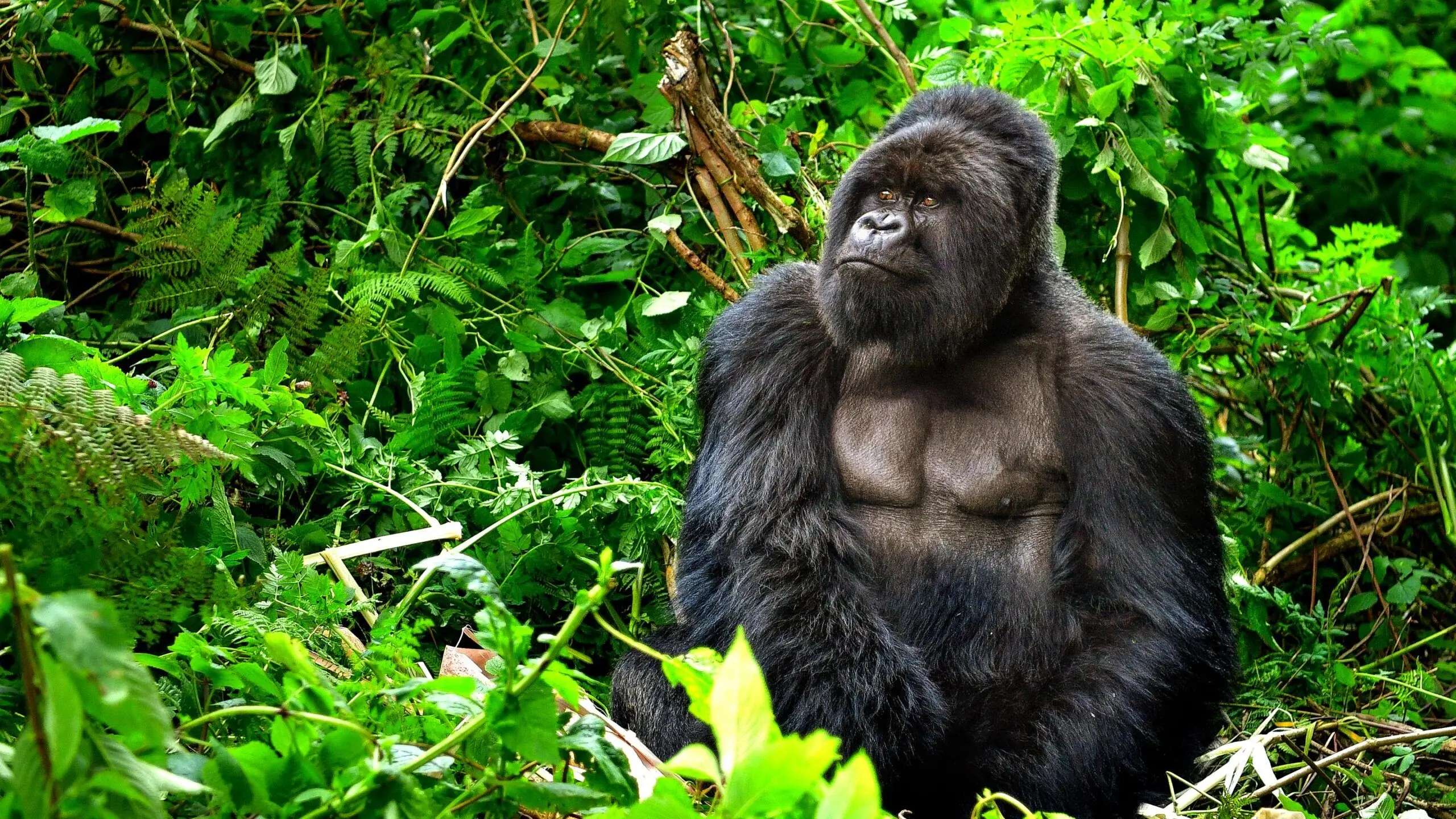
Whether you are watching a silverback in the bamboo forests of Rwanda or tracking chimpanzees in the rainforests of Uganda, the experience will stay with you forever.
Let us handle the logistics. Our team specializes in creating bespoke, problem-free safaris for international clients. From securing your permits to selecting the perfect lodge, we ensure your only job is to enjoy the moment.
Contact us today to start planning your ethical, expert-led gorilla safari.